
As an Amazon Associate I earn from qualifying purchases and sometimes recommend products from other sellers at no extra cost you. For more details see my disclosure policy and privacy policy.
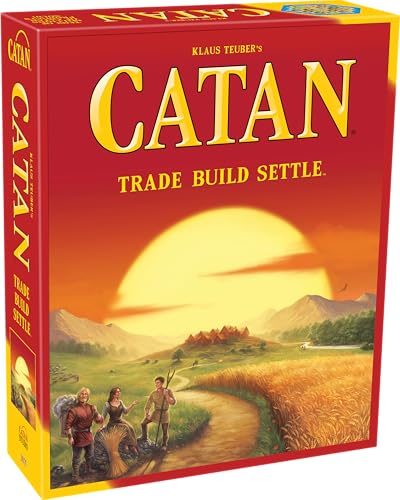
Catan, originally known as The Settlers of Catan, is a beloved strategy board game that has captivated players worldwide since its release in 1995. Designed by Klaus Teuber, this game combines elements of resource management, negotiation, and luck to create an engaging and ever-changing experience.
Whether you’re new to the game or looking to deepen your understanding, here are ten essential things you need to know about Catan.
How to Play Catan
Before we dive into the specifics, let’s briefly cover how to play Catan:
- Players take turns rolling dice to determine which hexes produce resources.
- Resources (wood, brick, sheep, wheat, and ore) are collected based on the placement of settlements and cities.
- Players use these resources to build roads, settlements, and cities, as well as to buy development cards.
- Trading between players is encouraged and often necessary to acquire needed resources.
- The first player to reach 10 victory points wins the game.
Now, let’s explore the ten key aspects of Catan in more detail.
1. Game Overview
Catan is a strategy board game where players compete to be the dominant force on the island of Catan. The game’s objective is to be the first player to reach 10 victory points. These points are earned through various means, such as building settlements and cities, constructing the longest road, assembling the largest army, or acquiring victory point cards.
What sets Catan apart is its perfect blend of strategy, negotiation, and chance. Players must make decisions about where to build, how to manage their resources, and when to trade with others. The element of chance introduced by dice rolls adds excitement and unpredictability to each game.

2. Player Count and Duration
Catan is designed for 3 to 4 players, making it an ideal game for small gatherings or family game nights. However, with expansions, it’s possible to accommodate up to 6 players, allowing for larger groups to enjoy the game together.
A typical game of Catan lasts between 45 to 90 minutes. The duration can vary based on several factors:
- Player experience: Newcomers might take longer to make decisions, extending game time.
- Game dynamics: If players engage in frequent trading or negotiations, it can lengthen the game.
- Strategy complexity: More aggressive or complex strategies might lead to longer games.
The relatively short play time, combined with its depth of strategy, makes Catan an excellent choice for both casual and serious gaming sessions.
3. Resource Management
At the heart of Catan lies resource management. The five resources in the game are:
- Wood (forests)
- Brick (hills)
- Sheep (pastures)
- Wheat (fields)
- Ore (mountains)
Players collect these resources based on the numbers rolled on the dice and the position of their settlements and cities on the board. Each resource has specific uses:
- Wood and brick are used for building roads and settlements.
- Wheat and ore are used for building cities and buying development cards.
- Sheep are used for settlements and development cards.
Effective resource management is crucial to success in Catan. Players must balance their resource collection, decide when to use resources for building, and when to save them for future turns or potential trades.
4. Modular Board
One of Catan’s most innovative features is its modular board. The game board consists of 19 hexagonal terrain tiles that can be arranged in various configurations. This design ensures that every game of Catan is unique, significantly enhancing its replayability.
The standard setup includes:
- 4 forest tiles
- 4 pasture tiles
- 4 fields tiles
- 3 hill tiles
- 3 mountain tiles
- 1 desert tile
These tiles are arranged randomly at the start of each game, surrounded by water tiles that form the coast of the island. The modular board not only keeps the game fresh but also adds a strategic element as players must adapt their strategies to the unique layout of each game.

5. The Robber Mechanic
The robber is a unique element in Catan that adds an extra layer of strategy and player interaction. Here’s how it works:
- When a player rolls a 7 (the most common roll with two dice), they activate the robber.
- The player who rolled the 7 must move the robber to a new hex on the board.
- This hex will not produce resources until the robber is moved again.
- The player who moved the robber can then steal one random resource card from any player with a settlement or city adjacent to the robber’s new location.
Additionally, when a 7 is rolled, any player holding more than seven resource cards must discard half of them (rounded down).
The robber mechanic serves several purposes:
- It adds an element of risk management to resource hoarding.
- It provides a way for players to hinder their opponents’ resource production.
- It introduces a direct player interaction mechanism beyond trading.
Strategic use of the robber can significantly impact the game’s outcome, making it a powerful tool in a player’s arsenal.
6. Development Cards
Development cards add an element of surprise and additional strategic options to Catan. These cards are purchased using resources (specifically, one wheat, one sheep, and one ore) and come in several varieties:
- Knight Cards: Allow you to move the robber and steal a resource. They also contribute to the “Largest Army” bonus.
- Progress Cards:
- Road Building: Build two roads for free.
- Year of Plenty: Take any two resources from the bank.
- Monopoly: Name a resource; all other players must give you all of that resource type they have.
- Victory Point Cards: Worth one victory point each, but kept secret until revealed for the win.
Development cards can be game-changers when used effectively. They provide ways to gain advantages, hinder opponents, or even secure a surprise victory. However, players can only play one development card per turn (except for victory point cards, which are revealed only when they give you the win), adding a strategic element to when and how these cards are used.
7. Winning the Game
The primary goal in Catan is to be the first player to reach 10 victory points. There are several ways to earn these points:
- Settlements: Each settlement is worth 1 victory point.
- Cities: Each city is worth 2 victory points.
- Longest Road: The player with the longest continuous road of at least 5 segments earns 2 victory points.
- Largest Army: The first player to play three Knight cards gets 2 victory points.
- Victory Point Cards: These special development cards are worth 1 point each.
The key to winning Catan often lies in diversifying your strategy. While it’s possible to win solely through building settlements and cities, combining different approaches – such as aiming for the longest road while also developing your settlements – can lead to a more robust and adaptable gameplay.
Remember, victory point cards are kept secret until they can be revealed for the win, which can lead to surprising and exciting game conclusions.

8. Expansions and Variants
One of the reasons for Catan’s enduring popularity is the wealth of expansions and variants available. These add new mechanics, themes, and challenges to the base game, keeping it fresh for even the most experienced players. Some popular expansions include:
- Seafarers: Introduces sea travel and island exploration.
- Cities & Knights: Adds city improvements and barbarian invasions.
- Traders & Barbarians: Offers several mini-expansions and variants.
- Explorers & Pirates: Combines elements from other expansions with new exploration mechanics.
There are also numerous themed versions of Catan, such as:
- Star Trek Catan
- Game of Thrones Catan
- Catan: Histories (various historical settings)
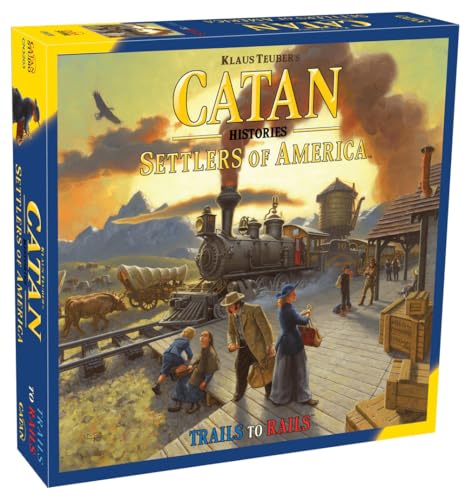
These expansions and variants not only add new elements to the game but also cater to different player preferences, whether that’s more complex strategy, direct conflict, or themed gameplay.
Read more about the different Catan expansions in this post and enhance the base game every more!
9. Trading
Trading is a cornerstone of Catan gameplay and often the key to victory. Players can trade resources with each other or with the bank:
- Player-to-player trading: On their turn, a player can propose trades with other players. This can involve exchanging different types of resources or multiple resources for one.
- Maritime trade: Players can trade with the bank at a 4:1 ratio, or at improved ratios if they have settlements or cities on harbor hexes.
Effective trading requires a mix of negotiation skills, timing, and strategic thinking. Good traders in Catan can:
- Acquire needed resources quickly
- Prevent opponents from getting crucial resources
- Create mutually beneficial deals to advance their position
Remember, while trading is encouraged, players are not obligated to trade. Sometimes, refusing a trade can be as strategic as accepting one.
10. Learning Curve
While the basic rules of Catan can be learned in about 10-20 minutes, mastering the game’s nuances and strategies can take much longer. Here are some aspects of the learning curve:
- Basic Rules: These are straightforward and can be grasped quickly.
- Resource Management: Understanding the value and timing of resource collection takes practice.
- Board Analysis: Learning to evaluate the potential of different board setups comes with experience.
- Trading Skills: Developing effective negotiation and trading strategies is an ongoing process.
- Long-term Planning: Balancing immediate needs with long-term strategy is a skill that develops over many games.
For new players, it’s often helpful to:
- Start with the basic game before adding expansions
- Play with experienced players who can offer tips and strategies
- Consult online resources, tutorials, or strategy guides
Remember, part of the joy of Catan is in learning and improving your play over time. Each game offers new lessons and opportunities to refine your strategy.
Looking for alternatives to Catan? Check out this post on 10 of the best Catan alternatives to get some ideas.
Conclusion
Catan’s blend of strategy, negotiation, and chance has made it a staple in the board gaming world for over two decades. Whether you’re gathering resources, trading with opponents, or racing to build the longest road, each game offers a unique and engaging experience. By understanding these ten key aspects of the game, you’ll be well-equipped to enjoy the rich, strategic world of Catan. So gather your fellow settlers, set up the board, and embark on your quest to settle the island of Catan!