
As an Amazon Associate I earn from qualifying purchases and sometimes recommend products from other sellers at no extra cost you. For more details see my disclosure policy and privacy policy.
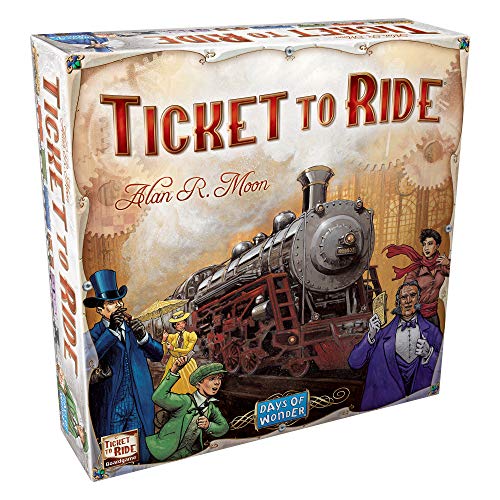
Ticket to Ride has become a modern board game classic, captivating players worldwide with its perfect blend of accessibility and strategy. Whether you’re new to the game or considering adding it to your collection, here are ten essential things you should know about this award-winning board game.
1. Game Overview
At its heart, Ticket to Ride is a railway-themed strategy board game that captures the golden age of train travel. Players compete to build rail networks across various maps, with the original version featuring North America. The game masterfully balances luck and strategy, making each session an engaging experience that keeps players coming back for more.
The game’s 30-60 minute playtime hits the sweet spot for both casual gaming sessions and more serious game nights. With support for 2-5 players, it’s versatile enough to work as an intimate two-player experience or a lively group activity, making it a staple in many gaming collections.
2. Simple Rules
One of Ticket to Ride’s greatest strengths lies in its elegant simplicity. The basic mechanics are so straightforward that most players can grasp them within minutes: draw cards, collect sets, or claim routes. This accessibility is a masterclass in game design, following the age-old principle of “easy to learn, difficult to master.”

The turn structure is refreshingly streamlined – players choose one action from three options on their turn: draw train cards, claim a route by playing cards and placing trains, or draw new destination tickets. This simplicity creates a smooth gameplay flow that keeps everyone engaged and minimizes downtime between turns.
3. Setup Requirements
Getting started with Ticket to Ride is remarkably hassle-free, making it an excellent choice for both impromptu gaming sessions and planned events. The setup process is straightforward and typically takes less than five minutes, even for newcomers.
The initial distribution of resources – four train cards and three destination tickets per player – creates an immediate sense of purpose and direction. Players must make their first strategic decision right from the start, choosing which destination tickets to keep and which to discard, setting the tone for the entire game.
4. Scoring System
The scoring system in Ticket to Ride is both intuitive and rewarding, creating multiple paths to victory. The longer the route you claim, the more points you earn, with routes ranging from one to six cars in length. This progressive scoring system encourages players to think carefully about which routes to prioritize and when to claim them.
Beyond individual routes, the game’s scoring depth comes from completed destination tickets and the coveted Longest Continuous Path bonus. The tension between focusing on short-term points from routes versus long-term gains from completing tickets creates fascinating strategic decisions throughout the game. Failed destination tickets count against your final score, adding an element of risk management to your strategy.
5. End Game Conditions
The game’s ending mechanism is elegantly designed to create excitement and tension in the final rounds. When any player’s train supply dwindles to two or fewer pieces, it triggers a countdown where everyone gets one final turn to complete their routes and secure vital points.
This mechanism creates a thrilling race to the finish, as players scramble to complete their remaining destination tickets or block opponents from achieving theirs. The anticipation during final scoring can be particularly exciting, as hidden destination tickets are revealed and the true winner emerges.
6. Strategic Depth
While Ticket to Ride’s rules may be simple, the strategic possibilities are remarkably deep. Players must constantly evaluate multiple competing priorities: collecting the right color cards, claiming routes before opponents, and working toward destination ticket goals – all while keeping their ultimate objectives hidden from other players.
The game rewards both tactical thinking and long-term planning. Sometimes the optimal strategy involves misdirection, building in seemingly random directions to hide your true intentions. Other times, it might mean racing to claim critical routes before they’re blocked. This strategic depth ensures that even experienced players continue to find new challenges and approaches.
7. Multiple Editions
The Ticket to Ride series has expanded far beyond its original North American setting, offering players a world of possibilities. Each new map brings unique mechanics and challenges – Europe introduces stations and tunnels, Nordic Countries creates a tighter experience optimized for 2-3 players, and Asia offers team-based play.

These expansions aren’t mere cosmetic changes; each map fundamentally alters how players approach the game. The different editions ensure that players can find versions that best suit their preferences, whether they enjoy intense competition, cooperative elements, or specific player counts.
8. Player Interaction
Player interaction in Ticket to Ride strikes a perfect balance between competition and individual achievement. The limited space on the board creates natural points of conflict, as players vie for crucial routes and attempt to deduce and potentially block opponents’ objectives.
This interaction creates memorable moments of triumph and frustration, as players must decide whether to focus on their own goals or interfere with others’ plans. The game encourages strategic thinking about opponent behavior without becoming overtly antagonistic, maintaining a friendly atmosphere even during competitive play.
9. Age Appropriateness
With its recommended age of 8 and up, Ticket to Ride serves as an excellent gateway into strategy gaming for younger players. The game’s mechanics teach valuable skills like planning, geography, and resource management while remaining entertaining and accessible.
The family-friendly theme and absence of direct conflict make it appropriate for all ages, while the strategic depth ensures that adults remain fully engaged. This multi-generational appeal has helped establish Ticket to Ride as a favorite choice for family game nights and educational settings alike.
10. Replayability
The lasting appeal of Ticket to Ride lies in its exceptional replayability. Every game presents different destination tickets, card draws, and player interactions, ensuring that no two sessions feel exactly alike. The various strategies available mean players can experiment with different approaches each time they play.
Moreover, the extensive collection of maps and expansions provides nearly endless variety. Whether you’re building routes through the mountains of Switzerland or the streets of New York City, each map brings fresh challenges and opportunities. This combination of variable setup and multiple versions ensures that Ticket to Ride remains engaging even after dozens of plays.
Whether you’re new to modern board games or a seasoned enthusiast, Ticket to Ride offers an experience that’s both accessible and deeply rewarding. Its blend of simple rules, strategic depth, and high replayability has earned it a well-deserved place among the most beloved board games of the 21st century.