
As an Amazon Associate I earn from qualifying purchases and sometimes recommend products from other sellers at no extra cost you. For more details see my disclosure policy and privacy policy.
The world of board games is vast and varied, but few genres capture the strategic heart of gamers like area control games. These games combine tactical maneuvering, resource management, and keen awareness of your opponents to create an engaging and challenging experience.
This guide will introduce you to the fascinating realm of area control board games, providing insights, strategies, and tips to help you get started and dominate the table.
What Are Area Control Board Games?
Area control board games, also known as territory or influence games, revolve around players competing for control over specific regions or territories on the game board. The primary objective is to gain and maintain dominance over these areas, often through deploying units, building structures, or leveraging special abilities. Success in area control games requires strategic planning, adaptability, and a keen understanding of your opponents’ moves.
The Mechanics and Objectives of Area Control Games
The core mechanics of area control games can vary, but they generally involve a few key elements:
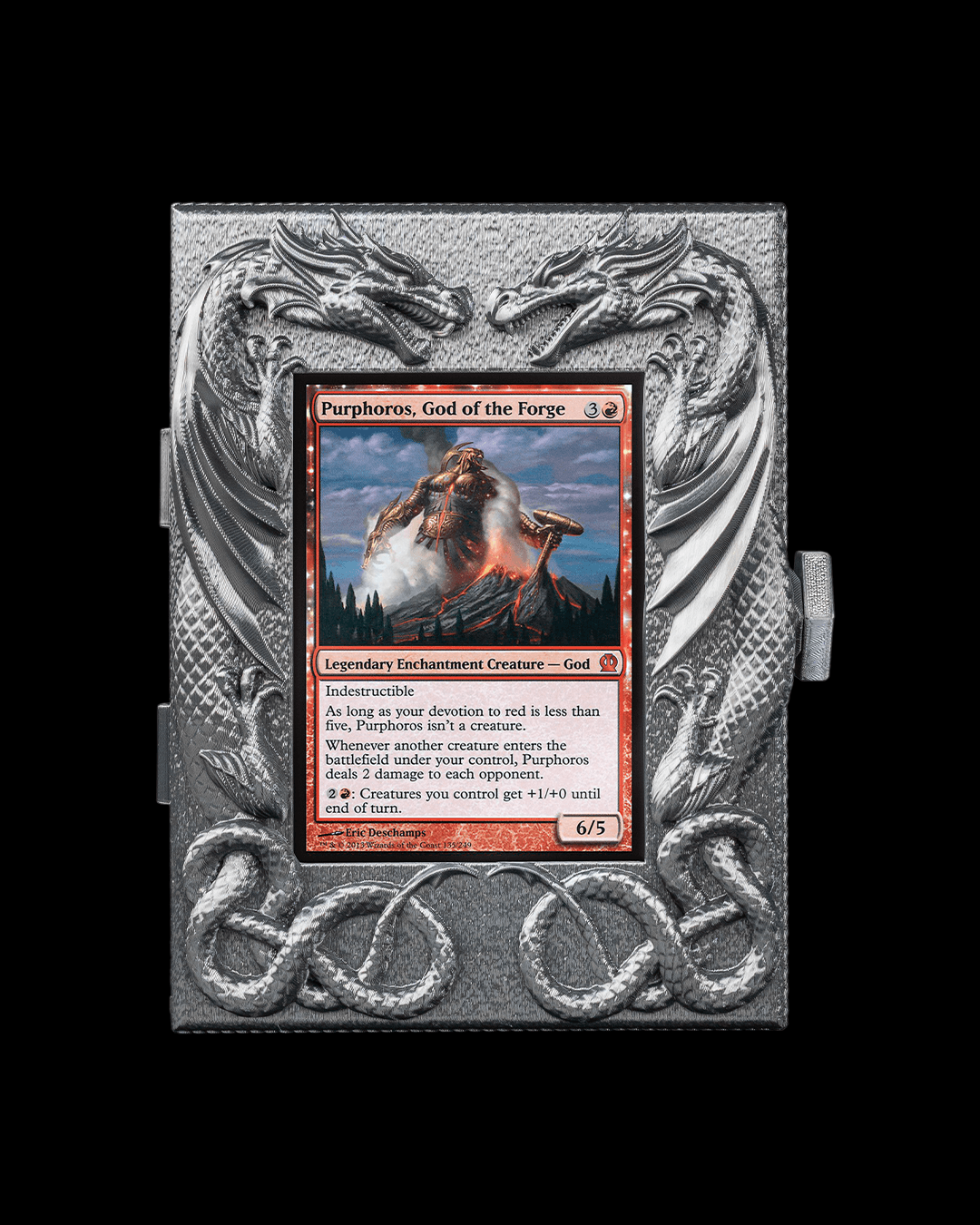
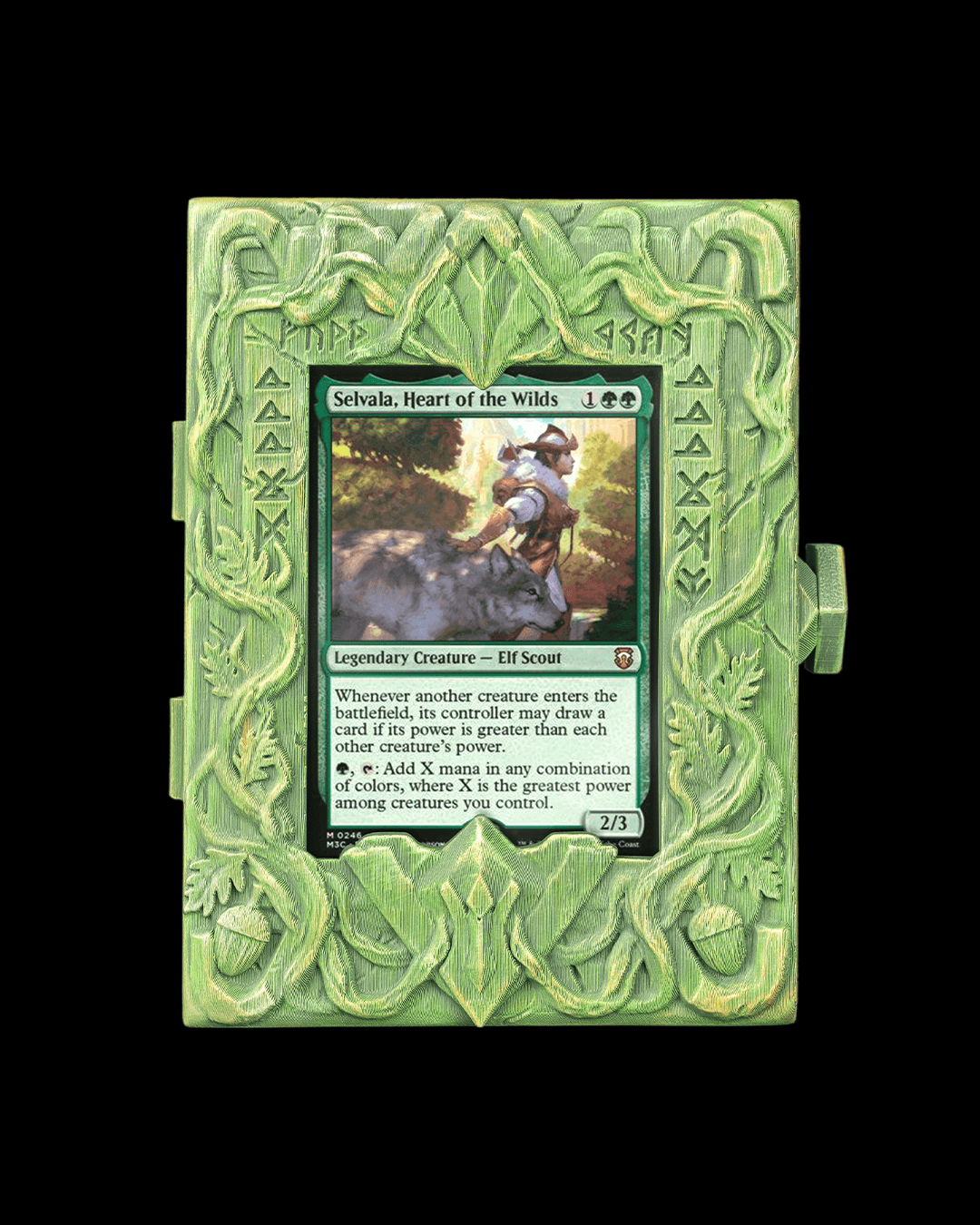
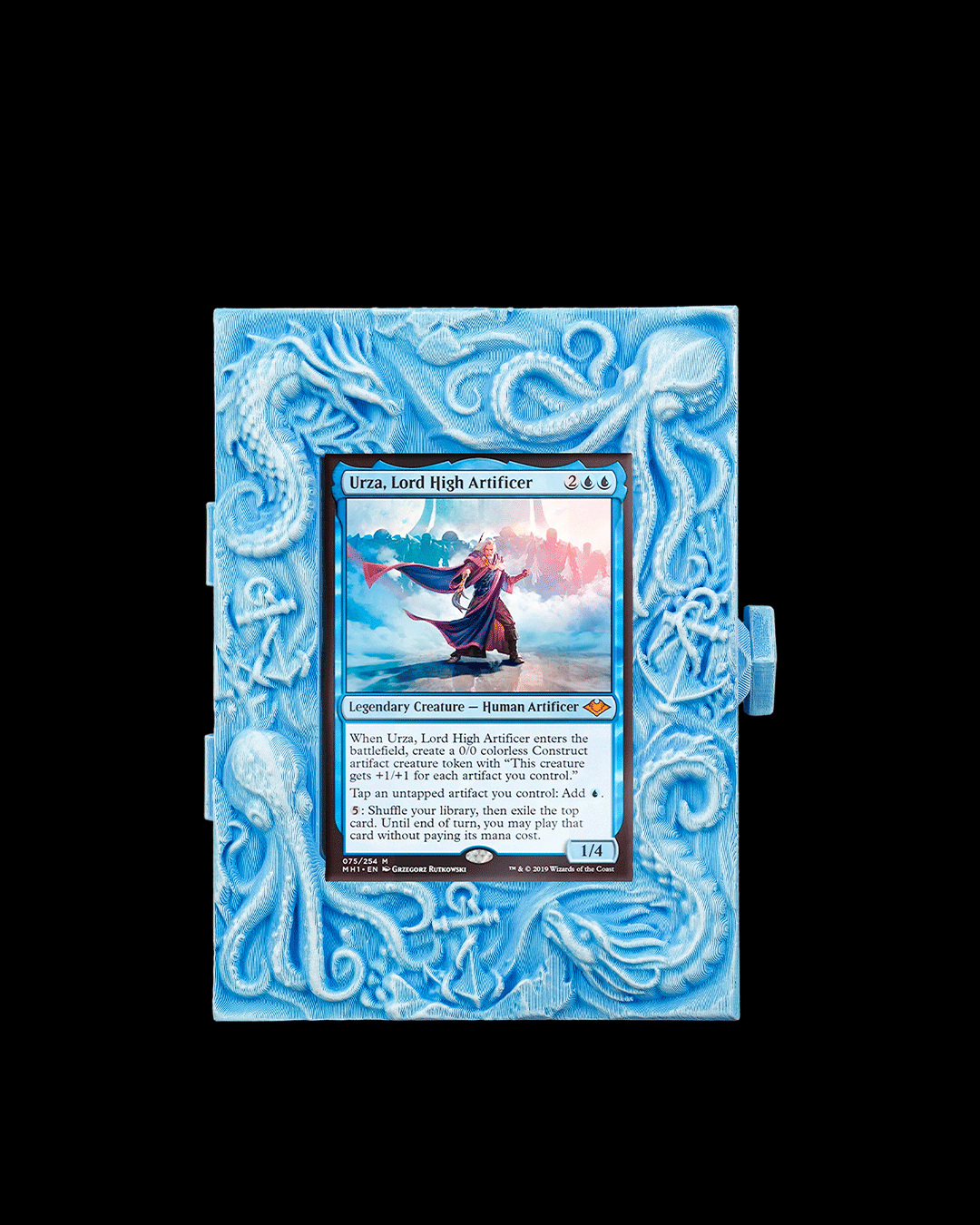
- Deployment of Units or Influence: Players place units, tokens, or markers on the board to exert control over various regions.
- Conflict and Competition: Multiple players vie for the same areas, leading to conflicts that must be resolved through various game-specific rules.
- Scoring and Victory Conditions: Control over areas typically translates into points or other advantages, aiming to achieve the highest score or fulfill specific victory conditions.
Understanding these mechanics is crucial for mastering area control games, as each game will have its unique blend of rules and strategies.
Popular Examples of Area Control Games
Thanks to their strategic depth and replayability, numerous area control games have garnered dedicated followings. These games offer a range of themes and mechanics, showcasing the diversity within the area control genre.
Risk
Risk is one of the most iconic area control games. In it, players command armies to conquer territories and eliminate opponents.
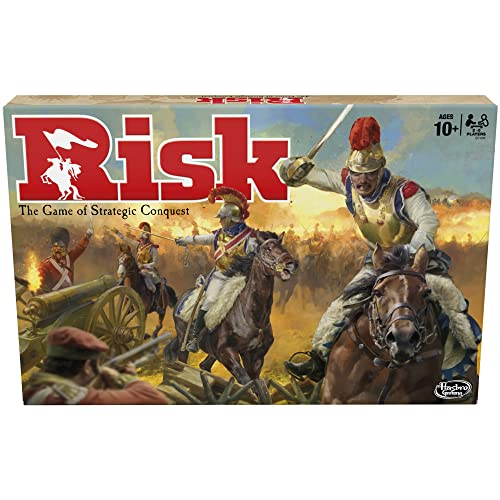
How to Play: In Risk, players take turns deploying armies, attacking opponents’ territories, and bolstering their defenses. The game is played on a world map divided into territories, to capture territories and continents to earn reinforcement troops. Dice rolls determine the outcomes of battles, adding an element of luck to strategic planning. Players can also form alliances or betray each other to achieve their objectives.
What Makes It Great: Risk’s longevity and widespread appeal stem from its simple yet strategic gameplay. The combination of diplomacy, strategy, and chance makes each game session unique and engaging. Additionally, the thrill of global conquest and the dynamic shifts in power keep players on their toes throughout the game.
Scythe
Scythe combines area control with resource management and asymmetric player powers, set in an alternate-history 1920s Europe.

How to Play: In Scythe, players assume the roles of leaders of factions trying to gain control over Eastern Europe. Each faction has unique abilities and starting resources. The game involves exploring the map, deploying mechs, and managing resources to build structures, enlist recruits, and complete various objectives. Combat is deterministic, relying on power and combat cards rather than dice rolls.
What Makes It Great: Scythe is celebrated for its beautiful artwork, thematic depth, and strategic complexity. The blend of area control with other mechanisms like resource management and asymmetric powers offers deep gameplay that rewards careful planning and adaptability. The game’s intricate design ensures that no two games are ever the same, providing high replayability.
Small World
In the whimsical game Small World, players control fantasy races vying for control over a small, crowded world.

How to Play: Players select fantasy races, each with unique traits and powers, and expand their territories by conquering adjacent regions. As resources are finite, players must decide when to put their current race into decline and bring a new race into play. The game involves strategic placement, expansion, and decline cycles, with an emphasis on timing and tactical decisions.
What Makes It Great: Small World’s charm lies in its playful theme and accessible yet strategic gameplay. The game’s mechanic of race selection and decline adds a unique twist to the standard area control formula. The varied combinations of races and powers ensure that each game feels fresh and different, while the vibrant artwork and humor make it highly engaging and enjoyable.
Twilight Struggle
Twilight Struggle is a two-player game simulating the Cold War, where players use influence and operations to control key regions and sway global politics.

How to Play: One player represents the United States, and the other the Soviet Union. Players use cards to perform actions such as placing influence markers, conducting coups, or advancing the space race. The game is played over ten turns, each representing several years of the Cold War, with specific events and crises shaping the strategic landscape. Players must balance military, political, and ideological influence to achieve dominance.
What Makes It Great: Twilight Struggle is praised for its historical depth and complex, immersive gameplay. The tension of the Cold War era is captured through the game’s mechanics and event cards, creating a narrative-rich experience. The strategic depth and competitive nature make it one of the highest-rated games among serious gamers, while its educational value provides insights into the geopolitical struggles of the 20th century.
Strategies for Winning in Area Control Games
Success in area control games hinges on effective strategy and adaptability. Here are some tips to help you emerge victorious:
- Balance Expansion and Defense: While expanding your territory is crucial, neglecting defense can leave you vulnerable to counter-attacks. Find a balance that allows for growth without overextending.
- Anticipate Opponents’ Moves: Consider your opponents’ actions and anticipate their strategies. Being one step ahead can give you a significant advantage.
- Leverage Special Abilities: Many area control games feature unique abilities or powers for players. Use these strategically to gain an edge over your rivals.
By incorporating these strategies, you can enhance your gameplay and increase your chances of winning.
How to Get Started with Area Control Board Games
If you’re new to area control games, getting started can be both exciting and daunting. Here are some steps to help you on your journey:
- Choose the Right Game: Start with a game that matches your interests and experience. Risk is a great entry point for beginners, while Scythe and Twilight Struggle offer more profound strategic challenges.
- Learn the Rules: Read the rulebook and watch tutorial videos, if available, thoroughly. Understanding the mechanics is key to enjoying and succeeding in the game.
- Gather a Group: Area control games are best enjoyed with friends or fellow board gamers. Gather a group of like-minded individuals and set aside time for regular game nights.
With these steps, you’ll be well on your way to mastering area control board games and enjoying countless hours of strategic fun.
Conclusion
Area control board games provide a captivating blend of strategy, competition, and social interaction. By understanding the mechanics, exploring popular games, and honing your strategy, you can immerse yourself in this rewarding genre and become a formidable opponent.