
As an Amazon Associate I earn from qualifying purchases and sometimes recommend products from other sellers at no extra cost you. For more details see my disclosure policy and privacy policy.
Bluffing board games are a sub-genre of strategy games in which players gain an advantage by deceiving their opponents. These games often include elements of negotiation, persuasion, and influence, requiring players to keep their intentions hidden while attempting to discern the strategies of others.
Some popular examples of bluffing board games include “Sheriff of Nottingham,” “Coup,” and “The Resistance.” Mastering the art of deception in these games often involves a delicate balance between truth and fabrication, keeping others guessing about your true intentions. It’s a skill that can take plenty of practice to perfect, but once mastered, can make bluffing board games an exhilarating experience.
Introduction to Bluffing Board Games
Bluffing board games, also often referred to as deception games, are a captivating blend of strategy, psychology, and interpersonal dynamics. They challenge players to employ tactics of misdirection and manipulation to achieve their in-game objectives. In these games, a player’s success hinges not only on their strategic planning but also on their ability to convincingly mislead their opponents and accurately judge when they themselves are being deceived.
Games in this genre offer a unique, immersive experience that tests and hones players’ cognitive and social skills, making every game session a thrilling psychological duel. Whether you’re an experienced gamer or a newcomer to the world of bluffing board games, prepare to engage your brain, sharpen your intuition, and let the mind games begin.

Psychology Behind Bluffing
Bluffing in board games is a complex psychological dance that relies on elements of social psychology, cognitive processes, and behavioral science. At its core, bluffing requires theory of mind – the ability to understand and predict the mental states of others. Players must not only anticipate the strategies of their opponents but also create believable deceptions, forcing their rivals to second guess their own perceptions and decisions.
Additionally, successful bluffing involves managing ‘tells’ – involuntary behaviors or reactions that might give away a player’s true intentions. These include physical cues, changes in speech patterns, or even shifts in gameplay style.
It’s a fascinating blend of psychology and gameplay, a testament to the intricacies of the human mind. Understanding these psychological aspects can enhance a player’s performance in bluffing games, transforming gameplay into a thrilling mental competition.
Popular Bluffing Board Games
Poker
Poker is arguably the most famous game that heavily relies on the art of bluffing. Originating in the early 19th century, it has evolved into various types with Texas Hold’em being the most popular variant. In poker, players bet on the best hand according to the game’s rules, all the while maintaining a poker face and using strategic bluffing to throw off their opponents.
Each player receives a certain number of cards, and must use their wits and deception skills to convince others that they hold the strongest hand, regardless of the actual strength of their cards. The ability to successfully bluff in poker can turn a weak hand into a winning one. The game’s inherent unpredictability, coupled with its psychological depth, has made it a worldwide phenomenon, enjoyed both casually at home and professionally in high-stakes tournaments.
Sheriff of Nottingham
“Sheriff of Nottingham” is another delightful bluffing board game that revolves around cunning, bribery, and trickery. In this game, players assume the roles of merchants trying to deliver their goods (both legal and contraband) into the city while avoiding the inspection of the player acting as the Sheriff. The game introduces a dynamic interaction between the Sheriff and merchants where the latter can bribe, negotiate, or bluff their way past the former.

The merchant whose goods (and any smuggled contraband) fetch the highest total value at the end of the game emerges as the winner. The essence of bluffing in “Sheriff of Nottingham” lies in the risk-taking decisions, the uncertainty, the bluffs, and the ability to read and manipulate opponents, making it an engaging and entertaining experience for all types of players.
Skull
“Skull” is a simple yet devilishly clever game of deception and bluffing. In this game, players each have a set of four coasters: three depicting flowers, and one with a skull. Each player places one card face down, after which any player can challenge others to flip over the laid cards.
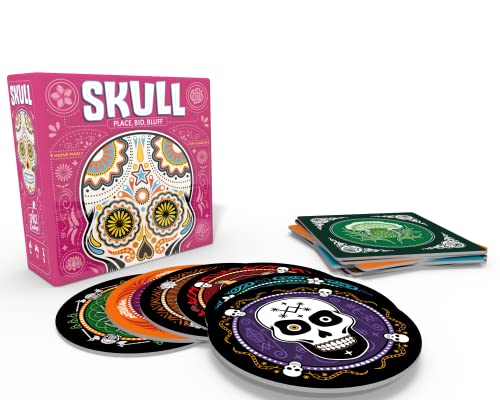
The twist? If they flip a skull, they lose one of their cards for the remainder of the game. The game is a delicate balance of bluffing and pushing your luck, as players must decide when to play it safe and when to risk turning over cards.
The beauty of “Skull” lies in its simplicity, making it an easily accessible bluffing game that still offers depth and replayability. It’s a thrilling exercise in reading your opponents and keeping your own intentions under wraps.
The Resistance
“The Resistance” is a thrilling, team-based game where players assume the roles of Resistance Operatives or Imperial Spies. In the not-too-distant dystopian future, a group of resistance fighters are attempting to overthrow a malicious corporate government. However, within the ranks of these freedom fighters lurk the very spies they seek to overthrow. As a Resistance Operative, your task is to carry out missions without being sabotaged by the Imperial Spies. As a Spy, your goal is to thwart the Resistance’s efforts by disrupting their missions.

The game involves a high degree of social deduction as the Resistance Operatives try to figure out who among them are the Spies. With each mission, the tension builds, as players’ loyalties are questioned and their true identities are gradually revealed. Each round becomes a test of strategy and deception as both sides strive to achieve their goals while keeping their own identities concealed. “The Resistance” takes bluffing and social deduction to a new level, making it a must-play for fans of this genre.
Coup
“Coup” is a fast-paced game of deceit and manipulation where players assume various roles, each with unique abilities, aiming to eliminate others and emerge as the last one standing. Set in a dystopian future, each player takes on the roles of powerful government officials within ‘The Resistance’ universe. These roles include the Duke, Assassin, Contessa, Captain, and Ambassador, each offering unique actions and counteractions.

Players must bluff and manipulate their way through the game, using their roles’ abilities to their advantage, while casting doubt on the honesty of others. The goal is to be the last person with at least one influence point, i.e., a character card in hand. The dynamic gameplay of “Coup”, combined with its demands for cunning strategy and bluffing prowess, makes it an exhilarating addition to the bluffing games genre.
Secret Hitler
“Secret Hitler” is an intense game of political intrigue and betrayal, set against the backdrop of 1930s Germany. In this game, players are clandestinely divided into two teams – liberals and fascists. The fascists, knowing their members, work in unison to sow distrust among the group and orchestrate the ascension of their ruthless leader. The liberals, unaware of the fascists’ identities, must work together to enact liberal policies while also deducing who among them are the fascists.
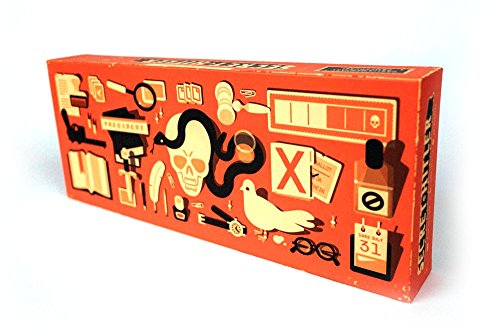
The game intensifies as the fascists progressively enact their policies, and the liberals struggle to thwart their efforts, all while trying to avoid inadvertently installing Hitler into power. The intrigue, hidden identities, and the constant uncertainty about who to trust make “Secret Hitler” a thrilling and suspenseful bluffing game, perfect for those who enjoy games with an element of political strategy and psychological manipulation.
One Night Ultimate Werewolf
“One Night Ultimate Werewolf” is a fast-paced game where players are assigned unique roles, each with special abilities. These roles include the Villager, Seer, Robber, Troublemaker, and, of course, the Werewolves. After a secret night phase where players close their eyes and the werewolves identify each other, the day phase begins. In this phase, players discuss, deceive, and deduce who among them are the Werewolves.

The game is a whirlwind of suspicion and bluffing, and in a unique twist, the game ends after just one day and one night. Therefore, players have only a limited time to find out who’s who. The game is a masterful blend of social deduction, bluffing, and strategy. The moment of tension when the day breaks and the discussion begins makes “One Night Ultimate Werewolf” a game full of suspense, surprises, and a whole lot of fun.
Strategies to Master Bluffing in Board Games
Mastering the art of bluffing in board games can transform you from a novice player into a formidable opponent. Here are some strategies to consider:
- Know the Game Well: Understanding the rules, roles, and strategies of the game is paramount. The more you know about the game, the better you’ll be at misleading your opponents.
- Maintain a Consistent Playstyle: If you play inconsistently, it will be easier for other players to detect when you’re bluffing. Try to keep a steady playstyle, whether you’re bluffing or not.
- Read Your Opponents: Pay attention to the other players’ behaviors, mannerisms, and patterns. This could give you insight into their strategies and whether or not they might be bluffing.
- Control Your Emotions: Keeping a poker face can be crucial in bluffing games. The better you are at controlling your emotions and not giving away your intentions, the harder it will be for others to read you.
- Use Misdirection: Sometimes, leading other players down the wrong path can help you achieve your goal. Misdirection can be a powerful tool in bluffing games.
Importance of Body Language in Bluffing
Body language plays a significant role in bluffing games. It is often said that actions speak louder than words, and this is particularly true in games that rely on deception and misdirection. A player’s physical cues, whether deliberate or unconscious, can reveal a lot about their strategy and intentions. These cues can include facial expressions, gestures, and even posture.
For instance, a sudden change in body language, such as becoming noticeably tenser or more relaxed, might indicate that a player is bluffing. Similarly, repeated patterns of behavior, like touching one’s face or avoiding eye contact, can also serve as a giveaway. On the other hand, being able to control and manipulate your own body language can greatly enhance your bluffing capabilities. By presenting a confident and composed demeanor, you can mislead other players into believing your bluffs.
However, it’s important to remember that body language can be subjective and can vary from person to person. What might be a tell for one player might not be the same for another. Therefore, being able to accurately read and interpret body language requires keen observation skills and a deep understanding of human behavior. Despite the challenge, mastering this aspect of bluffing can give players a significant edge in the game.
Ethical Considerations in Bluffing Games
While bluffing games can be loads of fun, they also raise certain ethical considerations that players should bear in mind. Firstly, it’s essential to remember that these are just games, and any deception or trickery used within the game’s context should not extend beyond it. It’s important to uphold a spirit of fair play and sportsmanship, even when bluffing is a part of the game’s strategy.
Secondly, players should be aware of the emotional impact these games can have, as they often involve manipulating others’ trust and emotions. Therefore, it’s crucial to ensure all players are comfortable with the game’s nature and the psychological elements involved.
Finally, it’s equally important to consider the age appropriateness of these games. Some bluffing games can be quite complex and intense, potentially leading to feelings of frustration or distress among younger or more sensitive players.
In summary, while bluffing games can test our strategic skills and ability to read others, they should always be played with respect for all participants, a clear understanding of the game’s separation from real-life behavior, and due consideration for the emotional well-being of all players.
Conclusion
Bluffing board games offer a unique blend of strategy, psychology, and sociability, making them a dynamic and exciting addition to any game night. Whether we’re trying to unmask the werewolves among us in “One Night Ultimate Werewolf” or prevent the rise of a dictator in “Secret Hitler”, these games challenge us to stretch our strategic thinking and social deduction skills to the limits. However, as we revel in the twists and turns these games offer, it’s essential to remember the ethical considerations involved. The thrill of the game should never come at the cost of respect and fairness to our fellow players. As we bluff our way to victory or foil our opponents’ best-laid plans, may we always keep the spirit of fun, camaraderie, and good sportsmanship alive.