
As an Amazon Associate I earn from qualifying purchases and sometimes recommend products from other sellers at no extra cost you. For more details see my disclosure policy and privacy policy.
For many, Ticket to Ride serves as a gateway into the wonderful world of modern board gaming. With its elegant blend of route building, set collection, and strategic planning, it has introduced countless families and friends to the joy of tabletop gaming. However, once you’ve connected routes across various continents, you might be looking for new adventures that capture that same magic while offering fresh challenges.
What Makes Ticket to Ride Special?
Before exploring alternatives, it’s worth understanding what makes Ticket to Ride so beloved. At its heart, Ticket to Ride is about connecting cities through railway routes using cards of matching colors. Players balance the immediate gratification of building small routes against the long-term planning required to complete longer destination tickets. This accessibility combined with meaningful decisions has made it a modern classic.
Catan: The Original Gateway Game
Catan revolutionized modern board gaming and shares several key elements with Ticket to Ride. Like building train routes, players construct roads and settlements across a modular board, creating a network that grows more complex as the game progresses. The game’s emphasis on connecting locations and strategic placement will feel familiar to Ticket to Ride fans.
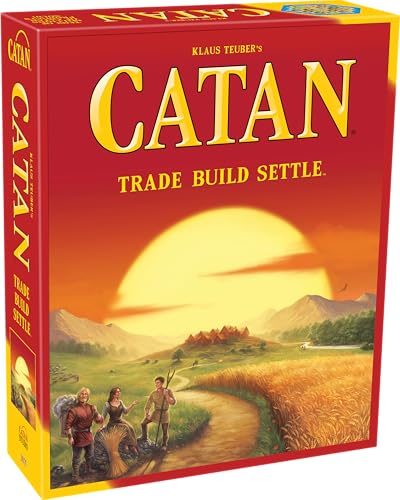
Where Catan differs is in its focus on resource management and player interaction. Instead of collecting colored cards, players gather and trade resources like wood, brick, and ore. This trading aspect adds a social dimension that Ticket to Ride lacks, while the variable board setup ensures no two games play exactly alike.
The addition of development cards and the robber mechanic adds layers of strategy that might appeal to groups looking for something slightly more complex than Ticket to Ride while maintaining accessibility.
Alhambra: Building Beauty
Alhambra transforms the route-building concept into architectural mastery. Instead of laying train tracks, players construct a palace complex by purchasing and placing building tiles. The game’s unique currency system, requiring players to manage money in four different colors, creates interesting decisions similar to collecting train cards in Ticket to Ride.

The spatial puzzle of Alhambra offers a fresh challenge. Players must carefully consider how building tiles connect and which sections of their palace to expand. The scoring system, which happens at three different points during the game, encourages long-term planning while keeping players engaged throughout.
Like Ticket to Ride, Alhambra succeeds in being easy to learn while offering substantial strategic depth. The visual satisfaction of building your palace provides a different but equally rewarding experience to completing long routes.
Splendor: Collecting Gems of Strategy
While Splendor doesn’t involve physical route building, it captures the engine-building aspect that makes Ticket to Ride so satisfying. Players collect gems to purchase cards that provide permanent resources, creating a snowball effect similar to how completing routes in Ticket to Ride enables further expansion.

The game’s straightforward rules mask deeper strategic considerations. Like deciding which routes to prioritize in Ticket to Ride, players must balance acquiring cheaper cards for immediate benefits against saving for more valuable cards that provide long-term advantages.
Splendor’s quick turns and constant progress make it an excellent alternative for families who enjoy Ticket to Ride’s pace and accessibility.
Takenoko: Charming Strategy
Takenoko offers a delightful twist on spatial strategy games. Players manage a Japanese garden where they grow bamboo and feed a hungry panda. While mechanically different from Ticket to Ride, it shares the same approachable nature and satisfying progression.

The game’s three interconnected systems – growing bamboo, moving the panda, and expanding the garden – create interesting decisions without overwhelming players. Each turn presents choices similar to Ticket to Ride’s “do I build now or collect more cards?” dilemma.
The charming theme and high-quality components make Takenoko particularly appealing to families looking for something visually engaging that can still challenge experienced gamers.
Carcassonne: Tile-Laying Excellence
Carcassonne takes the route-building concept in a different direction through tile placement. Instead of predetermined routes on a board, players create the map as they play, placing tiles to build cities, roads, and monasteries.
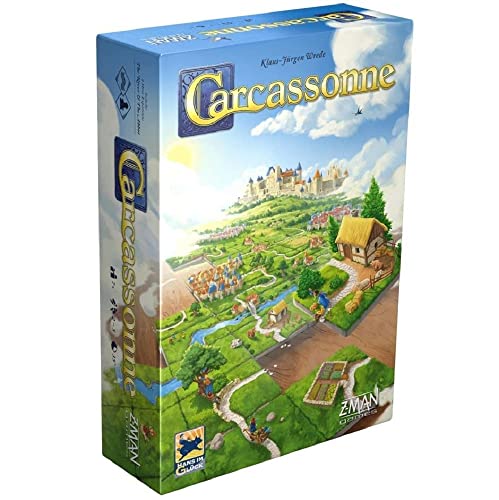
The game’s genius lies in its simplicity and depth. Like Ticket to Ride, basic rules (place a tile, optionally place a meeple) give rise to complex strategies. The competitive element of claiming features before opponents can complete them creates tension similar to racing for specific routes.
The numerous expansions available for Carcassonne also provide longevity comparable to Ticket to Ride’s various maps and versions.
Tsuro: Path of Elegance
Tsuro distills route building to its essence. Players place tiles to create paths for their dragon tokens, trying to keep their dragon on the board while potentially forcing opponents off. Its quick playtime and simple rules make it an excellent filler game or introduction to spatial reasoning.

The game’s visual appeal and tactile satisfaction of laying paths echo the pleasures of placing train cars in Ticket to Ride. However, Tsuro’s more direct player interaction and shorter playtime offer a different experience.
The strategic depth comes from predicting opponents’ moves and managing your position on the board, skills that Ticket to Ride players will appreciate.
Power Grid: Strategic Depth
Power Grid represents a step up in complexity from Ticket to Ride while maintaining the network-building core. Players compete to power cities by building connections and managing resources, creating an experience that combines familiar elements with deeper strategy.

The game’s economic system, where resources become more expensive as they’re purchased, introduces market mechanics that add strategic depth. Like Ticket to Ride’s route planning, players must carefully consider which cities to connect and when to expand their network.
While more complex than Ticket to Ride, Power Grid rewards players looking for a deeper strategic experience while maintaining the satisfaction of building a network across the board.
Choosing Your Next Journey
When selecting an alternative to Ticket to Ride, consider what aspects of the game most appeal to your group:
- For family gameplay: Takenoko or Splendor offer accessible yet engaging experiences
- For network building: Power Grid or Catan provide deeper strategic options
- For quick games: Tsuro offers fast-paced spatial reasoning
- For visual appeal: Alhambra and Carcassonne create beautiful tableaus as you play
- For similar weight: Airlines Europe provides comparable complexity with fresh mechanics
Each of these games offers something unique while maintaining elements that make Ticket to Ride enjoyable. Whether you’re looking for something slightly different or ready to try a more complex game, these alternatives provide excellent next steps in your board gaming journey.
These games demonstrate how the core concepts that make Ticket to Ride engaging – route building, set collection, and strategic planning – can be reimagined in various ways. By exploring these alternatives, you’ll discover new mechanisms while enjoying familiar satisfactions, expanding your appreciation for the wonderful world of board gaming.