
As an Amazon Associate I earn from qualifying purchases and sometimes recommend products from other sellers at no extra cost you. For more details see my disclosure policy and privacy policy.
Are you a fan of 7 Wonders but looking to expand your board game horizons? Look no further! We’ve compiled a list of 10 fantastic alternatives that capture the essence of what makes 7 Wonders great while offering unique twists and mechanics.

What Makes 7 Wonders Great?
7 Wonders is a beloved card-drafting game that takes players through three ages of ancient civilization building. Its popularity stems from its elegant mechanics, simultaneous play, and the satisfying feeling of watching your civilization grow. The game’s replayability and scalability for different player counts have made it a modern classic.
10 Alternatives to 7 Wonders
1. Hadara
Hadara is a civilization-building game that shares 7 Wonders’ card-drafting core but takes a more abstracted approach to strategy. Players develop their societies over three ages, making crucial decisions about which cards to draft and how to best utilize them.

Why it’s a good alternative: Like 7 Wonders, Hadara features a card-drafting mechanism and a civilization-building theme. The game also progresses through multiple ages, giving players a similar sense of progression. However, Hadara introduces a unique colony expansion mechanic and a different approach to resource management, offering a fresh experience for 7 Wonders fans.
2. Dominion
While not a direct substitute, Dominion pioneered the deck-building genre and offers a similar sense of growth and strategy. Players create their own card combinations to earn victory points by building structures.

Why it’s a good alternative: Although Dominion uses deck-building instead of card-drafting, it shares 7 Wonders’ focus on card synergies and engine building. Both games require players to make strategic decisions about which cards to acquire and how to combine them effectively. Dominion’s variety of kingdom cards provides high replayability, similar to 7 Wonders’ different Wonder boards.
3. It’s a Wonderful World
It’s a Wonderful World combines card drafting with empire building, making it a natural alternative for 7 Wonders fans. Players manage resources and draft cards to construct their empires, with accessible gameplay mechanics that are easy to learn but difficult to master.

Why it’s a good alternative: This game captures the essence of 7 Wonders’ card-drafting and resource management while introducing a unique production phase. Like 7 Wonders, players must balance immediate needs with long-term strategy. The addition of a solo mode adds extra value for those looking to play when a full group isn’t available, addressing a limitation of 7 Wonders.
4. Bunny Kingdom
Bunny Kingdom takes the drafting mechanism and pairs it with area control, creating a unique gameplay experience. Players build their bunny kingdoms on a grid, making strategic decisions about resource allocation and territory expansion.

Why it’s a good alternative: While the theme differs significantly from 7 Wonders, Bunny Kingdom retains the core drafting mechanic. It adds a spatial element that may appeal to 7 Wonders fans who enjoy the game’s tableau-building aspect. Both games require players to think several moves ahead and consider their opponents’ strategies.
5. Catan
A classic in its own right, Catan focuses on resource management and settlement building. While it doesn’t feature card drafting, Catan’s emphasis on strategic placement and negotiation will appeal to 7 Wonders fans who enjoy the community interaction aspect.
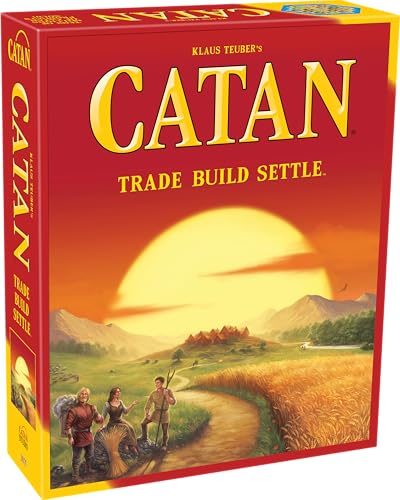
Why it’s a good alternative: Catan shares 7 Wonders’ focus on resource management and civilization building. While the mechanics differ, both games require players to make strategic decisions about resource allocation and development. Catan’s trading aspect may appeal to 7 Wonders players who enjoy the game’s indirect player interaction.
6. Agricola / Caverna
These Uwe Rosenberg designs are engine-building games that focus on farm management and resource allocation. While they differ mechanically from 7 Wonders, they provide a similar depth of strategy and the satisfaction of watching your holdings grow over time.

Why they’re good alternatives: Although these games use worker placement instead of card drafting, they share 7 Wonders’ emphasis on efficient resource management and long-term planning. Like in 7 Wonders, players must balance multiple priorities and adapt their strategies based on available options. The depth of strategy in these games will appeal to 7 Wonders fans who enjoy complex decision-making.
7. Carcassonne
Carcassonne is a tile-placement game that involves building cities and landscapes while competing for points. It appeals to those who enjoy the strategic territory control aspect of 7 Wonders.
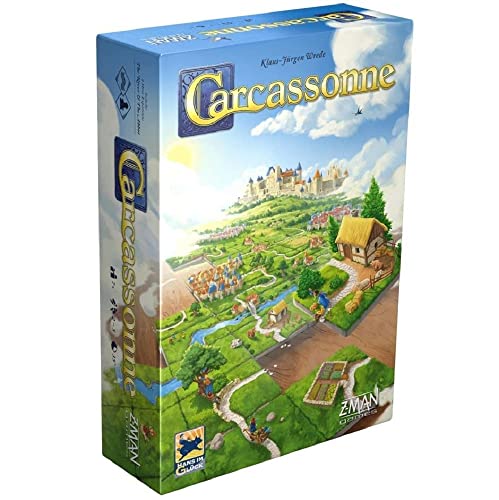
Why it’s a good alternative: While Carcassonne doesn’t involve card drafting, it shares 7 Wonders’ focus on building and expanding. Both games require players to make strategic decisions with limited information, as the tiles (or cards) available can change quickly. Carcassonne’s modular board provides high replayability, similar to 7 Wonders’ variable setup.
8. Splendor
Splendor centers around collecting gems and purchasing development cards, featuring simple mechanics that lead to complex strategies over time. While it doesn’t have the historical theme of 7 Wonders, it captures the same sense of building and progression.

Why it’s a good alternative: Like 7 Wonders, Splendor involves acquiring cards to build an engine and score points. Both games require players to balance short-term gains with long-term strategy. Splendor’s accessibility and quick playtime make it an excellent choice for both casual and serious gamers, much like 7 Wonders.
9. 7 Wonders Duel
For those who love 7 Wonders but often find themselves with just one opponent, 7 Wonders Duel is the perfect solution. This two-player variant maintains the core mechanics of the original while introducing new strategies tailored for head-to-head play.

Why it’s a good alternative: As a direct spin-off, 7 Wonders Duel captures the essence of the original game while offering a more intense, focused experience for two players. It retains the civilization-building theme and card-drafting mechanic while introducing new elements like the Science and Military tracks, providing fresh challenges for 7 Wonders veterans.
10. Azul
Azul is a beautiful tile-drafting game where players compete to create patterns on their boards. While it differs thematically from 7 Wonders, it shares the drafting mechanism and the satisfaction of building something beautiful.

Why it’s a good alternative: Azul’s drafting mechanism will feel familiar to 7 Wonders players, but with a unique twist. Both games require players to consider not only what they need but also what their opponents might want. Azul’s emphasis on pattern building and spatial awareness offers a different but equally engaging strategic experience compared to 7 Wonders’ civilization building.
Conclusion
Whether you’re looking for something with similar mechanics, themes, or just the same sense of satisfaction that comes from building and developing, these 10 alternatives to 7 Wonders offer a wealth of gaming experiences.
Each brings its own unique twist to the table, ensuring that fans of 7 Wonders will find something new and exciting to explore. From the civilization-building of Hadara to the tile-laying beauty of Azul, there’s an alternative for every taste. Happy gaming!