As an Amazon Associate I earn from qualifying purchases and sometimes recommend products from other sellers at no extra cost you. For more details see my disclosure policy and privacy policy.
The tile-laying genre has become a cornerstone of modern board gaming, offering perfect combinations of tactical thinking and satisfying visual outcomes. These games transform abstract mechanics into engaging puzzles that appeal to both casual players and serious strategists. From the chunky satisfaction of placement puzzles to themed adventures, the genre continues to produce standout titles.
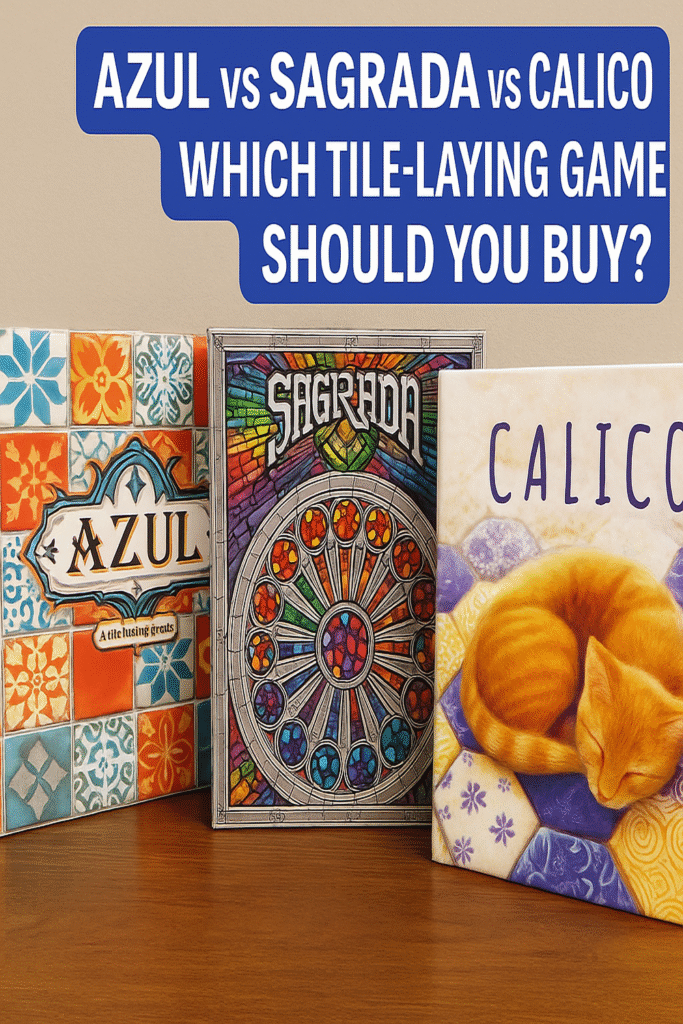
Today we’re comparing three exceptional examples that represent different approaches to tile-laying design. Azul brings Portuguese-inspired elegance with its resin tiles and pattern-building focus. Sagrada transforms dice into stained glass windows with clever placement restrictions. Calico creates cozy quilting puzzles that attract adorable cats through strategic color and pattern management.
Each game targets the same 30-45 minute sweet spot but offers distinctly different experiences. Let’s break down which one deserves a spot on your shelf.
🎮 Game Overviews
🔷 Azul
This abstract strategy masterpiece draws inspiration from the decorative azulejo tiles found throughout Portugal. Players draft colorful resin tiles from central factory displays, then place them on personal boards to complete horizontal rows and decorative patterns.

Key Features:
- Players: 2-4
- Play Time: 30-45 minutes
- Complexity: Easy to learn, moderate strategic depth
- Theme: Portuguese tile artistry
The game flows through repeated rounds of drafting and placement. You’ll select tiles from shared pools, but taking tiles means you might leave others for opponents. Completed rows score points immediately, while incomplete rows can penalize you with broken tile penalties. The tension between risk and reward creates engaging decisions throughout each game.
Perfect for newcomers who want strategy without overwhelming complexity, Azul won the prestigious Spiel des Jahres in 2018 for good reason.
🎲 Sagrada
This dice-drafting game transforms the challenge of creating beautiful stained glass windows into strategic gameplay. Each player receives a unique window pattern board with specific color and number restrictions for dice placement.
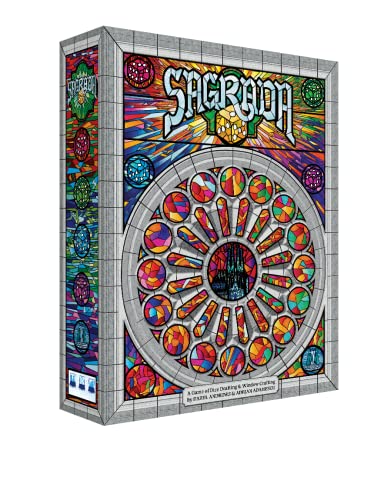
Key Features:
- Players: 1-4
- Play Time: 30-45 minutes
- Complexity: Moderate with placement restrictions
- Theme: Stained glass cathedral windows
The core mechanism revolves around drafting colored dice from a shared pool, then placing them on your window according to placement rules. Adjacent dice can’t share colors or numbers, while some spaces require specific colors or values. Tool cards provide ways to bend these rules for strategic advantage, but they cost resources you’ll need to manage carefully.
Sagrada accommodates solo play with multiple difficulty levels, making it perfect for quiet gaming sessions.
🐱 Calico
The most recent addition to this comparison, Calico combines quilting themes with cat attractions in a surprisingly brain-burning puzzle. Players place hexagonal tiles to create color and pattern combinations that score points through multiple pathways.
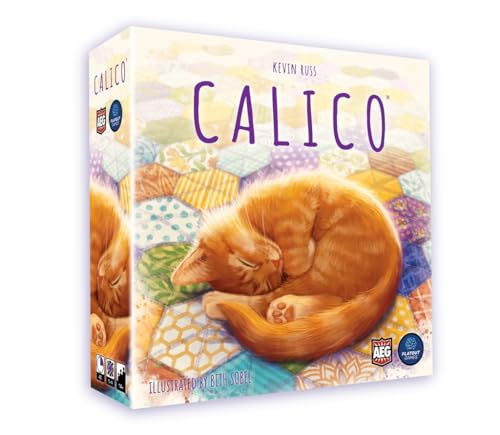
Key Features:
- Players: 1-4
- Play Time: 30-45 minutes
- Complexity: Simple rules, deep puzzle optimization
- Theme: Quilting with adorable cats
You’ll draft tiles and place them on a personal quilt board, trying to create specific patterns that attract cats, fulfill button objectives, and complete goal tiles. The challenge comes from managing all these scoring opportunities simultaneously while working with limited tile options.
Despite its adorable theme and simple rules, this game provides some of the deepest puzzle-solving in the genre.
⚖️ Head-to-Head Comparison
| Feature | Azul | Sagrada | Calico |
|---|---|---|---|
| Theme | Portuguese tiles | Stained-glass windows | Quilting & cats |
| Main Mechanic | Tile drafting & placement | Dice drafting & placement | Tile drafting & pattern building |
| Player Count | 2–4 | 1–4 | 1–4 |
| Play Time | 30–45 min | 30–45 min | 30–45 min |
| Complexity | Easy to learn, moderate depth | Moderate, more restrictions | Simple rules, high puzzliness |
| Components | Chunky resin tiles | Colorful dice, window boards | Hex tiles, cat tokens, buttons |
| Replayability | High, with variants | High, variable objectives | High, many objectives |
| Solo Mode | No (base game) | Yes | Yes |
| Aesthetics | Bright, tactile | Vibrant, eye-catching | Cozy, charming |
| Awards | Spiel des Jahres winner | Multiple nominations | Multiple awards, family game |
🎯 Gameplay Experience Deep Dive
🔷 Azul: Pattern Recognition and Tactical Blocking
Azul creates immediate engagement through its tactile components and visible progress. The chunky resin tiles feel substantial in your hands, while completed patterns provide instant visual satisfaction.
What Makes It Special:
- Continuous scoring – Track progress throughout the game
- Tactical blocking – Deny tiles to opponents strategically
- Beautiful table presence – Completed patterns look stunning
- Gateway-friendly rules – Teaches in under 5 minutes
The strategic depth emerges through reading the shared tile pools and anticipating opponent needs. Taking tiles isn’t just about your own patterns—you’re also denying options to others or potentially forcing them to take penalty tiles.
🎲 Sagrada: Puzzle Solving with Variable Challenges
Sagrada emphasizes spatial reasoning and careful planning under restrictions. Each game feels different thanks to variable window patterns, tool cards, and scoring objectives.
Standout Features:
- Variable setup – Different every game
- Tool card strategy – Bend rules when needed
- Excellent solo mode – Multiple difficulty levels
- Beautiful components – Translucent dice catch light perfectly
The tension comes from balancing multiple constraints—color restrictions, number restrictions, and adjacency rules—while trying to maximize points through public and private objectives. Tool cards add strategic layers by letting you manipulate results, but you must decide when to spend resources versus saving them for critical moments.
🐱 Calico: Pure Puzzle Optimization
Calico delivers the most brain-burning experience of the three. Every tile placement creates ripple effects across multiple scoring systems—pattern matching for cats, color groups for buttons, and specific shapes for goal tiles.
Puzzle Elements:
- Multiple scoring paths – Cats, buttons, and goal tiles
- Deep optimization – Every placement matters
- Scenario variety – Different solo challenges
- Surprising depth – Simple rules hide complex decisions
The puzzle nature means turns can slow down as players calculate optimal placements. However, puzzle lovers will appreciate the deep optimization opportunities that reward careful planning and adaptation.
🏆 Who Should Buy Each Game?
🔷 Choose Azul If You Want:
✅ Perfect Gateway Game Experience Azul stands out as one of the best gateway games for newcomers because it teaches fundamental concepts without overwhelming complexity.
Ideal For:
- New strategy gamers – Learn drafting and pattern recognition
- Family game nights – Appeals across age ranges
- Mixed gaming groups – Casual or competitive play styles
- Component quality lovers – Premium resin tiles feel amazing
Best Moments:
- Teaching new players modern board game concepts
- Quick games between heavier strategy sessions
- Situations where you want guaranteed table appeal
🎲 Choose Sagrada If You Want:
✅ Variable Challenge with Solo Options Sagrada includes multiple difficulty levels and scenario variants that extend replay value significantly. The solo gaming experience feels carefully designed rather than tacked on.
Perfect For:
- Solo gamers – Excellent single-player experience
- Dice game fans – Strategic mitigation of randomness
- Visual appeal seekers – Stunning stained glass theme
- Variety lovers – Different setup every game
Best Moments:
- Quiet solo gaming sessions with meaningful decisions
- Groups who enjoy dice-based strategy with control
- When you want beautiful table presence that photographs well
🐱 Choose Calico If You Want:
✅ Deep Puzzle Optimization Calico offers the most complex optimization challenge of the three games. Multiple scoring systems interact in interesting ways, creating genuine puzzle-solving experiences.
Designed For:
- Puzzle enthusiasts – Complex optimization decisions
- Strategic thinkers – Multiple paths to victory
- Solo scenario lovers – Varied solo gaming sessions with different focuses
- Theme + strategy fans – Cute theme with serious gameplay
Best Moments:
- When you want to really think through every decision
- Solo puzzle sessions that challenge your brain
- Groups that appreciate cute themes with strategic depth
🔧 Additional Considerations
🎨 Component Quality and Production
Component Highlights:
- Azul: Hefty resin tiles with satisfying tactile feel
- Sagrada: Translucent dice that create beautiful light effects
- Calico: Charming artwork with functional wooden components
All three games excel in production quality, but each emphasizes different aspects. None suffer from component quality issues, though Azul’s tiles show fingerprints more readily than the others.
📚 Learning Curve and Teaching
Teaching Difficulty (Easiest to Hardest):
- Azul – Visual pattern-building explains itself quickly
- Sagrada – Placement restrictions need demonstration
- Calico – Simple rules but complex scoring interactions
Time to Competency:
- Azul: 1-2 games to grasp strategy
- Sagrada: 2-3 games to use tools effectively
- Calico: 3-4 games to understand scoring optimization
💰 Value and Accessibility
All three games deliver excellent value at their typical $30-45 price points. They represent what we consider budget-friendly strategy options that provide substantial gameplay depth without premium price tags.
Value Factors:
- High replay value through different mechanisms
- Quality components that last years of regular play
- Broad appeal – work with various group compositions
- Regular availability – easy to find at stores or online
🏁 Final Verdict
🥇 For most players, Azul provides the best combination of accessibility, strategy, and broad appeal. Its gateway-friendly rules and excellent components make it perfect for building a board game collection or introducing others to modern strategy games.
🥈 Choose Sagrada if you specifically want solo play capabilities or enjoy dice-based puzzles. The variable setup and tool card interactions create more game-to-game variety than Azul, while the solo mode adds significant value.
🥉 Choose Calico if you’re a puzzle lover who wants the deepest strategic challenge. Despite its gentle appearance, this game provides the most complex optimization decisions and rewards careful long-term planning.
⚡ Quick Decision Guide:
🎯 Decision Flowchart:
- Want the most universally appealing game? → Azul
- Need excellent solo play? → Sagrada or Calico
- Prefer maximum strategic depth? → Calico
- Looking for a great gateway game? → Azul
- Want beautiful table presence? → Sagrada
- Enjoy optimization puzzles? → Calico
🎲 The Bottom Line: You honestly can’t go wrong with any of these excellent games. Each represents the best of what tile-laying games can offer, just with different emphases. Many serious board gamers end up owning all three because they scratch different gaming itches despite sharing similar mechanics.
If you’re just starting your board game journey, check out our complete beginner’s guide for more gateway game recommendations that pair well with these tile-laying classics.
Which of these catches your eye? Have you tried any of these games yet? Let us know in the comments below!