
As an Amazon Associate I earn from qualifying purchases and sometimes recommend products from other sellers at no extra cost you. For more details see my disclosure policy and privacy policy.
Every new set drops with a wave of spoiler hype, and most of those hot takes age badly within two weeks. Secrets of Strixhaven is no exception — the cards everyone screenshotted on release day are not necessarily the ones quietly winning matches right now. What the set actually did was sharpen the format’s edges: it rewarded decks that already had a clear plan and punished the ones that were trying to do a little of everything.
If you have logged into Arena recently and felt like every game ends faster, every spell deck has more reach, or your stabilising turn keeps arriving one mana too late, that is not bad luck. The format has shifted. This piece walks through the three biggest strategic changes since the set arrived, the spoiler-darling cards still searching for a home, the unassuming cards quietly running the format, and how to think about updating your deck without burning wildcards on cards that will not survive the next round of tuning.
The At-A-Glance Picture
| Shift | What it means for your deck |
|---|---|
| Spell density matters more than ever | Cut your weakest non-spell slot for another cheap cantrip or instant-speed answer |
| Landfall and ramp got faster | Your interaction needs to be cheaper, or your clock needs to be earlier |
| The format punishes slow stabilisation | Reactive decks need cleaner answers and tighter sideboards, not more situational ones |
| Most impactful new cards are commons and uncommons | Don’t blow wildcards on the flashy mythics until they actually show up in winning lists |
Shift One: Spell Density Is the Whole Game Now
Izzet Prowess was already the deck to beat going into Secrets of Strixhaven, sitting around 23.7% of the winner’s metagame before the set fully landed. That is the kind of share you only see when a deck has both raw power and the right metagame position, and the new set did almost nothing to weaken it. If anything, the new cheap cantrips and selection effects gave Izzet a cleaner curve and slightly more reach.
The strategic point here is bigger than one archetype. The format is rewarding decks that turn every card into either a threat, an answer, or a spell that finds another spell. Anything in between — your random three-mana 3/3 with an okay text box, your medium midrange creature that needs the board to be empty to attack — is dragging your deck down. If a slot is not pulling double duty, replace it.
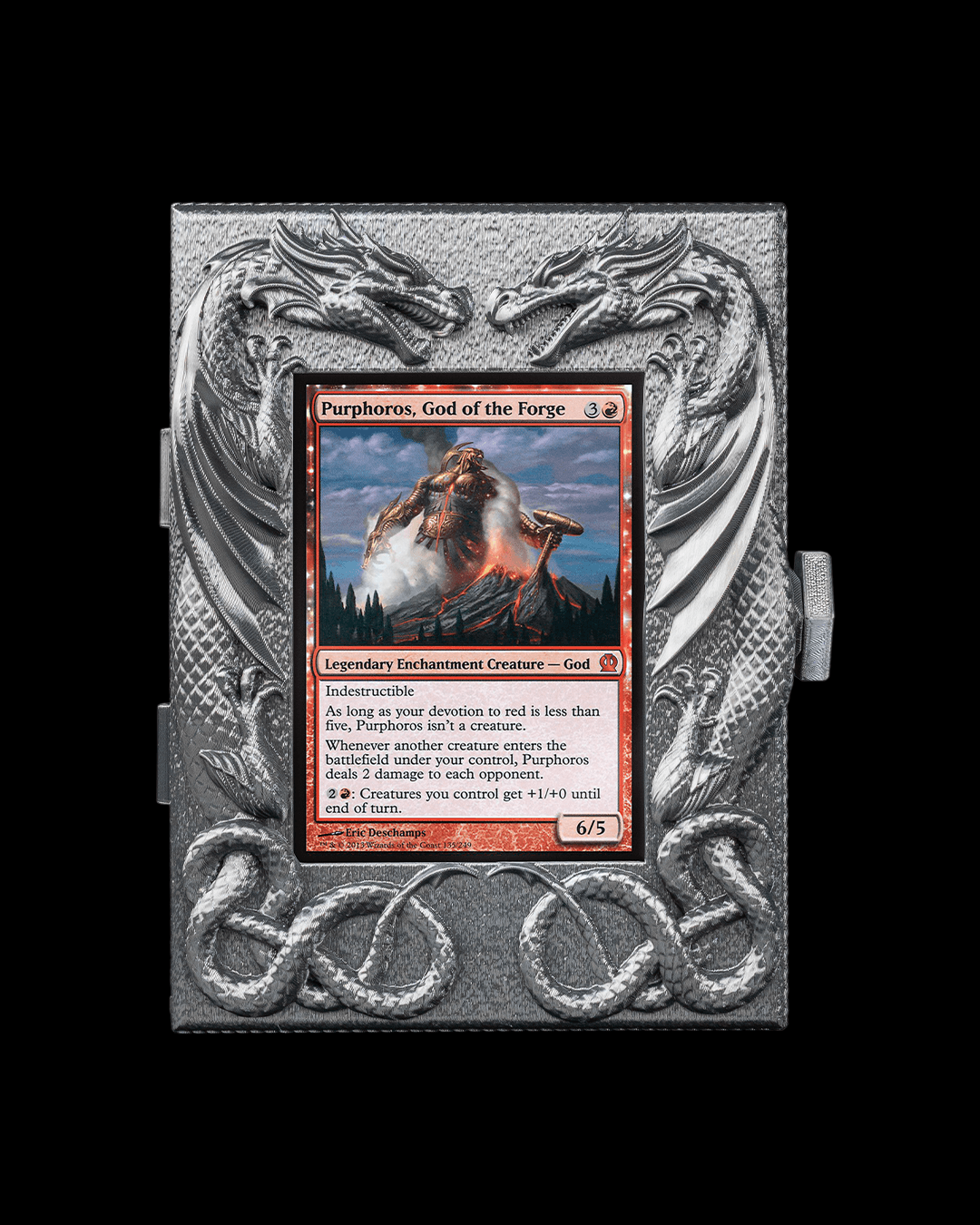
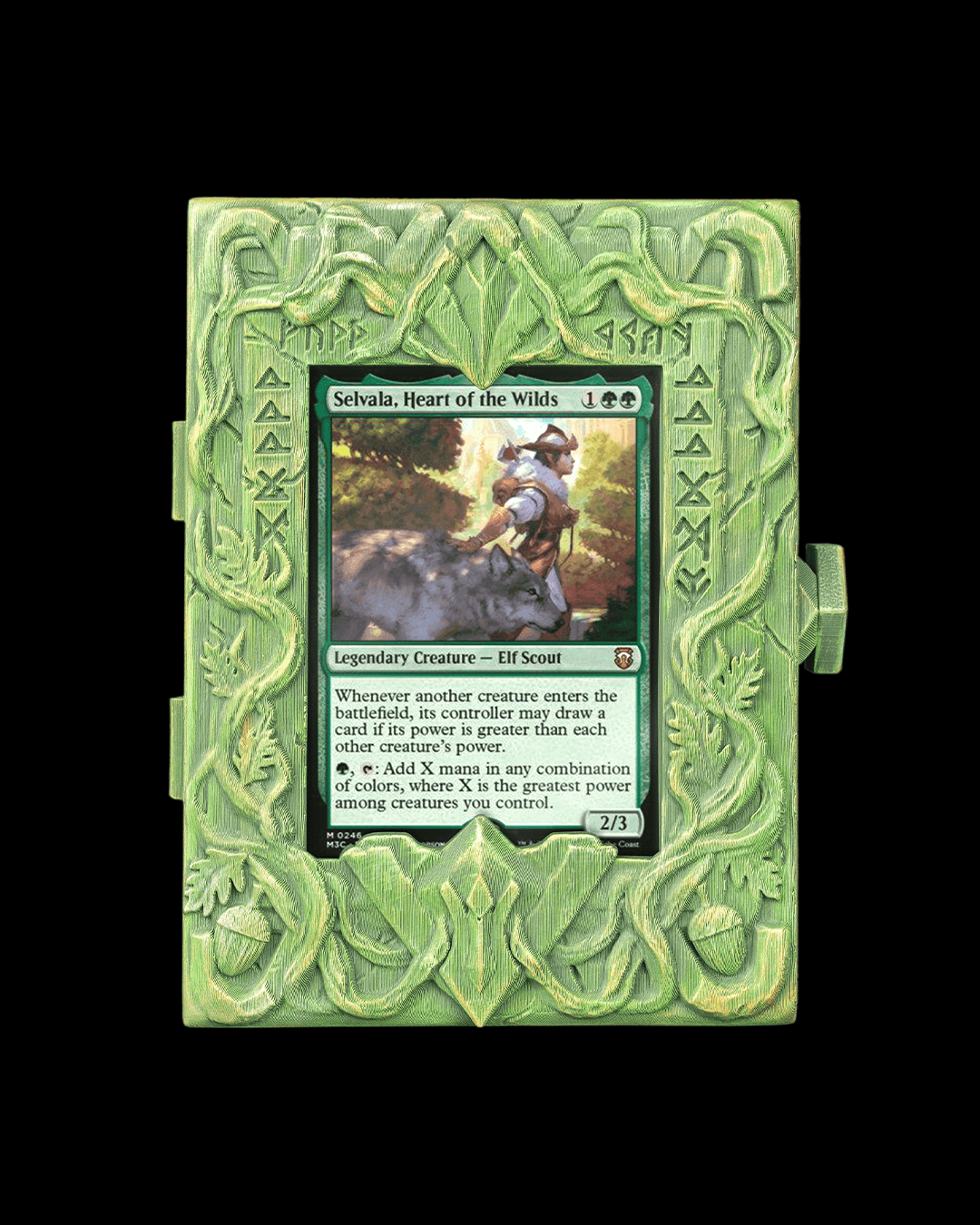

Why Izzet Specifically Got Better
The new cantrips and selection effects matter for prowess decks because they multiply existing payoffs rather than replacing them. A free trigger off a one-mana spell is worth more in a deck that already has six prowess creatures than a flashy four-mana payoff is to a deck that does not. That is why upgrading Izzet right now is mostly about replacing your weakest interactive slots with the new tighter options, not rebuilding the deck around new mythics.
The same logic applies to Izzet Lessons and the Spellementals shells. Both archetypes lean on chaining cheap spells into bigger payoffs, and Strixhaven gave them better velocity at the start of the chain. If you already play one of these decks, the upgrade path is incremental — not a rebuild.
Shift Two: Landfall and Ramp Got a Real Upgrade
Mono-Green Landfall and the Bant or Selesnya Rhythm shells were already meaningful presences before the set dropped, and Strixhaven added another layer of explosive mana and trigger multiplication. The result is a format where “one big turn” decks are now significantly more reliable, which changes how everyone else has to play. You cannot assume you have until turn six or seven to stabilise — the green deck is already representing a 30-power swing on turn five with the right opener.
This is where understanding engine-building game design actually pays off. Landfall and Rhythm decks operate on the same principle as the strongest engine builders in the tabletop world: each piece individually looks fine, but once the full chain comes online the value generation outpaces what any reactive plan can answer. The new set tightened those chains.
What “Cleaner Ramp” Means in Practice
Ramp shells used to lose games because they had to spend turns one and two on tap-lands and dorks that died to one-mana removal. Strixhaven added enablers that survive better, trigger landfall more reliably, and protect a built board. That changes the calculation on every single removal slot in the format — if your two-mana removal cannot kill a key landfall enabler, you are paying full price for a card that does nothing.
The corollary for ramp pilots: do not over-correct toward bigger mythic finishers. The deck wins because it gets there fast, not because the top end is enormous. Use the new cards to tighten the early game, not to inflate the curve.
Shift Three: The Format Punishes Slow Stabilisation
Across the top decks, the through-line is tempo. Spell decks are pressuring life totals on turn three. Landfall is representing lethal on turn five. Even the slower decks like Dimir Excruciator are now built around inevitability rather than late-game value, because the format does not give you twelve turns to grind anyone out anymore.
When games actually end in post-Strixhaven Standard
Median game length by archetype. The control plan needs to stabilise on turn six against decks that are representing lethal on turn five.
Top decks close games on turn five or six. If your stabilising turn is later than that, you are losing to decks that already won — your interaction needs to be cheaper, or your clock needs to be earlier.
Reactive decks have not died — they are just on a tighter clock. If your control or midrange list still has a five-mana sweeper as a default answer, you are losing games to decks that have already won by the time you cast it. The good control lists post-Strixhaven are leaning on cheaper, more flexible interaction and trimming the late-game cards that used to be untouchable staples.
Sideboarding Got Harder
The other thing this tempo shift did was make sideboards more demanding. You used to be able to dedicate three or four slots to one matchup; now those slots have to flex across two or three matchups because you simply do not have time to draw the right one game two. Cards that punish multiple strategies — efficient graveyard hate that also pressures life, removal that draws a card, threats that double as answers — are doing more lifting than dedicated silver bullets.
This is one place where MTG Arena thinking parallels broader deck-building strategy in tabletop games. The decks doing well are the ones where every card pulls weight in multiple game states, rather than the ones loaded with situational power.
Cards That Looked Huge but Have Not Found a Home
Spoiler season had everyone screenshotting Emeritus of Ideation, Muse Seeker, and Tablet of Discovery. Three weeks later, none of these are showing up in winning decklists in any meaningful share. The reason is consistent: they all need setup, and the format does not give you setup turns anymore.
Emeritus of Ideation needs a board that survives long enough to generate value. Muse Seeker needs you to be ahead on cards. Tablet of Discovery needs the game to last past turn six. None of those are bad conditions in a vacuum, but in a format where the average game ends on turn six or seven, “needs the late game” is functionally the same as “does not work.”
When These Cards Could Break Out
The format will not stay this fast forever. As decks tune their sideboards, sweepers improve, and more efficient interaction enters the format through future sets, the tempo decks will slow down half a step — and that is exactly the window where the build-around payoffs become viable. If you are sitting on the wildcards and like one of these cards on rate, save them. Just do not craft them expecting to slot into a winning deck this week.
The Erode-style interaction and the larger paradigm cards are in the same category. Excellent in a slower format, currently underwhelming, and worth tracking rather than crafting.
Cards That Quietly Took Over
The cards actually defining the metagame are mostly commons and uncommons, which is exactly what spoiler hype always misses. Burst Lightning, Stock Up, and Sleight of Hand are doing enormous work in spell decks. Escape Tunnel and Fabled Passage are the backbone of every landfall list. None of these are flashy. All of them are everywhere.
This is the most important practical takeaway from the set: the cards you actually need to play to compete are the cheap, efficient, role-player slots, not the mythics. If you are budgeting wildcards, prioritise the four-ofs that show up in three different archetypes before you craft a single copy of any new mythic. The mythics get refunded if they break out later. The role-players quietly win games right now.
The “Glue Card” Pattern
Every shifted format has the same pattern: a few cheap, flexible, near-invisible cards become the new format glue. They are not exciting to open and they are not the cards anyone tweets about, but they are in every winning sixty. Recognising those cards early is one of the highest-EV things you can do as a Standard player.
It is also a useful filter for spoiler season generally. When the next set drops, ignore the big mythic with the wall of text and look at the one-mana instants and the unassuming two-drops with two relevant words on them. Those are the cards that will define the next metagame shift.
Which Existing Archetypes Benefited Most
Five archetypes got meaningfully better with Secrets of Strixhaven, and the upgrade path looks different for each one.
Standard meta share: before vs after Strixhaven
Win-rate share of top six archetypes in MTG Arena Standard. Bars show pre-set baseline against current post-set share.
Izzet Prowess gets cleaner spell velocity and slightly better burn options, so the upgrades are mostly cuts to your weakest interactive slot in favour of the new efficient pieces. Do not overhaul the deck — just tighten it.
Mono-Green Landfall gets another huge payoff and an additional reliable enabler. The temptation is to add more big finishers, but that is the wrong move. The upgrades that matter are the ones that make turn three more reliable, not the ones that make turn seven splashier.
Izzet Lessons and Izzet Spellementals get upgraded spell packages that shore up consistency. These decks were always one or two cards short of being tier one, and Strixhaven might have closed that gap. Worth testing this week if you have the wildcards to spare.
Bant and Selesnya Rhythm gain flexibility through new tutorial-style creatures and one-card bursts. The upgrade philosophy here mirrors landfall: tighten the early game, do not inflate the top.
Dimir Excruciator-style decks did not gain much directly, but they kept their late-game inevitability while the format around them got faster. That is not a buff, but it is also not a death sentence — the deck still wins games by being unfair on turn eight, which is one turn before most opponents have stabilised.
Archetype upgrade summary: Secrets of Strixhaven
Five existing Standard archetypes that gained meaningful upgrades. Wildcard cost reflects rares and mythics needed to bring an existing list to current tuned form.
| Archetype | What it gained | Upgrade priority | Wildcards |
|---|---|---|---|
|
Izzet Prowess
Tier 1
|
Cleaner spell velocity, tighter burn options, better one-mana selection | Trim weakest interaction slots — do not rebuild |
2–4
rares mostly
|
|
Mono-Green Landfall
Tier 1
|
New explosive payoff, more reliable enablers, trigger multipliers | Tighten turns 1–3 — do not inflate the top end |
4–6
incl. 1–2 mythic
|
|
Izzet Lessons / Spellementals
Tier 1.5
|
Upgraded spell packages, better consistency, new chain payoffs | Worth testing this week if wildcards allow |
6–8
rare-heavy
|
|
Bant / Selesnya Rhythm
Tier 1.5
|
Tutorial-style creatures, one-card bursts, more flexible value pieces | Same as landfall — focus on early game reliability |
5–7
incl. 1 mythic
|
|
Dimir Excruciator
Tier 2
|
No direct gains, but kept inevitability while the format around it sped up | Hold position — re-evaluate after meta settles |
0–1
no rebuild needed
|
Wait one full week before crafting anything that costs three or more wildcards. Week-one lists are usually wrong; week-three lists are usually correct. The cheap commons and uncommons that show up across multiple archetypes are the format glue — craft those first.
How to Update Without Burning Wildcards
The single best piece of advice for updating your deck after a set drop is to wait one full week before crafting anything that costs three or more wildcards. The week-one lists are always wrong in some way, and the week-three lists are usually correct. If a card is genuinely a four-of staple, it will still be a four-of staple in seven days, and you will have a clearer picture of which version of which deck is actually best.
The cards you can craft confidently are the cheap commons and uncommons that show up across multiple archetypes. Those are nearly free in wildcard terms, they hold value across deck shifts, and they are the format’s actual glue.
What to Watch in the Coming Weeks
Three questions will define the next phase of the format. Will Izzet Prowess stay above 20% of the winner’s metagame as people start packing more sweepers and cheap interaction in their sideboards? Can Mono-Green Landfall keep pace once decks figure out which of the new ramp enablers actually need to be answered? And can a true control or flash-based deck punish the overextension that fast decks are getting away with right now?
The answer to all three is probably “partially,” and the format will land somewhere with three or four real tier-one decks rather than one dominant archetype. That is the healthy version of post-set Standard, and Strixhaven seems to have nudged the format toward it rather than away from it.
Until that settles, the best thing you can do is play one deck — yours — until you know its sideboard cold. Switching archetypes every weekend in a shifting format is the fastest way to lose rank. The pilots climbing right now are the ones who picked one of the upgraded archetypes on day three and have been tuning the same seventy-five ever since.
Closing Thought
Set impact is rarely about the cards that broke the format. It is about which already-good decks got slightly better, which slightly-too-slow decks got pushed out, and which strategic axes the format now rewards. Secrets of Strixhaven did all three, and the players who recognise that early are the ones converting it into ladder rank.
If you have been on the fence about which archetype to commit to, the answer this week is: pick one of the five upgraded shells, craft only the cheap glue, and tune the sideboard for tempo rather than late-game grind. Come back in three weeks and the picture will be clearer — but the cards you crafted this week will still be in the deck.
What is your read on the post-Strixhaven metagame so far? Are you sticking with a deck that got upgraded, or jumping to something new? Drop a comment and let me know which archetype you think will define the next month of Standard.
Continue Your Journey
If you enjoy thinking about deck construction and engine design, our guide to the best deck-building board games explores the same principles applied to the tabletop side of the hobby.
For more on how engines, payoffs, and enablers interact in long-form strategy games, the engine-building games breakdown covers the design pattern that shows up in everything from Wingspan to Magic.
Players who like the head-to-head intensity of Standard often enjoy our best two-player strategy games guide — many of the same skills around tempo, threat assessment, and resource management transfer directly.
If you are between Magic sessions, the deck-building rules and strategies primer is a useful refresher on the fundamentals that apply across every card game.
And for the broader strategy reader, our worker placement games piece digs into another genre where every action has to pull double duty — the same principle that is reshaping Standard right now.
Want strategy breakdowns like this one delivered straight to your inbox? Subscribe to the Everything Is A Game newsletter for weekly deep-dives on Standard, board game strategy, and the next set’s biggest shifts before they happen.