
As an Amazon Associate I earn from qualifying purchases and sometimes recommend products from other sellers at no extra cost you. For more details see my disclosure policy and privacy policy.
Deck building represents one of the most brilliant innovations in modern board gaming. Unlike traditional card games where you start with a fixed deck, deck builders let you craft and refine your strategy as you play. Each game becomes a unique puzzle of synergies, timing, and adaptation that keeps even experienced players coming back for more.
What makes deck building so appealing to strategy gamers? The mechanic perfectly balances accessibility with depth. New players can grasp the basic concept quickly, while veterans discover layers of optimization that reward careful planning and tactical flexibility. Every card you acquire changes your future options, creating a satisfying feedback loop of improvement and refinement.
These ten games represent the essential experiences every strategy gamer should explore. From the foundational classic that started it all to modern innovations that push the boundaries of what deck building can accomplish, each offers something unique for your gaming collection.
1. Dominion (2008)
Designer: Donald X. Vaccarino
Publisher: Rio Grande Games
Players: 2-4
Play Time: 30 minutes
Dominion didn’t just popularize deck building—it invented the entire genre. This medieval-themed game strips away unnecessary complexity to focus purely on the strategic decisions that make deck building compelling. Players start with identical small decks and purchase new cards from a shared market to improve their engines and accumulate victory points.

The game’s brilliance lies in its modular design. With over 30 different Kingdom card sets in the base game alone, every session feels fresh. You might focus on aggressive attacks in one game, then shift to engine building with action chains in the next. This variety ensures that mastering Dominion requires understanding multiple strategic approaches rather than memorizing a single optimal path.
For strategy gamers, Dominion offers the purest deck-building experience available. Without boards, miniatures, or additional mechanics to distract from core decisions, every choice matters. The learning curve rewards both tactical thinking and long-term planning, making it perfect for players who enjoy games like Catan but want something more focused on engine optimization.
Perfect for: Players who appreciate elegant design and want to understand deck building fundamentals.
2. Star Realms (2014)
Designer: Robert Dougherty, Darwin Kastle
Publisher: Wise Wizard Games
Players: 2 (expandable to 6)
Play Time: 20 minutes
Star Realms takes deck building into space combat with a streamlined approach that’s both fast and surprisingly deep. Players command competing space fleets, purchasing ships and bases from a shared trade row to build their armadas. Unlike many deck builders that focus on victory points, Star Realms uses direct player combat—you’re literally trying to reduce your opponent’s authority (health) to zero.
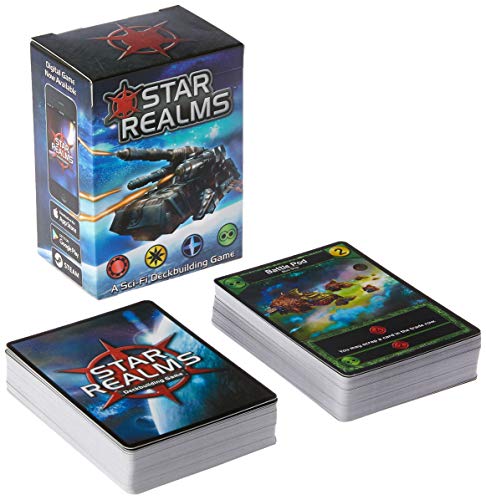
The four factions each offer distinct strategies. The Trade Federation provides defensive options and healing, while the Machine Cult focuses on aggressive card removal and efficiency. Combining cards from the same faction triggers powerful ally abilities, creating interesting decisions about specialization versus diversification.
What sets Star Realms apart is its perfect balance of strategy and interaction. Games stay tense throughout because a well-timed assault can dramatically shift momentum. The compact format makes it incredibly portable, and the digital version offers excellent practice against AI opponents or online players.
Perfect for: Gamers who enjoy head-to-head conflict and want quick but meaningful strategic battles.
3. Clank! (2016)
Designer: Paul Dennen
Publisher: Renegade Game Studios
Players: 2-4
Play Time: 45-60 minutes
Clank! revolutionized deck building by adding a dungeon-crawling board game element. Players are thieves exploring an underground lair, using their decks to move through tunnels, fight monsters, and steal artifacts. The twist? Making noise (clank) attracts the dragon’s attention, adding constant tension to every decision.
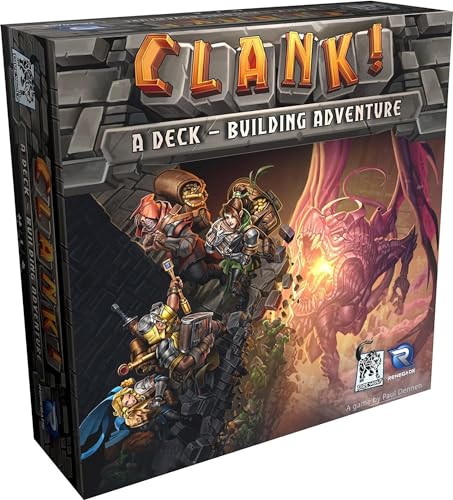
The integration between deck building and board movement feels completely natural. Skill cards provide movement points, attack strength, and special abilities, while acquired cards often synergize with specific dungeon areas or challenges. Managing your deck composition becomes essential for navigating deeper levels and escaping with valuable treasures.
Clank! succeeds because it makes deck building feel like an adventure rather than an abstract optimization puzzle. The dragon track creates genuine urgency—stay too long or make too much noise, and you might not survive the escape. This dynamic keeps games exciting even when players have different risk tolerances or skill levels.
The game shares DNA with dungeon crawlers like Gloomhaven, but with much faster setup and play time. Multiple expansions add new maps and mechanics without overwhelming the core experience.
Perfect for: Adventure gaming fans who want deck building with theme and exploration elements.
4. Ascension (2010)
Designer: Justin Gary, Rob Dougherty, Brian Kibler, John Fiorillo
Publisher: Stone Blade Entertainment
Players: 2-4
Play Time: 30 minutes
Ascension brings the energy and feel of collectible card games to deck building format. Set in a fantasy world where players recruit heroes and defeat monsters, the game emphasizes rapid card cycling and explosive combo turns. The shared center row of available cards creates dynamic market conditions that reward adaptability over rigid planning.
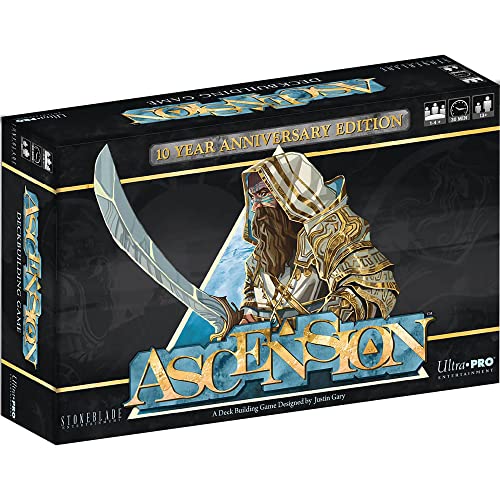
Two key resources drive the game: runes for recruiting heroes and power for defeating monsters. Many cards provide both, but specializing in one direction often yields better results. The faction-based approach means certain cards work better together, encouraging players to identify profitable synergies quickly.
The game’s tempo feels faster and more chaotic than other deck builders. Cards frequently trigger additional effects or provide bonus resources, leading to satisfying chain reactions. Victory points accumulate quickly in the late game, creating exciting finishes where a single turn can determine the winner.
For players familiar with deck building strategies, Ascension rewards aggressive deck thinning and focus. The random center row means flexibility trumps planning, making it perfect for gamers who prefer tactical adaptation to long-term strategy.
Perfect for: Players who enjoy fast-paced games with combo potential and variable setups.
5. Legendary: A Marvel Deck Building Game (2012)
Designer: Devin Low
Publisher: Upper Deck Entertainment
Players: 1-5
Play Time: 45 minutes
Legendary transforms deck building into cooperative superhero action. Players recruit Marvel heroes to their teams, working together to defeat a villain’s scheme before it succeeds. Each hero offers unique abilities that encourage different strategic approaches, from Spider-Man’s web-slinging versatility to Hulk’s raw destructive power.
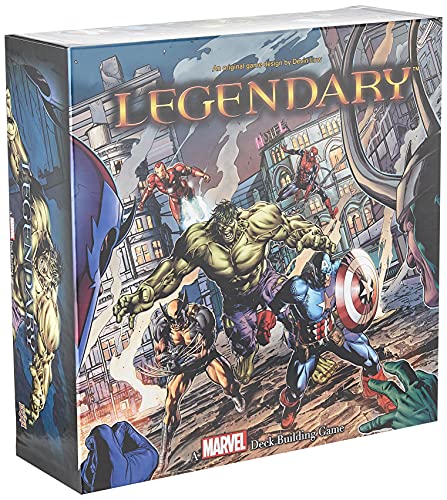
The cooperative element completely changes deck building dynamics. Instead of competing for the strongest cards, players must coordinate their purchases to handle specific threats effectively. The villain deck provides constant pressure through scheme twists and villain attacks, creating genuine tension that pure engine-building games often lack.
Hero synergies run deep in Legendary. Many cards become significantly more powerful when combined with specific teammates, encouraging players to specialize in particular Marvel teams or hero types. This creates natural replay value as different hero combinations unlock new strategic possibilities.
The game excels at capturing the feel of comic book battles. Fighting iconic villains like Doctor Doom or Loki while commanding teams of legendary heroes creates memorable moments that transcend typical deck building experiences. For fans of cooperative games, Legendary offers strategic depth without the social tension of competitive play.
Perfect for: Superhero fans and players who prefer cooperative challenges to head-to-head competition.
6. Aeon’s End (2016)
Designer: Kevin Riley
Publisher: Action Phase Games
Players: 1-4
Play Time: 60 minutes
Aeon’s End takes cooperative deck building into dark fantasy territory where players control breach mages defending the last human city from otherworldly nemeses. What immediately sets it apart is the lack of deck shuffling—cards stay in the order you discard them, adding a layer of tactical planning absent from other deck builders.
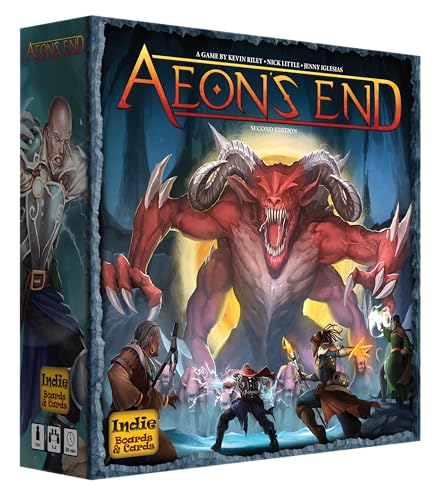
This fixed discard order creates fascinating strategic decisions. Powerful spells become even more valuable when you can predict exactly when they’ll return to your hand. Players must think several turns ahead, positioning their discards to create optimal sequences for crucial moments.
The nemesis opponents provide asymmetric challenges that require different strategic approaches. Some focus on direct damage while others manipulate player cards or create ongoing effects. Each nemesis feels like solving a unique puzzle that rewards careful coordination and timing.
Character breach mages offer distinct play styles through their unique starting cards and abilities. Learning to maximize each mage’s strengths while covering their weaknesses adds significant depth to team composition decisions. The game rewards specialization while maintaining the need for tactical flexibility.
Perfect for: Strategy gamers who want deeper tactical control and enjoy cooperative puzzle-solving.
7. Mage Knight (2011)
Designer: Vlaada Chvátil
Publisher: WizKids
Players: 1-4
Play Time: 60-240 minutes
Mage Knight represents the most complex and ambitious entry on this list. Players control powerful mage knights exploring a fantasy realm, using deck building to power movement, combat, and exploration across a modular board. The game combines deck building with hex-and-counter wargaming, creating an epic adventure experience.

The deck building mechanics integrate seamlessly with exploration and combat. Cards provide multiple options—a fire spell might offer movement points, attack strength, or magical influence depending on how you play it. Advanced actions require combining multiple cards, creating puzzle-like optimization challenges.
Combat feels tactical and strategic simultaneously. Players must consider enemy abilities, terrain effects, and their current hand composition when planning attacks. The day/night cycle adds another layer, as some cards become more powerful during specific times.
Solo play deserves special mention—Mage Knight provides one of the best single-player board game experiences available. The AI-driven exploration and combat create genuine surprises while maintaining perfect information for strategic planning.
Perfect for: Experienced gamers who want the most complex and thematic deck building experience possible.
8. Thunderstone Quest (2018)
Designer: Mike Elliott
Publisher: AEG
Players: 2-4
Play Time: 45-90 minutes
Thunderstone Quest modernizes the classic dungeon-delving deck builder with refined mechanics and improved pacing. Players recruit adventurers and acquire equipment to form parties capable of exploring increasingly dangerous dungeon levels. The game balances traditional deck building with tactical combat and character progression.
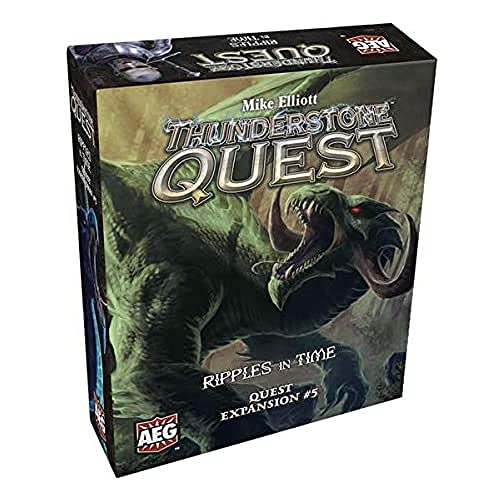
The quest system provides structure and goals beyond simple optimization. Each quest offers specific challenges and rewards that influence strategic decisions. Some quests reward rapid exploration while others emphasize careful preparation and powerful equipment.
Party composition becomes crucial as different dungeon levels require specific capabilities. Fighters excel at dealing damage but need support from clerics and wizards for healing and magical attacks. Equipment cards modify character abilities, creating interesting decisions about resource allocation.
The game addresses common deck building issues through elegant design choices. Curses and wounds naturally leave your deck over time, reducing the frustration of permanent penalties. The village board provides multiple purchasing options each turn, maintaining meaningful choices throughout the game.
Perfect for: Fantasy fans who want structured goals and character progression in their deck building.
9. 51st State: Master Set (2016)
Designer: Ignacy Trzewiczek
Publisher: Portal Games
Players: 1-4
Play Time: 45-60 minutes
Set in a post-apocalyptic world, 51st State combines deck building with tableau building as players rebuild civilization from the ruins. Cards can be used in multiple ways—built as locations, activated for immediate effects, or converted into resources. This flexibility creates constantly interesting decisions about optimal card usage.
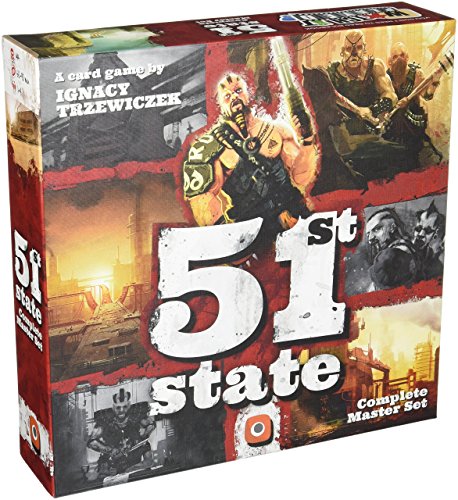
The faction system provides asymmetric starting positions that encourage different strategic approaches. The Mutant faction excels at aggressive expansion, while the Hegemony focuses on technological superiority. Learning to maximize each faction’s strengths adds significant replay value.
Resource management integrates seamlessly with deck building decisions. Building locations provides ongoing benefits but requires specific resources, while activating cards for immediate effects helps with short-term needs. Balancing these competing demands creates engaging optimization puzzles.
The post-apocalyptic theme permeates every aspect of gameplay. Converting ruined buildings into functional locations feels thematically appropriate, while the artwork and card names reinforce the setting effectively. For players who enjoyed the strategic depth of games like 7 Wonders, 51st State offers similar tableau building with more direct player interaction.
Perfect for: Players who enjoy resource management and want deck building with strong thematic integration.
10. The Quest for El Dorado (2017)
Designer: Reiner Knizia
Publisher: Ravensburger
Players: 2-4
Play Time: 30-60 minutes
The Quest for El Dorado brings Reiner Knizia’s elegant design philosophy to deck building. Players race across South American terrain using expedition cards that provide movement through different landscape types. The game strips away complexity to focus on pure strategic efficiency and route optimization.
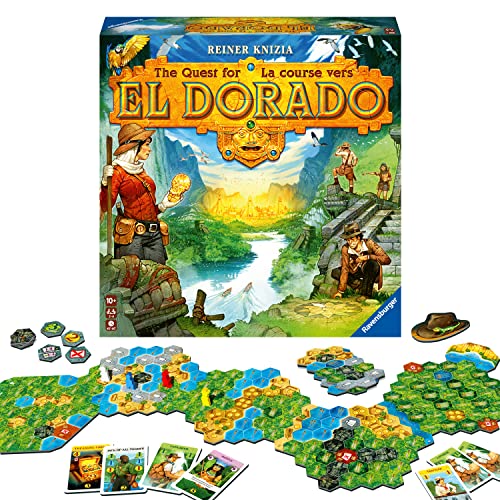
Movement costs create interesting economic decisions. Traveling through jungles requires machetes, while rivers need paddles. Players must balance deck composition against route planning, deciding whether to specialize in specific terrain types or maintain flexibility for various paths.
The racing element adds constant pressure absent from many deck builders. While other players optimize their engines, you’re also monitoring their progress and adjusting your route accordingly. Blocking opportunities exist but never feel mean-spirited or overly aggressive.
Multiple maps provide different strategic challenges while maintaining the same core mechanics. Some maps reward early speed while others favor careful preparation and powerful late-game turns. This variety ensures that mastering the game requires understanding multiple strategic approaches.
Perfect for: Players who prefer streamlined mechanics and enjoy racing games with strategic depth.
Strategic Insights: Mastering Deck Building Games
Successful deck building requires understanding several key principles that apply across most games in the genre:
Deck Composition Matters: Thin, focused decks typically outperform large, unfocused ones. Every card you add should serve a clear purpose in your overall strategy. Random utility cards often hurt more than they help by diluting your deck’s effectiveness.
Timing Is Everything: Knowing when to transition from deck building to victory point accumulation separates good players from great ones. Most games reward players who can identify this pivot point and execute the transition efficiently.
Synergy Multiplies Power: Cards that work well together create exponential value improvements. Look for faction bonuses, combo potential, and cards that enhance your existing strategy rather than simply adding raw power.
Adapt to Opposition: The best deck builders remain flexible enough to adjust their strategy based on what opponents are doing. Rigid planning often fails when the card market or player actions don’t match your expectations.
These principles apply whether you’re exploring solo games under $50 or organizing board games for big groups. The strategic thinking skills transfer across different gaming contexts and player counts.
Frequently Asked Questions
What defines a deck building game? Deck building games start all players with identical small decks that they improve during play by purchasing new cards from a shared market. This differentiates them from collectible card games where players construct decks before the game begins.
How is deck building different from collectible card games? In deck builders, all players have access to the same cards during the game, and deck construction happens as part of gameplay. Collectible card games require players to own and build decks before playing, often creating advantages for those with larger collections.
What are the strategic keys to winning at deck building games? Focus on deck efficiency over raw power, identify profitable card synergies early, time your strategy transitions well, and adapt to changing game conditions rather than forcing predetermined plans.
Are there good solo or cooperative deck builders? Absolutely! Games like Aeon’s End, Legendary, and Mage Knight offer excellent solo experiences, while cooperative options provide strategic depth without competitive pressure.
Building Your Deck Building Collection
These ten games represent different approaches to deck building mechanics, ensuring variety in your gaming experiences. Start with Dominion or Star Realms to understand the fundamentals, then branch out based on your preferences for theme, complexity, and player interaction.
Whether you prefer the cooperative teamwork of Legendary, the tactical depth of Aeon’s End, or the thematic immersion of Clank!, each game offers unique strategic challenges that will enhance your appreciation for this brilliant mechanic.
Which of these deck builders sounds most appealing for your next game night? Have you discovered any hidden gems in the deck building genre that deserve wider recognition? Share your experiences and recommendations in the comments below!