
As an Amazon Associate I earn from qualifying purchases and sometimes recommend products from other sellers at no extra cost you. For more details see my disclosure policy and privacy policy.
You’ve mastered Ticket to Ride and dominated at Splendor. Your game nights have evolved from casual fun to genuine competition, and you’re ready for something with more depth. But staring at games like Terraforming Mars or Spirit Island feels like jumping from kiddie pool to Olympic diving.
What you need is the perfect bridge game – something that introduces strategic complexity without overwhelming your table. Gateway strategy games fill this crucial gap, offering meaningful decisions and replayability while remaining teachable and accessible.
What Makes the Perfect Gateway Strategy Game?
The transition from casual to complex gaming is where many players get lost. Too simple, and experienced players get bored. Too complex, and newcomers bounce off entirely. Gateway strategy games hit that sweet spot where everyone at the table stays engaged.
We selected these games using specific criteria that ensure your first complex gaming experience succeeds. Each recommendation scores between 2.5-3.5 on BoardGameGeek’s complexity scale, can be taught in under 15 minutes, and offers multiple paths to victory without analysis paralysis.
These games also scale well across different player counts and justify their investment through replayability. Most importantly, they build foundational skills that transfer to heavier strategy games down the road.
Gateway Strategy Games Quick Reference
Compare complexity, time, and player requirements at a glance
| Game | Players | Time | Complexity | Price | Best For |
|---|---|---|---|---|---|
| Euro Game Foundations | |||||
| Wingspan | 👥 1-5 | 40-70 min |
|
$60 | Engine building newcomers, nature lovers |
| Azul: Stained Glass | 👥 2-4 | 30-45 min |
|
$45 | Puzzle lovers, beautiful components |
| Century: Spice Road | 👥 2-5 | 30-45 min |
|
$40 | Abstract strategy fans, quick games |
| Thematic Strategy Adventures | |||||
| King of Tokyo: Power Up! | 👥 2-6 | 30 min |
|
$55 | Monster fans, competitive groups |
| Mansions of Madness | 👥 1-5 | 60-180 min |
|
$100 | Horror fans, cooperative play |
| Zombicide: Black Plague | 👥 1-6 | 60 min |
|
$80 | Fantasy fans, tactical combat |
| Strategic Thinking Builders | |||||
| Gizmos | 👥 2-4 | 40-50 min |
|
$45 | Satisfying components, engine building |
| Space Base | 👥 2-5 | 60 min |
|
$40 | Mixed groups, no downtime |
| Patchwork | 👥 2 | 30 min |
|
$25 | Couples, puzzle lovers, quick strategy |
Euro Game Foundations
European-style strategy games emphasize resource management, engine building, and indirect competition. These gateway euros introduce core concepts without overwhelming complexity.
Wingspan
Players: 1-5 | Time: 40-70 minutes | Complexity: 2.4/5
Wingspan transforms engine building – one of strategy gaming’s most important concepts – into an intuitive bird-watching experience. Instead of abstract resource cubes, you’re attracting beautiful birds to your wildlife preserves, each with unique abilities that create powerful combinations.

The game’s brilliance lies in its accessibility. Every action makes thematic sense: play bird cards, gain food, lay eggs, or draw more cards. New players grasp the basics immediately, but discovering optimal bird combinations and timing keeps experienced players engaged for dozens of games.
Wingspan teaches crucial strategy concepts like opportunity cost and engine optimization without feeling like homework. When you play a bird that lets you draw cards whenever opponents gain food, you’re learning about triggered abilities and combo building – skills that transfer directly to more complex euros.
The Oceania expansion adds nectar tokens and new birds without increasing complexity, extending the game’s lifespan significantly.
Perfect for: Nature lovers, players who enjoy building combinations, groups mixing experienced and new players.
Azul: Stained Glass of Sintra
Players: 2-4 | Time: 30-45 minutes | Complexity: 2.3/5
While the original Azul is already accessible, Stained Glass of Sintra adds just enough complexity to qualify as a true gateway strategy game. The spatial puzzle elements and glazier track create more interesting decisions while maintaining the satisfying tile-drafting core.

Unlike its predecessor, Sintra introduces resource management through colored glass panes and glazier movement. These additions create multiple scoring paths and prevent the runaway leader problems that sometimes plague the original. You’ll need to balance immediate point scoring with long-term pattern building.
The production quality remains exceptional, with chunky tiles that feel substantial and a modular board that ensures every game feels different. Teaching time stays under 10 minutes for players familiar with the original Azul.
Perfect for: Fans of the original Azul seeking more complexity, puzzle lovers, players who enjoy tactical decisions with beautiful components.
Century: Spice Road
Players: 2-5 | Time: 30-45 minutes | Complexity: 2.0/5
Century: Spice Road distills engine building to its purest form. You’re trading spices through a caravan route, using merchant cards to convert basic spices into valuable combinations. The mechanics are clean and elegant, making this an ideal introduction to deck building and resource conversion.
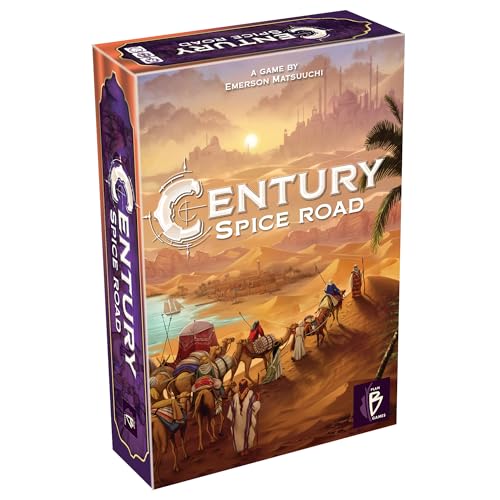
What makes Century special is its multiple paths to victory. Aggressive players can rush for quick points with basic spice combinations. Patient builders can construct powerful conversion engines for late-game efficiency. Most games reward a balanced approach, teaching new players about strategic timing and adaptation.
The game scales beautifully from 2 to 5 players without rule changes, and setup takes less than two minutes. Games rarely exceed 45 minutes, preventing the fatigue that can kill enthusiasm for complex games.
Century works particularly well as a gateway deck building game, introducing card acquisition and hand management without overwhelming complexity.
Perfect for: Abstract strategy fans, families wanting more depth than typical gateway games, groups with limited time.
Thematic Strategy Adventures
These games combine engaging themes with strategic depth, using story and atmosphere to ease players into complex decision-making.
King of Tokyo: Power Up! Expansion
Players: 2-6 | Time: 30 minutes | Complexity: 2.2/5
King of Tokyo with the Power Up! expansion represents the perfect evolution of a great gateway game. The base game’s dice-rolling monster combat is already addictive, but the expansion adds evolution cards that introduce deck building and character specialization without overwhelming new players.

Each monster now has a unique evolution deck, creating distinct strategies and encouraging replayability. Tokyo’s king-of-the-hill mechanics teach area control concepts, while the dice combinations introduce probability management and risk assessment – crucial skills for heavier strategy games.
The game’s shorter play time prevents analysis paralysis, and the constant interaction keeps everyone engaged. Even eliminated players typically want to jump into another game immediately, making it perfect for introducing competitive strategy concepts.
Power Up! evolution cards add just enough complexity to satisfy experienced players while maintaining the accessibility that makes King of Tokyo a modern classic.
Perfect for: Monster movie fans, competitive groups, players who enjoy dice-based combat with meaningful choices.
Mansions of Madness: Second Edition
Players: 1-5 | Time: 60-180 minutes | Complexity: 2.8/5
Mansions of Madness eliminates the biggest barrier to complex gaming: rules overhead. The companion app handles all the fiddly bits, letting players focus on exploration, investigation, and tactical combat without getting bogged down in reference manuals.
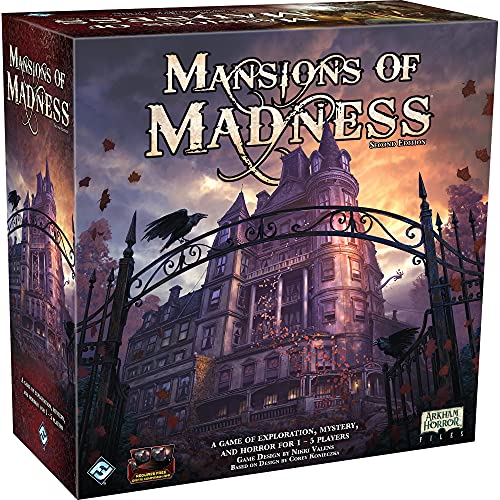
The Lovecraftian horror theme draws players into the experience, making complex decisions feel natural. When you’re investigating a haunted mansion, spending time analyzing optimal movement patterns doesn’t feel like work – it feels like survival.
Cooperative play reduces competitive pressure while introducing strategic concepts like action economy, resource management, and risk mitigation. Players learn to coordinate abilities and plan efficient turns without the stress of direct competition.
The modular board and app-driven scenarios provide tremendous replayability. Each investigation feels genuinely different, with branching storylines and randomized events that prevent optimal strategies from emerging.
Perfect for: Horror fans, cooperative gaming groups, players who want narrative engagement with their strategy.
Zombicide: Black Plague
Players: 1-6 | Time: 60 minutes | Complexity: 2.6/5
Black Plague transforms zombie survival into an accessible tactical experience. The medieval fantasy setting feels more approachable than modern military themes, while the cooperative gameplay eliminates competitive pressure for new strategy gamers.
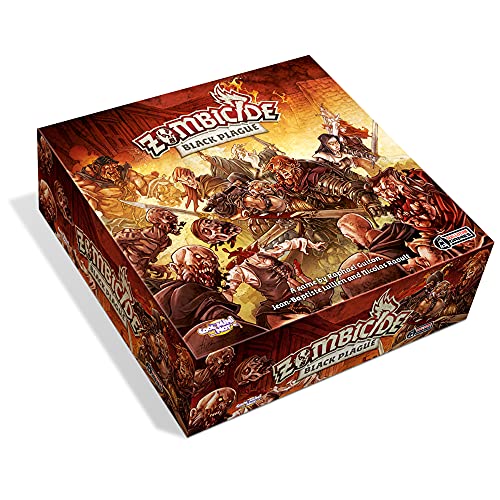
The game teaches crucial tactical concepts like positioning, resource allocation, and team coordination. Players must balance character advancement with zombie threat levels, introducing risk management and long-term planning. The equipment upgrade system provides satisfying progression that mirrors RPG mechanics.
What makes Black Plague special is its scalable difficulty. Early scenarios ease players into the mechanics, while later missions demand sophisticated tactical thinking. The modular board system ensures each game feels fresh, preventing strategy guides from solving the puzzle permanently.
The miniatures are exceptional quality, creating an immersive tabletop experience that hooks players into the hobby. Component quality often determines whether casual players make the jump to serious gaming.
Perfect for: Fantasy fans, groups that prefer cooperation over competition, players who enjoy tactical miniature games.
Strategic Thinking Builders
These games focus on pure strategic mechanics without heavy themes, perfect for players who want to develop analytical thinking skills.
Gizmos
Players: 2-4 | Time: 40-50 minutes | Complexity: 2.8/5
Gizmos combines satisfying physical mechanics with engine building strategy. The marble dispenser isn’t just eye candy – it creates a tactile connection that helps new players understand resource management concepts intuitively.
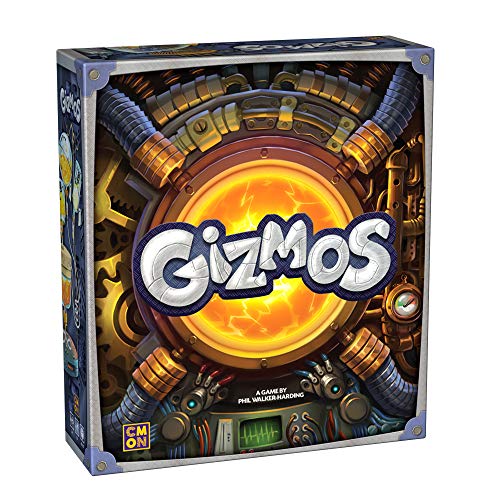
The game teaches engine building through four distinct actions: file (save marbles), pick (gain energy), build (create engine pieces), and research (find better gizmos). Each gizmo triggers on specific actions, creating cascading combinations that feel magical when they fire correctly.
What separates Gizmos from simpler engine builders is the upgrade system. Level 1 gizmos provide basic benefits, while Level 3 gizmos offer game-changing abilities. This creates natural progression and prevents early leaders from running away with games.
The energy conversion system introduces resource management without complex trading rules. Players learn to evaluate short-term gains versus long-term engine development – a crucial skill for heavier strategy games.
Perfect for: Players who enjoy satisfying physical components, engine building newcomers, groups that appreciate clever mechanical integration.
Space Base
Players: 2-5 | Time: 60 minutes | Complexity: 2.4/5
Space Base solves one of gateway gaming’s biggest problems: player downtime. Every dice roll affects every player, keeping everyone engaged throughout the entire game. This makes it perfect for introducing strategy concepts to players accustomed to party games.

The tableau building teaches resource management and long-term planning. Players must decide whether to upgrade ships for immediate benefits or save for powerful late-game acquisitions. The dice probability system introduces mathematical thinking without requiring complex calculations.
Ship abilities create engine-like combinations without the complexity of traditional engine builders. New players can focus on obvious upgrades while experienced players optimize probability curves and combo potential.
The game’s variable setup ensures each game feels different. Random ship availability prevents memorized strategies while maintaining strategic depth through adaptation and flexible planning.
Perfect for: Groups with mixed experience levels, players who dislike downtime, fans of dice-based games seeking more strategy.
Patchwork
Players: 2 | Time: 30 minutes | Complexity: 2.3/5
Patchwork distills strategic gaming to its essence: meaningful choices under pressure. The Tetris-like puzzle combined with economic resource management creates a perfect introduction to competitive strategy gaming for couples.
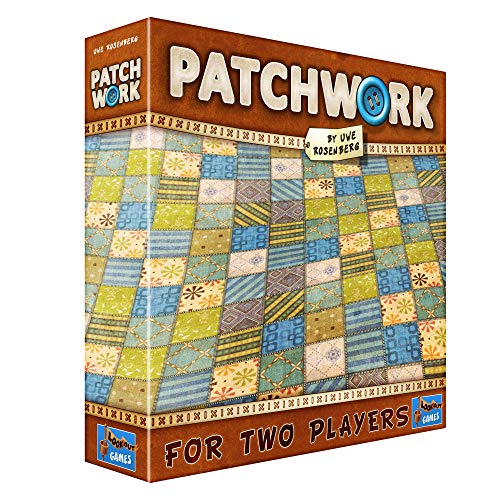
The time track system teaches opportunity cost beautifully. Choosing larger, more expensive pieces advances your position on the time track, giving your opponent more turns. This creates fascinating risk-reward calculations that get more complex as players improve.
Button income provides economic engine building in miniature form. Players must balance immediate puzzle-solving with long-term income generation. The 7×7 completion bonus adds another layer of strategic consideration without overwhelming new players.
Despite its simple appearance, Patchwork supports deep strategic thinking. Advanced players consider button efficiency, time track positioning, and opponent blocking – skills that transfer directly to heavier two-player games.
Perfect for: Couples seeking strategic depth, puzzle lovers, players who want quick but meaningful gaming sessions.
Quick Decision Guide
By Player Preference
Love Beautiful Components: Wingspan, Azul: Stained Glass of Sintra The production quality in these games helps justify the investment and creates memorable first impressions.
Want Cooperative Experience: Mansions of Madness, Zombicide: Black Plague Cooperation reduces competitive pressure while teaching strategic concepts through teamwork.
Prefer Competitive Play: King of Tokyo: Power Up!, Space Base Direct competition with enough randomness to prevent runaway leaders.
Limited Time Available: Patchwork, Century: Spice Road Both games deliver strategic depth in 30-45 minutes without feeling rushed.
Budget Conscious Options: Patchwork ($25), Century: Spice Road ($30) Maximum strategic value at accessible price points.
By Gaming Background
Video Game Players: Mansions of Madness, Zombicide: Black Plague App integration and fantasy themes create familiar entry points for digital natives.
Puzzle Lovers: Azul: Stained Glass of Sintra, Gizmos Spatial reasoning and pattern recognition transfer naturally to these games.
Card Game Players: Century: Spice Road, King of Tokyo: Power Up! Hand management and deck building concepts bridge from traditional card games.
By Group Composition
Large Groups (5-6 players): King of Tokyo: Power Up!, Space Base Both games maintain engagement across higher player counts.
Couples Gaming: Patchwork, Wingspan Perfect two-player experiences that scale to larger groups when needed.
Mixed Experience Levels: Century: Spice Road, Gizmos Simple rules with deep strategy accommodate both casual and serious players.
What We Didn’t Include
Several popular games almost made this list but fell short of our gateway criteria for specific reasons:
Catan remains too dice-dependent for strategy-focused players. Trading negotiations can become awkward with new groups, and the robber mechanics sometimes feel punitive rather than strategic.
Pandemic suffers from quarterbacking issues where experienced players dominate decision-making. While cooperatives are great for new players, Pandemic’s optimal play style can exclude rather than include newcomers.
7 Wonders card drafting confuses players unfamiliar with the concept. The simultaneous play is brilliant for experienced groups but overwhelming for gateway situations.
Lords of Waterdeep worker placement mechanics feel too abstract without strong thematic connections. The intrigue cards add chaos that undermines strategic planning for newcomers.
These games are excellent in the right context but don’t provide the smooth onboarding experience that defines great gateway strategy games.
Getting Started With Gateway Strategy Games
Which Game Should You Choose First?
For most groups, Century: Spice Road or Wingspan provide the best starting experiences. Century offers clean mechanics and quick play time, while Wingspan combines accessibility with gorgeous production that impresses newcomers.
Couples should start with Patchwork – its perfect two-player balance and 30-minute play time make it ideal for regular gaming sessions.
Competitive groups will love King of Tokyo: Power Up! for its direct interaction and exciting dice-based combat.
Cooperative players can’t go wrong with Mansions of Madness, especially if they enjoy horror themes or want app-driven guidance.
Teaching Complex Games Effectively
Start with the theme and basic goal rather than detailed rules. Players need context before mechanics make sense. Use the first few turns as guided examples, explaining optimal choices and common mistakes as they occur.
Focus on one strategic concept per session. Don’t overwhelm new players with advanced tactics during their first game – let them discover depth naturally through repeated play.
Building Your Gateway Collection
After mastering your first gateway game, branch out to different mechanical foundations. If you started with engine building (Wingspan), try area control (King of Tokyo) or cooperative tactics (Mansions of Madness).
This cross-training approach builds a broader strategic foundation and helps you discover which complex game styles appeal to your group.
What Comes Next?
Once you’ve conquered gateway strategy games, you’re ready for the next tier of complexity. Games like Terraforming Mars, Spirit Island, and Scythe build directly on the concepts learned in gateway games.
The key is recognizing that complexity comes from combining familiar elements, not learning entirely new systems. Your gateway game experience provides the foundation for whatever strategic adventures await.
Your Strategic Gaming Journey Starts Here
Gateway strategy games represent one of hobby gaming’s greatest success stories. They prove that accessible doesn’t mean simple, and that the best introductions to complex topics meet learners where they are rather than where experts think they should be.
Whether you choose the engine building elegance of Wingspan, the tactical cooperation of Mansions of Madness, or the pure strategic puzzling of Patchwork, you’re taking the first step into a world of games that reward thinking, planning, and adaptation.
Which of these gateway games matches your group’s preferences? Have you already tried any of these recommendations, and which complex games are you excited to tackle next? Let us know in the comments below!
Updated: September 2025