
As an Amazon Associate I earn from qualifying purchases and sometimes recommend products from other sellers at no extra cost you. For more details see my disclosure policy and privacy policy.
Walking into a game store or browsing online for your first strategy board game can feel like stepping into an overwhelming universe of colorful boxes and complex-sounding titles. With thousands of games available, each promising hours of entertainment, how do you know which one will actually hit the table and create those memorable gaming moments you’re hoping for?
Strategy board games offer something special that video games and casual entertainment can’t match. They bring people together around a shared challenge, encourage face-to-face interaction, and provide that satisfying feeling of executing a well-planned move. Unlike party games that rely heavily on luck or humor, strategy games reward thoughtful planning and decision-making while still being incredibly fun.
The good news is that choosing your first strategy game doesn’t have to be complicated. With the right guidance and a clear understanding of what to look for, you can find a game that perfectly matches your group’s preferences and skill level.
What Makes a Strategy Board Game?
Strategy board games center around meaningful decision-making. Every turn presents you with choices that directly impact your chances of winning, and success comes from thinking ahead, adapting to changing circumstances, and outmaneuvering your opponents.

These games typically include several core elements that set them apart from other types of board games. Players must manage limited resources, whether that’s money, time, cards, or action points. Most strategy games also feature multiple paths to victory, giving players different approaches to explore and master over repeated plays.
The key difference between strategy games and party games lies in the weight of decisions. While party games focus on fun moments and social interaction, strategy games challenge your brain while still delivering entertainment. Think of it as the difference between a casual conversation and an engaging debate – both have their place, but strategy games offer that extra mental engagement.

Essential Factors to Consider Before Choosing
Player Count Preferences
Your gaming group size should be your first consideration when selecting a strategy game. Some games shine with exactly two players, offering intense head-to-head competition, while others require three or more players to create the dynamic interactions that make them special.
Consider who you’ll be playing with most often. If it’s primarily you and one other person, focus on excellent two-player games. For family game nights or friend gatherings, look for games that accommodate your typical group size with some flexibility for when numbers vary.
Key Questions to Ask:
- How many people will typically play?
- Do you need games that work well with different player counts?
- Will you be playing with the same group regularly or different people?
Time Commitment Reality Check
Game length can make or break your gaming experience. A 90-minute game might sound reasonable in theory, but if your group typically has 45-60 minutes of focused attention, you’ll end up with unfinished games and frustrated players.
Most beginner-friendly strategy games fall into three categories: quick games (20-45 minutes), medium games (45-75 minutes), and longer experiences (75+ minutes). Start with shorter games to build enthusiasm before investing in longer, more complex experiences.
Remember that listed play times often assume experienced players. Add 30-50% more time for your first few games as everyone learns the rules and thinks through their decisions.
Complexity Sweet Spot
Game complexity exists on a spectrum, and finding the right entry point for your group is crucial. Too simple, and experienced gamers might feel bored. Too complex, and newcomers can feel overwhelmed and frustrated.
Look for games described as “gateway” or “entry-level” strategy games. These typically feature straightforward rules that can be learned in 10-15 minutes, but offer enough strategic depth to reward multiple plays. The best beginner games are easy to learn but difficult to master.
Many games use complexity ratings on a 1-5 scale. For first-time strategy gamers, stick with games rated 2.5 or lower. These provide strategic thinking without overwhelming rule complexity.
Theme and Setting Appeal
While mechanics drive gameplay, theme significantly impacts enjoyment and engagement. A game about medieval farming might bore science fiction fans, while abstract games with minimal theme might not capture imaginations that crave story and atmosphere.
Consider what themes naturally appeal to your group. Fantasy adventures, space exploration, city building, and historical settings each attract different types of players. Choosing a theme that resonates with your group increases the likelihood of the game hitting the table regularly.
Some players prefer abstract games that focus purely on mechanics without story elements. Others want rich themes that make them feel like they’re building civilizations or exploring new worlds. Neither approach is wrong – it’s about matching the game to your preferences.
Choose Your Perfect First Strategy Game
Answer a few quick questions to get personalized recommendations
Interaction Styles That Work
Strategy games offer different types of player interaction, from direct competition to cooperative teamwork. Understanding these styles helps you choose games that match your group’s social preferences.
Competitive games pit players directly against each other, with one clear winner at the end. These create exciting tension but can be challenging for groups that include particularly competitive or sensitive players.
Cooperative games have all players working together against the game itself. These eliminate player elimination and negative feelings toward other players, making them excellent choices for mixed groups or families with younger players.
Some games blend these approaches, featuring teams or semi-cooperative elements where players sometimes work together and sometimes compete. These can offer the best of both worlds for groups that enjoy varied interaction.
Common Beginner Mistakes to Avoid
The biggest mistake new strategy gamers make is choosing games that are too complex for their current experience level. That beautiful, highly-rated game with dozens of components might be amazing, but if it takes two hours to explain the rules, your group will lose interest before the real fun begins.
Another common error involves ignoring the preferences and comfort levels of other players in your group. Your enthusiasm for complex economic games won’t translate to fun if half your group finds math-heavy games stressful or boring.
Don’t underestimate the importance of theme and visual appeal. A mechanically excellent game that looks bland or features a theme that doesn’t resonate with your group will struggle to get played, regardless of its strategic merits.
Finally, avoid the temptation to buy multiple games before trying any of them. Start with one well-chosen game, play it several times to understand what you enjoy about strategy gaming, then expand your collection based on that experience.
Recommended Entry-Level Strategy Board Games
| Game | Players | Time | Complexity | Why It’s Perfect for Beginners |
|---|---|---|---|---|
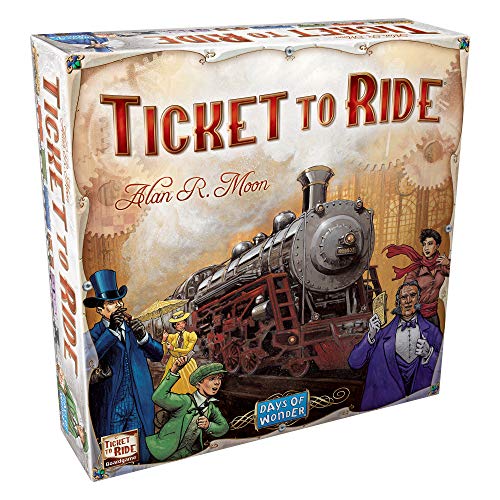
| Ticket to Ride | 2-5 | 30-60 min | Simple rules with engaging train theme. Multiple paths to victory without direct conflict. | |
| Splendor | 2-4 | 30 min | Elegant engine-building with beautiful components. Quick turns and satisfying progression. | |
| Azul | 2-4 | 30-45 min | Gorgeous tile-laying game with tactical decisions. Easy to learn, challenging to master. | |
| King of Tokyo | 2-6 | 30 min | Dice-rolling monster mayhem with strategy elements. Great for groups who enjoy some chaos. | |
| Wingspan | 1-5 | 40-70 min | Beautiful bird-themed engine builder. Relaxing gameplay with educational elements. | |
| Catan | 3-4 | 60-90 min | Classic resource management and trading game. Social interaction without elimination. | |
| Pandemic | 2-4 | 45 min | Cooperative game fighting global diseases. Team-based strategy without player conflict. |
Each of these games has earned its reputation as an excellent entry point into strategy gaming. They share several important characteristics: rules that can be taught in under 15 minutes, engaging themes that draw players in, and enough strategic depth to reward multiple plays.
Ticket to Ride works exceptionally well for families and groups new to strategy games. The train theme appeals to all ages, and the simple “collect cards, claim routes” gameplay creates natural tension without complex interactions.
Splendor offers a perfect introduction to engine-building mechanics, where early purchases help you make better purchases later. The beautiful poker chip components and quick gameplay make it addictive without being overwhelming.
For groups that enjoy beautiful, tactile experiences, Azul combines gorgeous components with meaningful decisions. Each turn presents clear choices with obvious consequences, making it easy for new players to understand cause and effect.
Tips for a Great First Game Night
Preparation makes the difference between a successful introduction to strategy gaming and a frustrating experience that turns people away from the hobby. Watch a how-to-play video or read the rulebook before your game night, so you can teach effectively rather than learning alongside everyone else.
Start with a practice round or play through the first few turns together, discussing strategies and explaining why certain moves might be good or bad. This helps everyone understand not just what they can do, but why they might want to do it.
Keep rule explanations focused on what players need to know immediately. Don’t explain every special case or advanced strategy during initial teaching. Cover the basic turn structure, win conditions, and most common actions, then address other rules as they come up during play.
Focus on fun over perfection during your first game. Mistakes will happen, and that’s completely normal. If someone realizes they misunderstood a rule partway through, decide as a group whether to continue with the house rule or restart with correct rules. The goal is enjoyment, not perfect gameplay.
Create a comfortable environment where questions are encouraged and no one feels rushed to make decisions. Strategy games often reward thoughtful play, so allow time for players to consider their options without pressure.
Moving Forward in Your Strategy Gaming Journey
Your first strategy board game purchase doesn’t need to be perfect. The goal is finding something that gets played and enjoyed, creating positive associations with strategic thinking and social gaming. Every experienced gamer started with that first game, and most have fond memories of early gaming experiences despite those games potentially being surpassed by later discoveries.
Pay attention to what you enjoy most about your first few gaming experiences. Do you love the puzzle-like optimization challenges? The social interaction and negotiation? The thematic elements that make you feel like you’re exploring new worlds? These preferences will guide your future game selections more effectively than any external recommendation.
Don’t rush to expand your collection immediately. Play your first game at least five times before considering additional purchases. This helps you understand what elements of strategy gaming most appeal to your group and provides a foundation for comparing future options.
Strategy board gaming offers a lifetime of exploration and discovery. From simple gateway games to complex multi-hour epics, there’s always something new to learn and experience. The key is starting with games that match your current comfort level while leaving room to grow into more complex experiences as your skills and interests develop.
Remember that the best strategy board game is the one that brings your group together for memorable experiences. Whether that’s a quick 30-minute game that sparks friendly competition or a longer adventure that creates shared stories, success is measured by the enjoyment and connection these games create.
What themes or types of games most appeal to your group? Have you tried any strategy games before, or will this be a completely new experience? Share your thoughts in the comments below – we’d love to help you find the perfect starting point for your strategy gaming journey.