
As an Amazon Associate I earn from qualifying purchases and sometimes recommend products from other sellers at no extra cost you. For more details see my disclosure policy and privacy policy.
If your only draft experience is Arena Cube, a paper prerelease will feel familiar for about ten minutes. Then the differences show up all at once.
A fixed pool instead of picks, a ticking clock instead of an undo button, a table full of people instead of a queue. None of that makes paper drafting harder than Arena, it just rewards different instincts.
This guide walks through what actually changes when you move from Arena to a physical prerelease, where new players lose time and games, and how to walk in prepared for your first event.
🎴 Sealed Isn’t a Draft Pool, Even Though It Feels Like One
The biggest mental adjustment is that a prerelease uses sealed pool rules, not draft rules, even though most first-timers mentally file it under “drafting.” You open six boosters and build from exactly those cards.
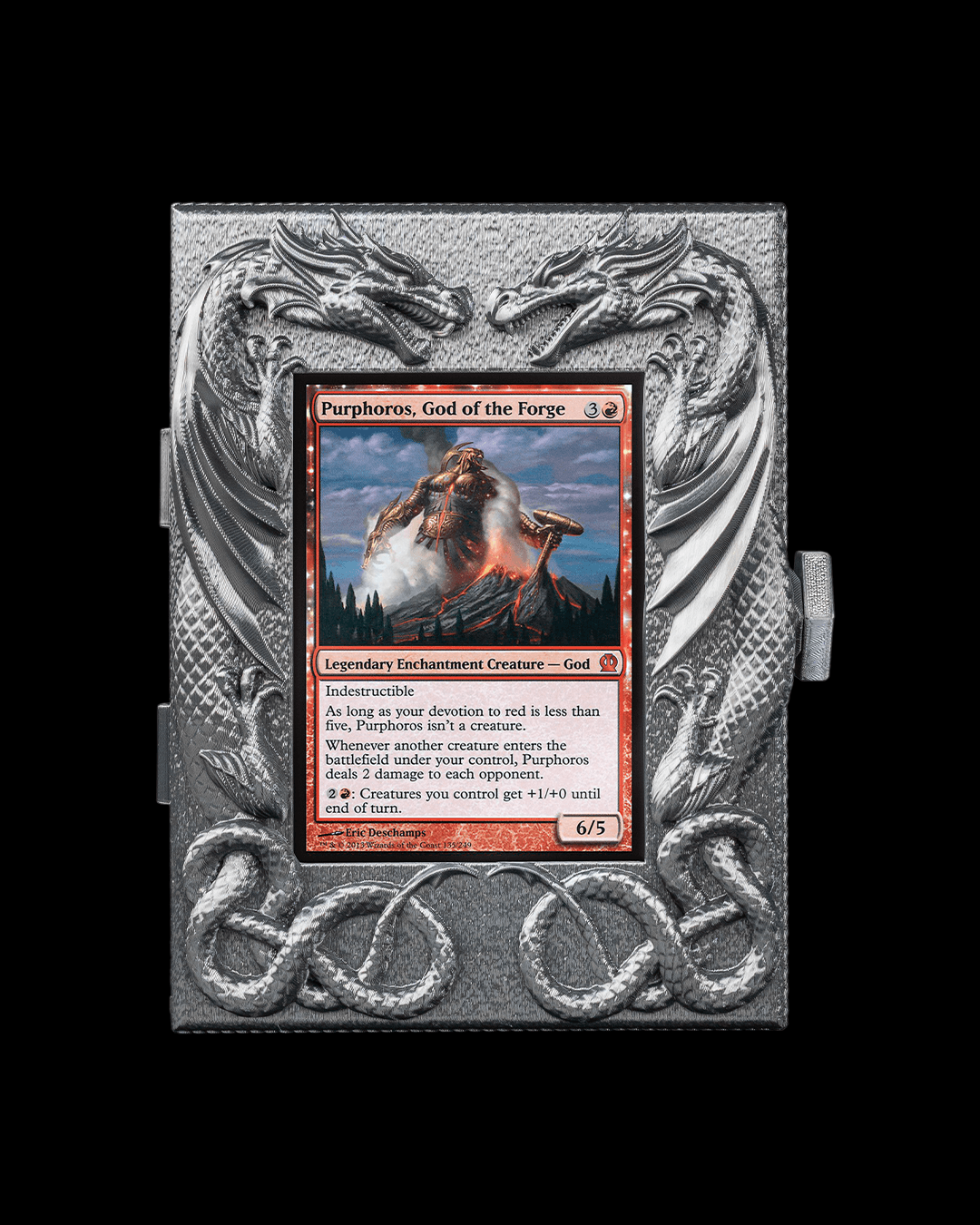
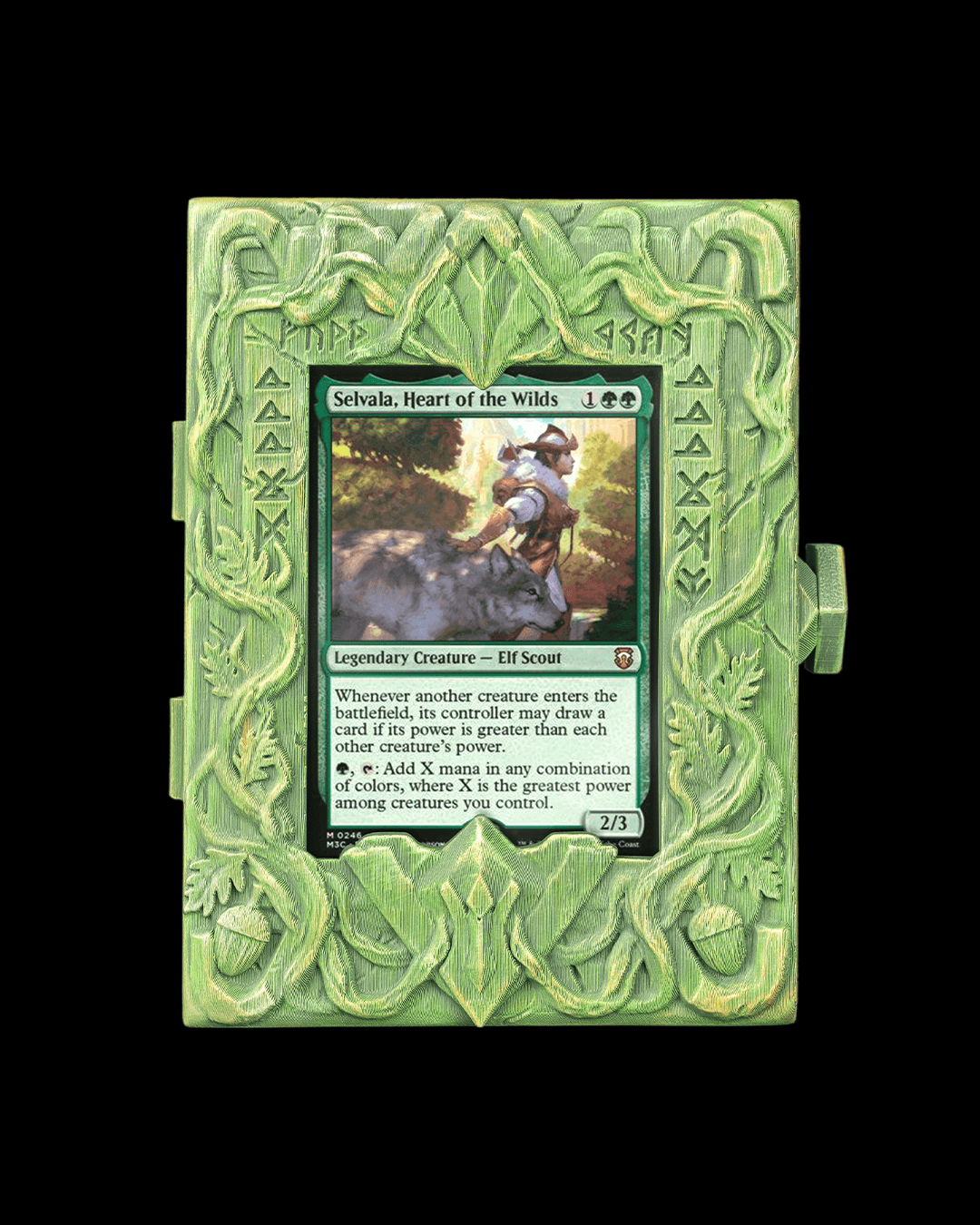
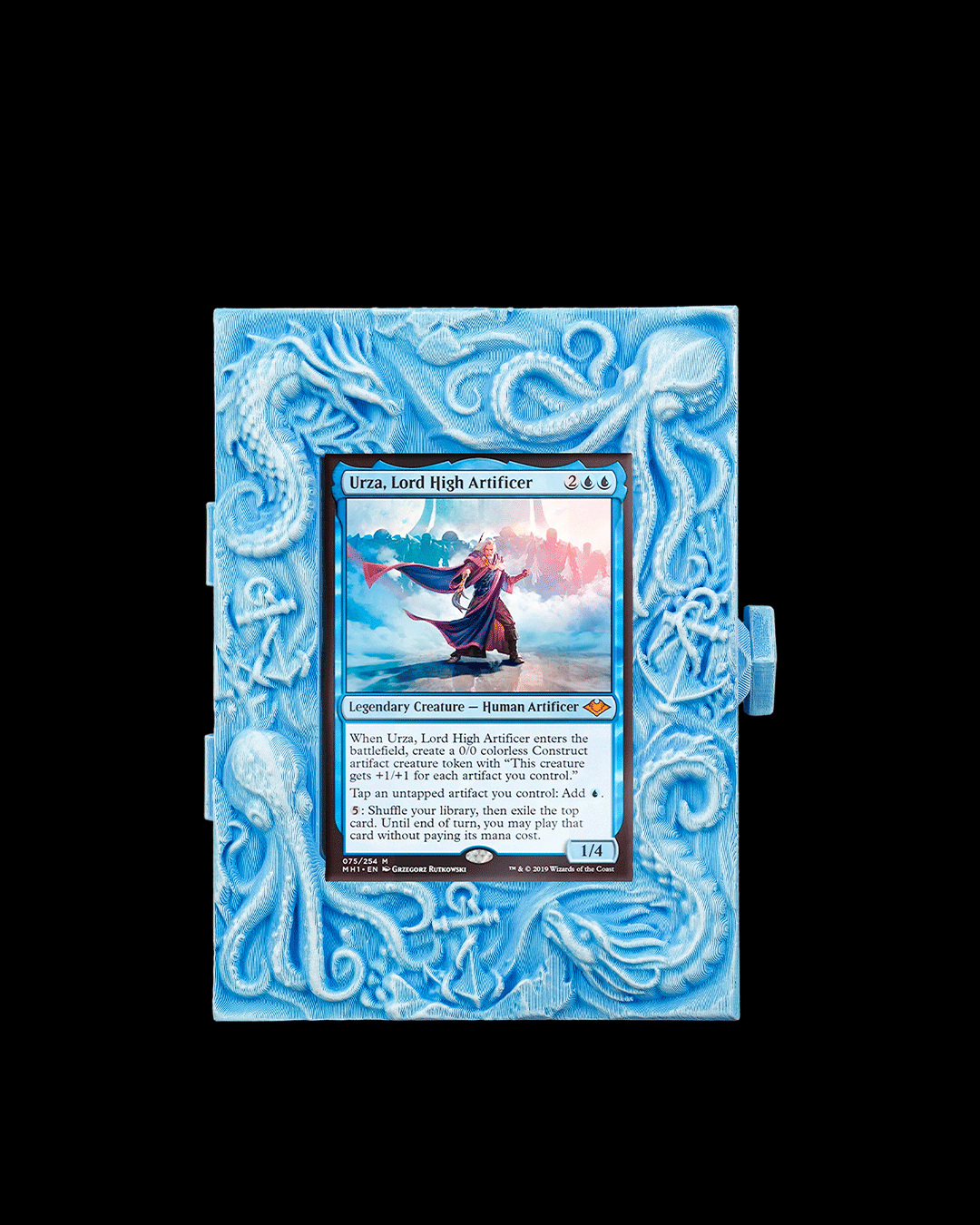
There are no picks, no passing, and no chance to steer your card pool toward an archetype you like. Whatever rares and commons you opened are your card pool for the day.
That changes how you approach colour choice too. Arena habits around picking a lane early and drafting toward open colours don’t apply here, because you can’t draft around a weak pool. You have to build the best deck the cards in front of you will actually support.
What’s different from Arena Cube:
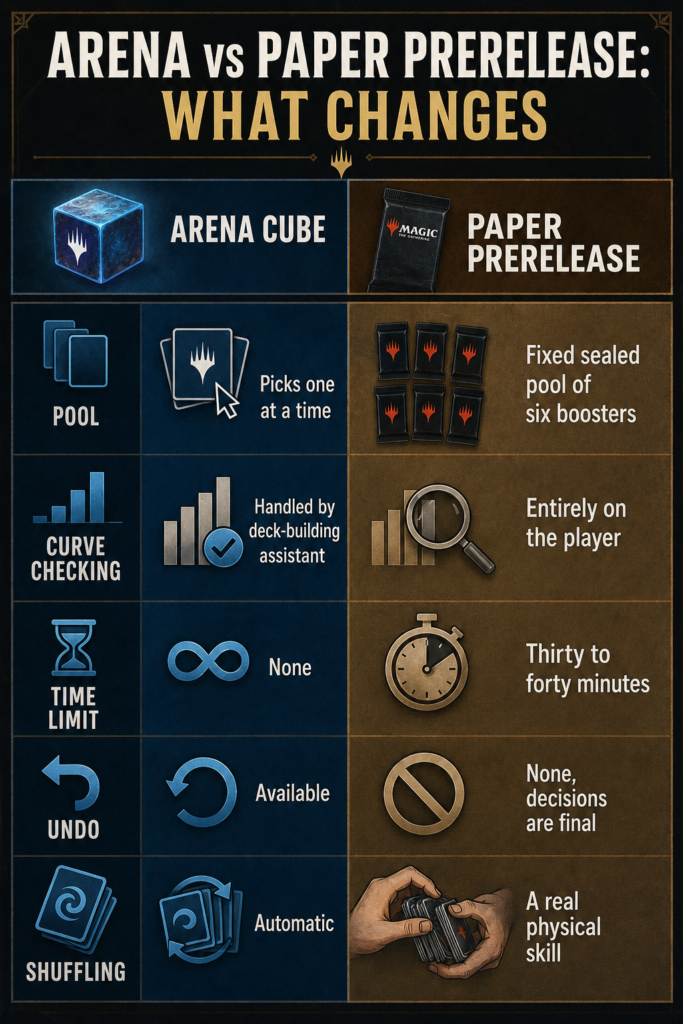
- No picks or passing. Six boosters, opened once, is your entire pool.
- No steering toward an archetype. You build around what you opened, not what you wanted.
- A much bigger pool to sort. Roughly ninety cards to evaluate at once, not one pick at a time.
- Curve problems are yours to solve. There’s no algorithm quietly fixing a weak mana base for you.
🃏 The Mistake Almost Every First-Timer Makes: Chasing Bombs Over Curve
Ask any judge what trips up first-time sealed players and you’ll get the same answer: overvaluing bombs at the expense of curve. A rare that wins the game on turn seven is worth nothing if your deck can’t survive to turn seven.
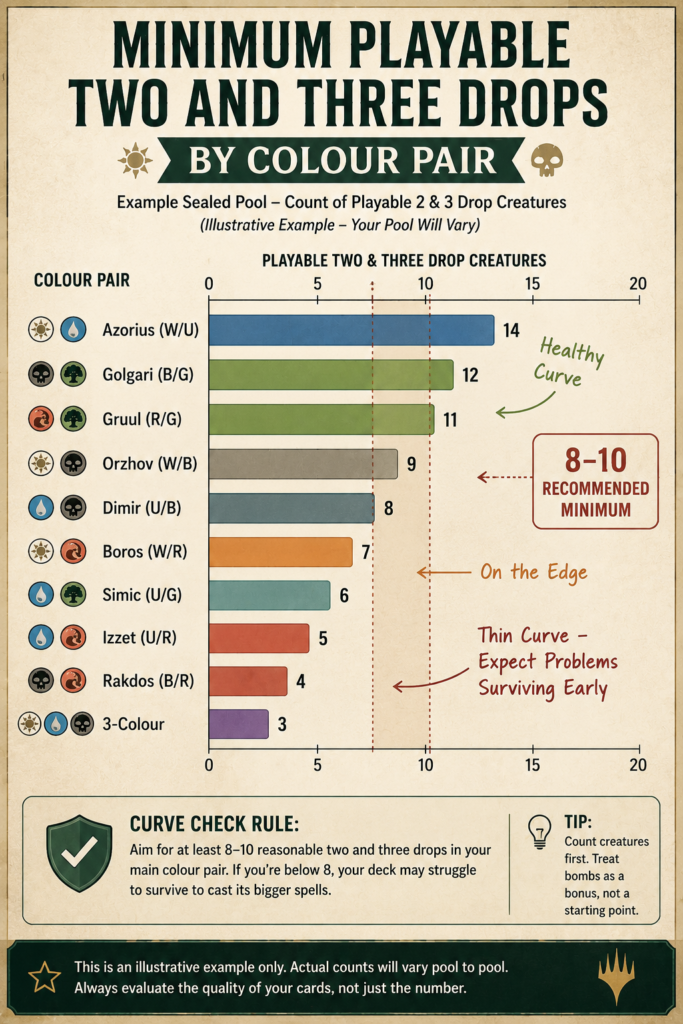
Sealed decks live and die on their early plays far more than Arena Cube decks do, because your opponent’s deck is just as raw and unrefined as yours. A workable rule for a first prerelease is to count your two and three drops before you count your bombs.
If you can’t find at least eight to ten reasonable plays for turns two and three, the deck needs work regardless of how exciting the top end looks. In sealed, checking your own curve is entirely your job, and skipping it is the single most common reason a promising pool underperforms on the day.
The second half of this mistake is mana fixing. Two colours with sixteen or seventeen lands and no fixing is fine, but splashing a third colour for one exciting rare, with no fixing to support it, is how good pools lose to their own mana base.
Quick curve and fixing check before you lock in colours:
- Count your two and three drops first. Aim for eight to ten reasonable plays before you count anything else.
- Treat bombs as a bonus, not a starting point. A great top end doesn’t fix a missing curve.
- Only splash a third colour if you have two or three sources of fixing for it.
- If the splash isn’t supported, cut it and play two colours cleanly.
⏱️ Building a Deck on the Clock
Arena deck-building has no clock. You can sit with a pool for twenty minutes, swap cards in and out, and the game will wait for you.
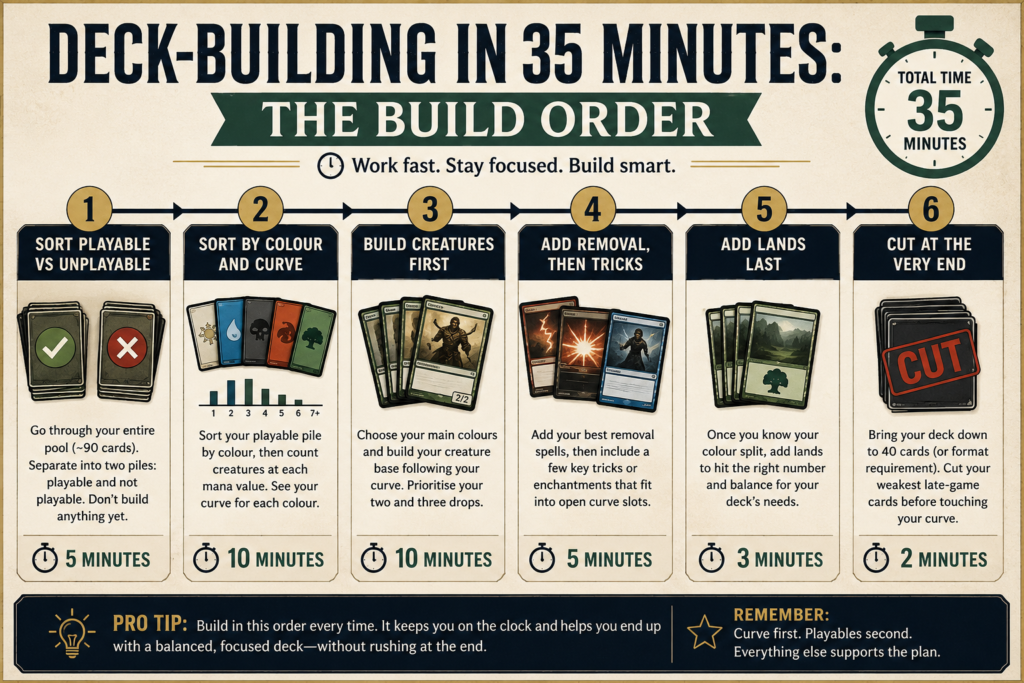
At a prerelease, deck-building happens at a table with a hard time limit, usually thirty to forty minutes, and that limit includes sorting your card pool before you’ve built anything. A repeatable process helps more than raw card knowledge here.
Once you can see your curve by colour, your two strongest colours will usually be obvious. One or two colours will clearly have more playable two and three drops than the rest, and that’s your starting point.
A build order that works under time pressure:
- Sort all ninety-odd cards into two piles: playable and not playable. Don’t build anything yet.
- Sort the playable pile by colour, then count creatures at each mana value.
- Build creatures first, following your curve.
- Add removal, then the handful of best tricks or enchantments that fit your curve slots.
- Add lands last, once you know your colour split.
- Cut at the very end. If you’re at twenty-five spells and need seventeen, cut your weakest late-game cards before you touch your curve.
First-timers who build lands first, or who try to slot in every good card before checking curve, routinely run out of time and submit a deck that’s technically legal but was never actually finished.
🖐️ What Arena Doesn’t Teach You About Physical Play
A few habits that Arena builds in you don’t transfer to paper, and none of them are about skill. They’re about the physical mechanics of the game.
There’s no undo button. A card you’ve committed to the battlefield, or a mulligan decision you’ve made, is final the moment you’ve done it, in a way Arena’s confirm prompts don’t train you for.
There’s also no deck-building assistant checking your curve, your colour count, or your minimum deck size for you. You are the mana base checker, the curve checker, and the legality checker, all in one.
Sleeving and shuffling are their own small skill, since Arena shuffles instantly and perfectly every time. Get comfortable with a proper riffle or overhand shuffle before the event, and expect to be asked to cut your opponent’s deck and have yours cut in turn. It’s a normal part of paper play, not a sign anyone doubts you.
🤝 Table Etiquette and Keeping the Pod Moving
Paper prerelease events run on a shared clock across the whole room, and pacing is a real part of the etiquette even though nobody hands you a rulebook for it. Announce your attacks and phases clearly enough that your opponent can follow along.
Table talk about the game in progress is normal. Talking about what’s in your hand to a third party at the table generally isn’t, so keep hand contents between you and your opponent.
If a ruling question comes up mid-game, call a judge rather than settling it between yourselves. That’s what they’re there for, and it keeps the round moving fairly for everyone at the table.
A few etiquette basics worth knowing before round one:
- Announce your phases and attacks clearly so your opponent can follow the game state.
- Ask if you’re unsure what a card does rather than guessing.
- Keep hand contents between you and your opponent, not the wider table.
- Check trading rules with a judge before swapping anything, since house rules vary between stores.
- Call a judge for any ruling question instead of settling it yourselves.
None of this is about gatekeeping newcomers from digital play. Arena teaches real skills, card evaluation, sequencing, and reading board states among them. Paper prerelease just adds a physical and social layer on top, and that layer is learnable in one event.
🎒 What to Bring to Round One
A short checklist before you leave the house saves more stress than any amount of last-minute deck tweaking.
- Basic lands of your own, even though the store usually supplies some, so you’re not waiting on a shared pile mid-round.
- Sleeves sized for your cards and a deck box, or at minimum something to keep your pool separated from your built deck between rounds.
- A small notepad or your phone for tracking life totals, plus a pen.
- Enough time to register before the pod fills. Most stores start deck-building on a fixed schedule regardless of who’s still walking in.
Are You Ready for Your First Paper Prerelease?
Six quick questions on sealed rules, curve-checking, and table etiquette. Companion quiz to “Drafting a Paper Prerelease: What First-Timers Get Wrong.”
Arriving fifteen to twenty minutes early, rather than right at start time, buys you breathing room if registration is slower than expected.
✅ Quick Answer: What Changes When You Move From Arena to a Paper Prerelease
Paper prerelease drafting uses sealed pool rules, not draft rules, so success depends on evaluating a fixed set of roughly ninety cards for curve and colour fit rather than picking cards one at a time. The most common first-timer mistake is prioritising bombs over a solid two and three drop curve, closely followed by splashing a third colour without enough fixing to support it.
Deck-building happens on a fixed clock, so a repeatable process, sort by playability, then by curve, then build creatures before lands, matters more than raw card knowledge. The physical parts of the game that Arena doesn’t teach, shuffling, sleeving, and calling a judge for rulings, are learnable in a single event and aren’t a sign you don’t belong at the table.