
As an Amazon Associate I earn from qualifying purchases and sometimes recommend products from other sellers at no extra cost you. For more details see my disclosure policy and privacy policy.
Most new players on MTG Arena hit the same wall about two weeks in. The tutorial is done, the starter decks feel limiting, and every competitive list on the internet requires 20+ rares you don’t have. The wildcard grind feels endless, and it’s tempting to either spend money you didn’t plan on or just stop playing.
There’s a third option: build smart.
Budget Standard decks aren’t a compromise position. When you cap yourself at five rares or fewer, you’re forced to learn the decisions that actually win games — sequencing, resource management, threat evaluation, and knowing when to commit. The compressed card pool makes those skills obvious in a way that a fully-built list sometimes obscures. With Secrets of Strixhaven now live on Arena (and the paper release landing April 24, 2026), Standard is in an interesting spot: new cards are entering the format, but the fundamental skills required to play well haven’t changed at all.
These five decks each teach you something different. That’s the real point of building them.
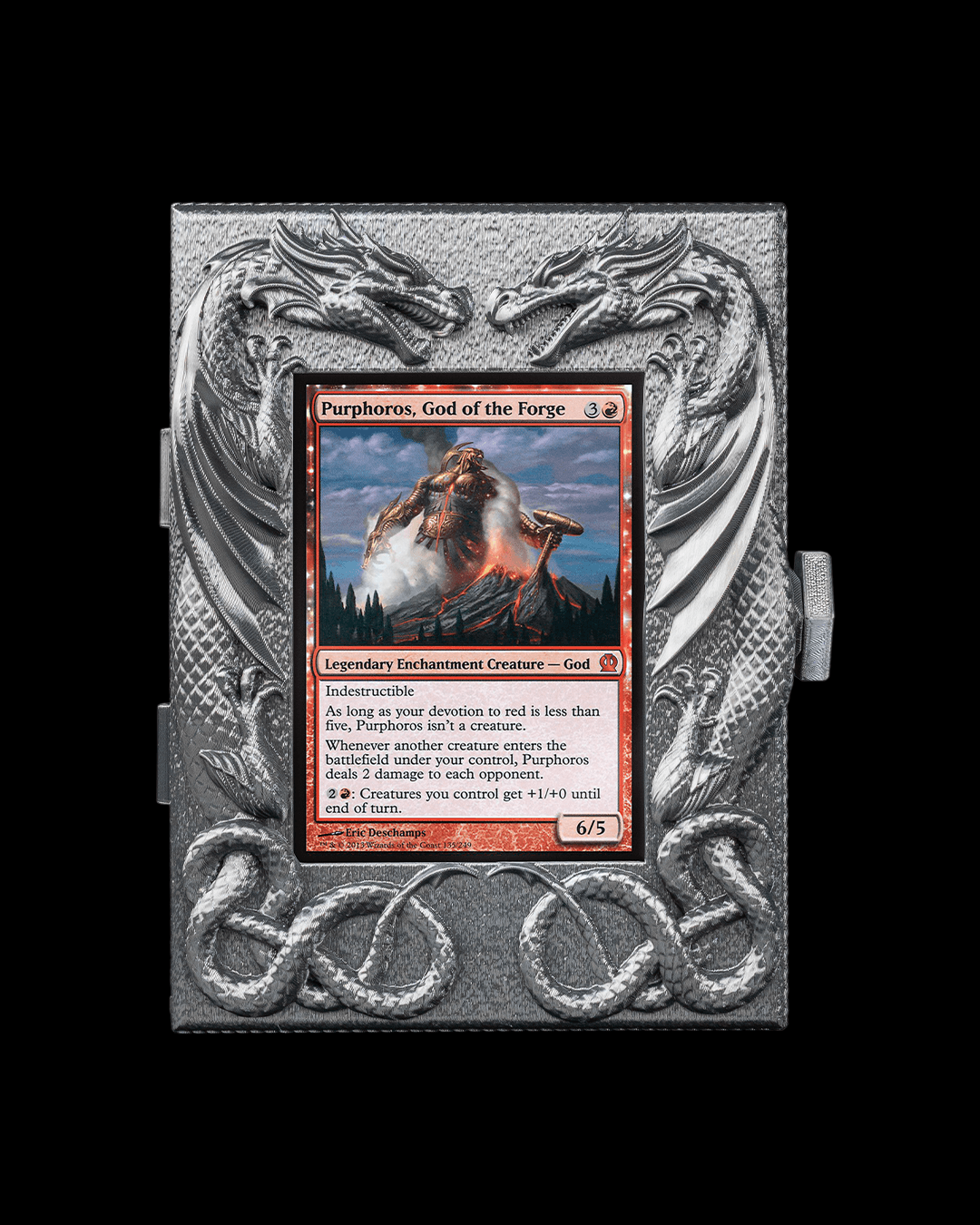
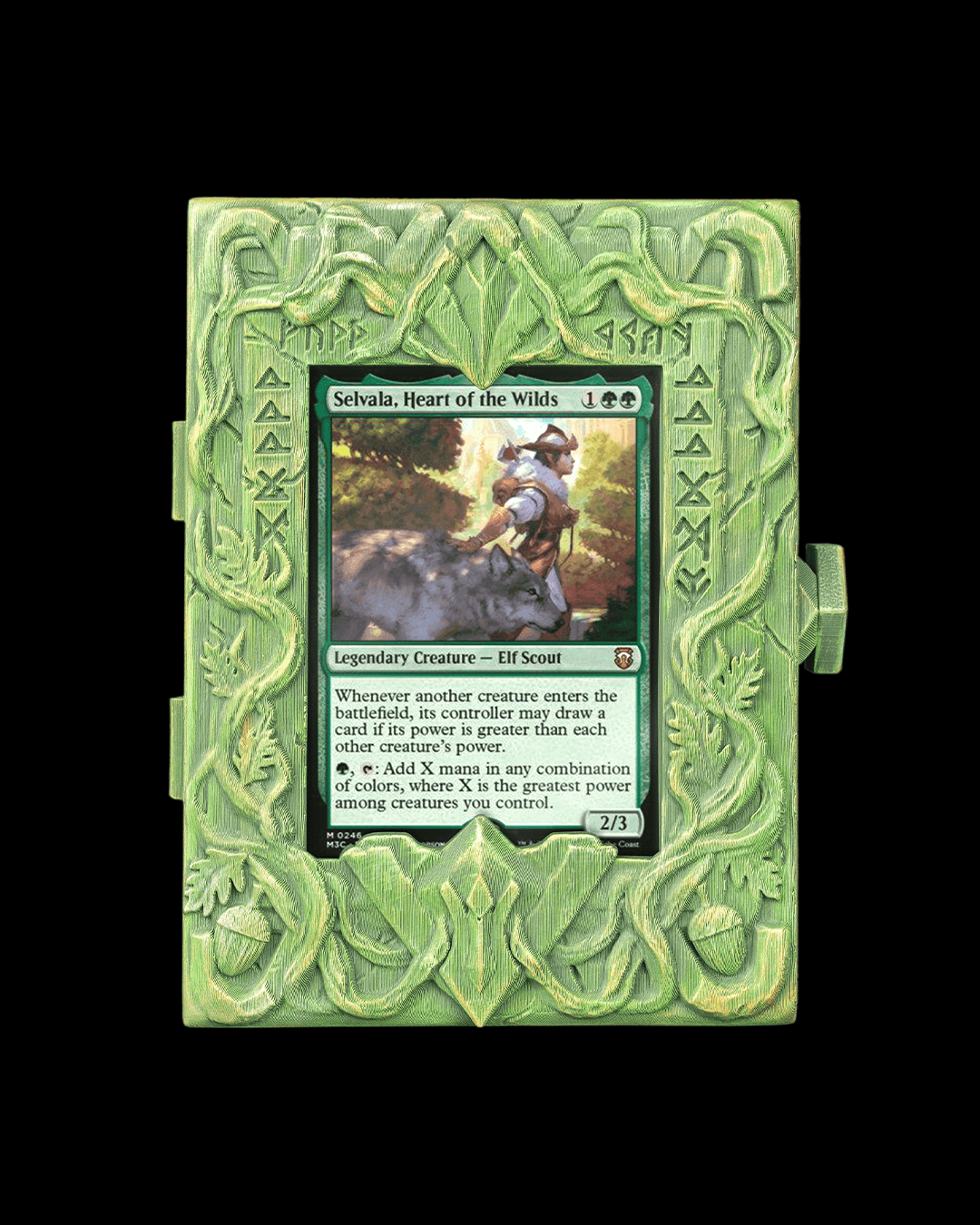
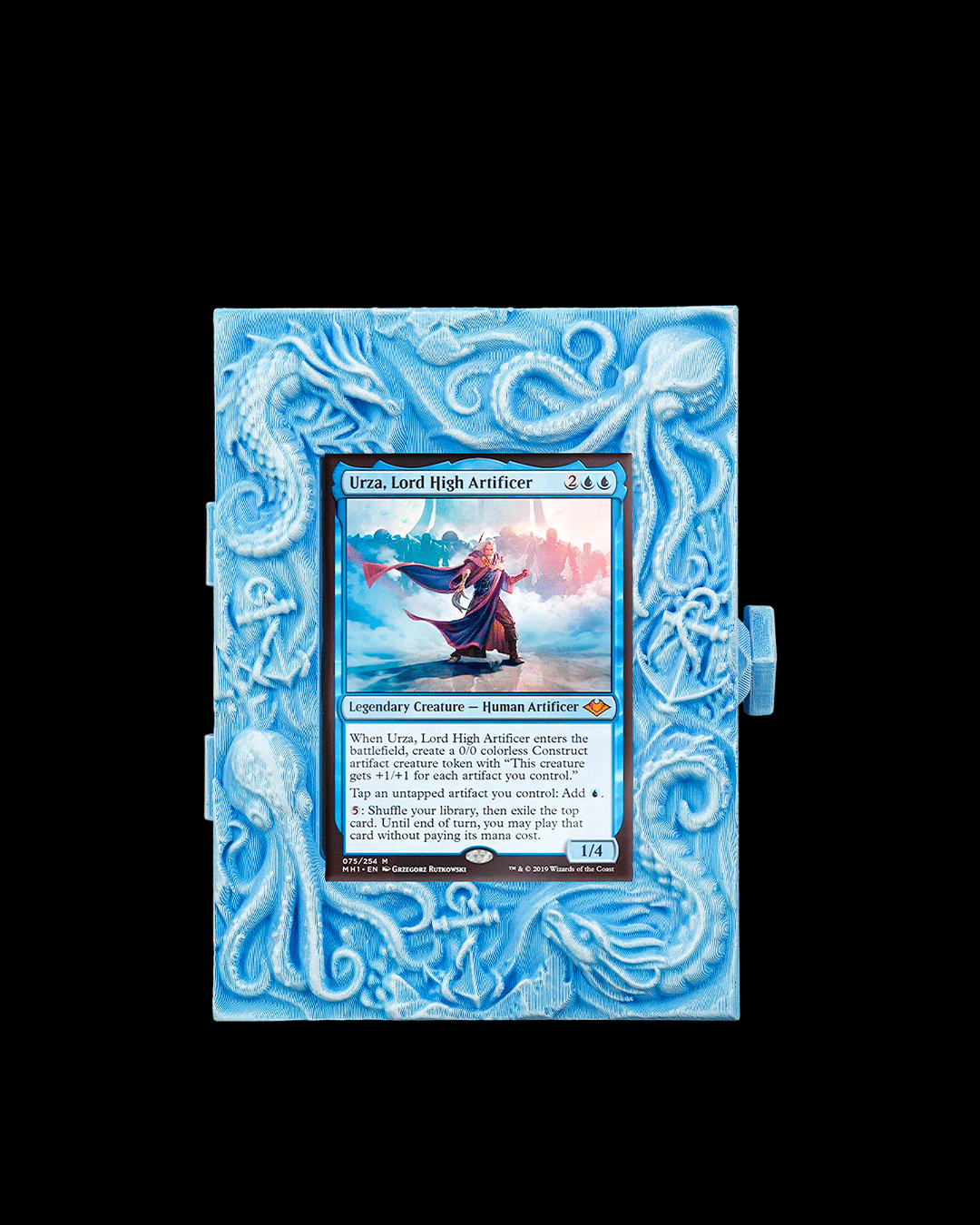
Why Budget Decks on Arena Are a Legitimate Tool
The conventional wisdom says budget decks are a stopgap — something you play until you’ve saved up enough wildcards for the “real” version. That framing gets things backwards.
When you play a full competitive list before you understand the format, you’re piloting a machine you don’t fully control. You make the right play on autopilot sometimes, but you don’t know why it was right. Budget lists strip away the safety net of individually powerful cards and force you to earn your wins through decision quality.
The other thing budget decks do well is teach you what the upgrades actually buy. When you’ve played 40 games with a version of Mono Blue Tempo that runs 4 rares, and then you slot in the premium countermagic and flash threats, you immediately feel the difference in specific spots. That’s worth a lot more than reading about it in a guide.
The current Standard card pool — legal sets include Wilds of Eldraine, The Lost Caverns of Ixalan, Murders at Karlov Manor, Outlaws of Thunder Junction, Bloomburrow, Duskmourn: House of Horror, Foundations, and Aetherdrift — is deep enough that each of these archetypes has a functional core built almost entirely on commons and uncommons.
The 5 Budget Decks
1. Izzet Spellementals
What it’s trying to do: Fill the graveyard with cheap spells, then attack with payoff creatures that get bigger or more dangerous with each cast.
Key cards: Hearth Elemental, Eddymurk Crab, cheap cantrips and interaction spells (commons and uncommons carry the load here). Budget rare allocation: two payoff threats, one or two card-selection rares, and a flexible removal rare if the current meta demands it.
What you’re learning: This is the best deck in this group for teaching spell sequencing and mana discipline. Every turn, you’re making decisions about whether to cast now or hold up interaction, whether to commit your graveyard enablers before or after combat, and whether your Eddymurk Crab blocks profitably or threatens lethal. Because the deck’s threats are modest on their own, you can’t just slam creatures and attack — you have to construct your turns deliberately.
The skill this deck builds transfers directly to any spell-based strategy you’ll play later. If you move into a controlmore list or a tempo shell in a future format, your understanding of sequencing cantrips will already be there.
Upgrade path: The full version adds premium tempo threats with flash or built-in protection, better countermagic, and a tighter mana base. Craft those in that order. The mana base upgrade often has the biggest impact on consistency, but in a budget Izzet shell, you can usually get away with the functional dual lands from the base sets before investing in premium options.
2. Mono Green Landfall
What it’s trying to do: Land drop triggers fuel creature growth and damage, with the deck aiming to end games in the mid-range before opponents can stabilize.
Key cards: A handful of landfall payoff creatures and a recursion or trample-enabling rare round out the five-rare budget. The commons and uncommons do genuine work here — green has always been generous with its staples.
What you’re learning: Landfall looks simple from the outside. Drop lands, creatures get big, attack. In practice, the deck demands that you think ahead by two or three turns at a time. You’re constantly evaluating whether to play your land before or after combat, whether to hold a land in hand for a critical trigger next turn, and whether your burst damage adds up to lethal through blockers this turn or next.
It’s one of the better decks for teaching damage math and the concept of “racing.” If you’ve primarily played engine-building board games where patience is rewarded, Mono Green Landfall will push you to make faster commitments. That’s a genuinely useful adjustment.
Upgrade path: Prioritize the strongest landfall payoff rares first — the ones that do something on every land drop rather than requiring a setup condition. Then add any utility lands or mythic finishers. Resist the urge to upgrade the top end first; the consistency pieces matter more.
3. Mono White Aggro
What it’s trying to do: Build a board of efficient creatures, apply early pressure, and close out games before opponents can establish defenses.
Key cards: Two creature payoffs or anthem effects (rares), one or two premium removal or value rares, and optionally a utility land or token engine. White’s commons and uncommons are genuinely strong enough to build a real deck around.
What you’re learning: Combat math and attack-step discipline. Mono White Aggro is the clearest possible context for learning when to attack and when to hold back — and those two decisions are at the core of every aggressive strategy, whether you’re playing Magic or tile-based board games that reward controlled aggression.
The most important thing this deck teaches is board-reading. Do you swing into a potential sweeper to maximize damage output, or do you hold a creature back as insurance? Do you play around the opponent’s open mana, or do you pressure them with everything? Budget Mono White forces you to answer these questions with modest tools, which means you learn the logic before the individual cards start doing the decision-making for you.
Upgrade path: The best one- and two-drop rare creatures first — the ones that provide immediate board presence or are difficult to profitably block. Then look at the best anthem effects or engine cards. Efficient threats at the bottom of your curve have more impact on your win rate than anything at the top.
4. Mono Blue Tempo
What it’s trying to do: Stick one or two evasive threats and then protect them with interaction while trading mana efficiently to win a close race.
Key cards: Two evasive threat rares, one or two premium counterspell or bounce rares, and one card-advantage rare. The uncommon slot is where blue tempo decks often live — cheap interaction spells do a lot of work here.
What you’re learning: Patience and information management. Mono Blue Tempo is the deck that most rewards thinking about what your opponent might do rather than just what they’re doing right now. You’re constantly deciding whether to tap out for a threat or keep mana open for interaction. You’re tracking what cards your opponent has played and what they might be holding.
This connects directly to the kind of hidden-information processing you practice in games like social deduction board games — the habit of modeling what you don’t know based on what you do. That mental habit is genuinely useful in almost every competitive card game environment.
The deck also teaches how to win while trading cards unevenly. If your one threat dies and you used two spells protecting it, you lost card advantage. Understanding why that trade was still correct (or wasn’t) is one of the more sophisticated strategic lessons the format offers.
Upgrade path: Better cheap interaction first — counters and bounce spells that fit the two-mana interactive slot. Then add the best flash threats, which let you keep mana up without “wasting” your turn if the opponent doesn’t do anything. The premium spell-lands available in Standard are often excellent in this shell.
5. Orzhov/Esper Enchantments
What it’s trying to do: Stack auras on a resilient threat to create a creature that’s difficult to profitably block or remove, backed by disruption and card advantage.
Key cards: Two aura or enchantment payoff rares, one recursion or protection rare, and one or two sticky threat or card-engine rares. Secrets of Strixhaven’s themes make this archetype especially well-timed right now — the set’s white-blue design leans directly into stacking enchantments on a single powerful threat.
What you’re learning: Target prioritization and risk management. Every time you load up a creature with auras, you’re making a calculated bet. If that creature dies to removal, you’ve lost multiple cards on one play. The deck teaches you to ask two questions before committing: “Is this threat already resilient to removal?” and “What’s my backup plan if this gets answered?”
If you’ve spent time with deck-building card games that reward concentrating investment versus spreading it thin, you’ll recognize the tension here immediately. The strategic instincts from those games translate well.
This is also the best deck in this group for learning how to sequence threats in a two-color shell — you’re managing white and black mana alongside an enchantment synergy package, which gives you early exposure to the kind of resource management that more complex builds require.
Upgrade path: The best protection pieces first — cards that make your threat survive removal or attacks it otherwise wouldn’t. Then add the most resilient threat the full list runs, followed by whatever card-advantage engine completes the deck. Flashy finisher mythics are almost always last on the list.
Wildcard Crafting Priority: The Universal Rule
If you’re planning to upgrade any one of these shells, the decision framework is consistent across all of them.
Mana first. If the deck runs two colors and you’re using functional but suboptimal dual lands, the rare dual lands that enter untapped should be your first craft in almost every case. Mana inconsistency is responsible for more losses than any individual card quality gap.
Engine second. Rares that generate card advantage or create recursive value improve your win rate across the widest range of matchups. These are usually the cards that appear in multiple archetypes and hold their value even if the meta shifts.
Premium payoffs last. Mythics and splashy finishers are exciting, but they’re the last piece of the puzzle. Don’t craft the card that wins you the game when you’re already ahead before you have the cards that get you to “already ahead” in the first place.
This matches the way budget board game strategy works at the tabletop level — getting the fundamentals right before spending on the premium components almost always produces better results than going straight for the standout piece.
Testing Your Builds: Using Arena’s Free-to-Play Tools
Arena gives you more testing infrastructure than most players use. The Jump In! format is the most underrated of these — it’s cheap, repeatable, and designed explicitly for collection building. If you complete the fourth Color Challenge, you receive five free Jump In! tokens, which you can use to target packet themes that match the archetype you’re developing.
For matchup-specific testing, the free play queues let you get reps against real opponents without spending anything. Run 20 to 30 games with a budget list before you start crafting upgrades. You’ll know exactly which slots feel limiting by game 15, which is much more reliable data than a tier list’s suggestion.
The Starter Deck Duel is useful if you’re brand new and want to understand the format baseline before committing. For returning players or anyone past the tutorial path, Jump In! combined with the free queues gives you everything you need to validate a build before wildcards are spent.
Which Deck Should You Start With?
- If you want to improve your combat mechanics: Mono White Aggro.
- If you want to learn tempo and reactive play: Mono Blue Tempo.
- If resource management is a weakness: Mono Green Landfall.
- If you want to practice complex turn sequencing: Izzet Spellementals.
- If you tend to go wide but want to learn threat concentration: Orzhov Enchantments.
None of these choices are wrong. The budget constraint is the feature, not the limitation — it’s what makes the lessons clear.
When you eventually move into the full competitive version of whichever deck resonates with you, the upgrade will feel earned. You’ll know exactly what each new rare buys you, because you’ll have played dozens of games where you felt its absence.
That’s a better foundation than any amount of wildcards spent on borrowed decklists.
Found this useful? What’s your current Arena build, and which skills are you working on? Let us know in the comments below.
Subscribe to get the next MTG Arena strategy post straight to your inbox — we cover the format from a strategic thinking angle, not just decklists.
Continue Your Journey
- Deck Building Games: Rules and Strategies — How deck construction principles work across tabletop card games
- Best Deck Building Board Games — The tabletop equivalents worth knowing if you enjoy this style of play
- Budget-Friendly Strategy Board Games — The same “play smart, not expensive” philosophy applied to board games
- Board Games That Feel Like Video Games — For players who move between digital and physical strategy formats
- Your First Strategy Board Game — If MTG Arena is your entry point into strategy gaming broadly