
As an Amazon Associate I earn from qualifying purchases and sometimes recommend products from other sellers at no extra cost you. For more details see my disclosure policy and privacy policy.
Disclosure: This post contains affiliate links. If you purchase through these links, I may earn a small commission at no extra cost to you. I only recommend products I genuinely believe in.
You’ve downloaded MTG Arena, built a few starter decks, and now you’re staring at the format selection screen wondering what the difference actually is between all these options. Standard, Alchemy, Explorer, Historic, Brawl — it’s a lot. And most guides just describe the rules without answering the real question: which format fits how you actually like to play?
This guide takes a different approach. Rather than walking through rule definitions, it’s designed to match formats to playstyles — specifically, the kinds of thinking that strategy gamers already do well. If you’ve spent time with engine-building board games, worker placement, or tight two-player competition, you’ll recognize the patterns that make certain Arena formats click for certain players.
Let’s break it down.
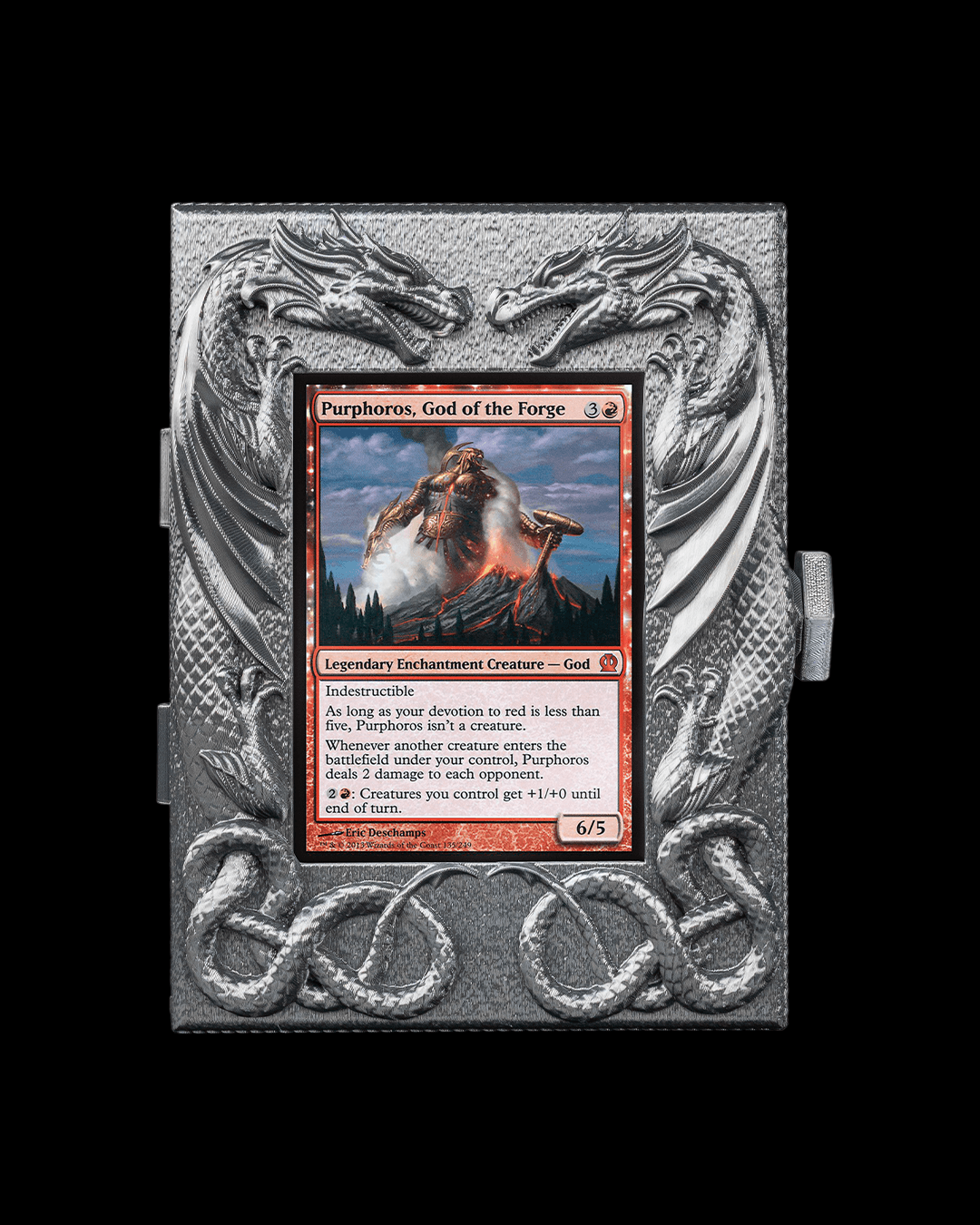
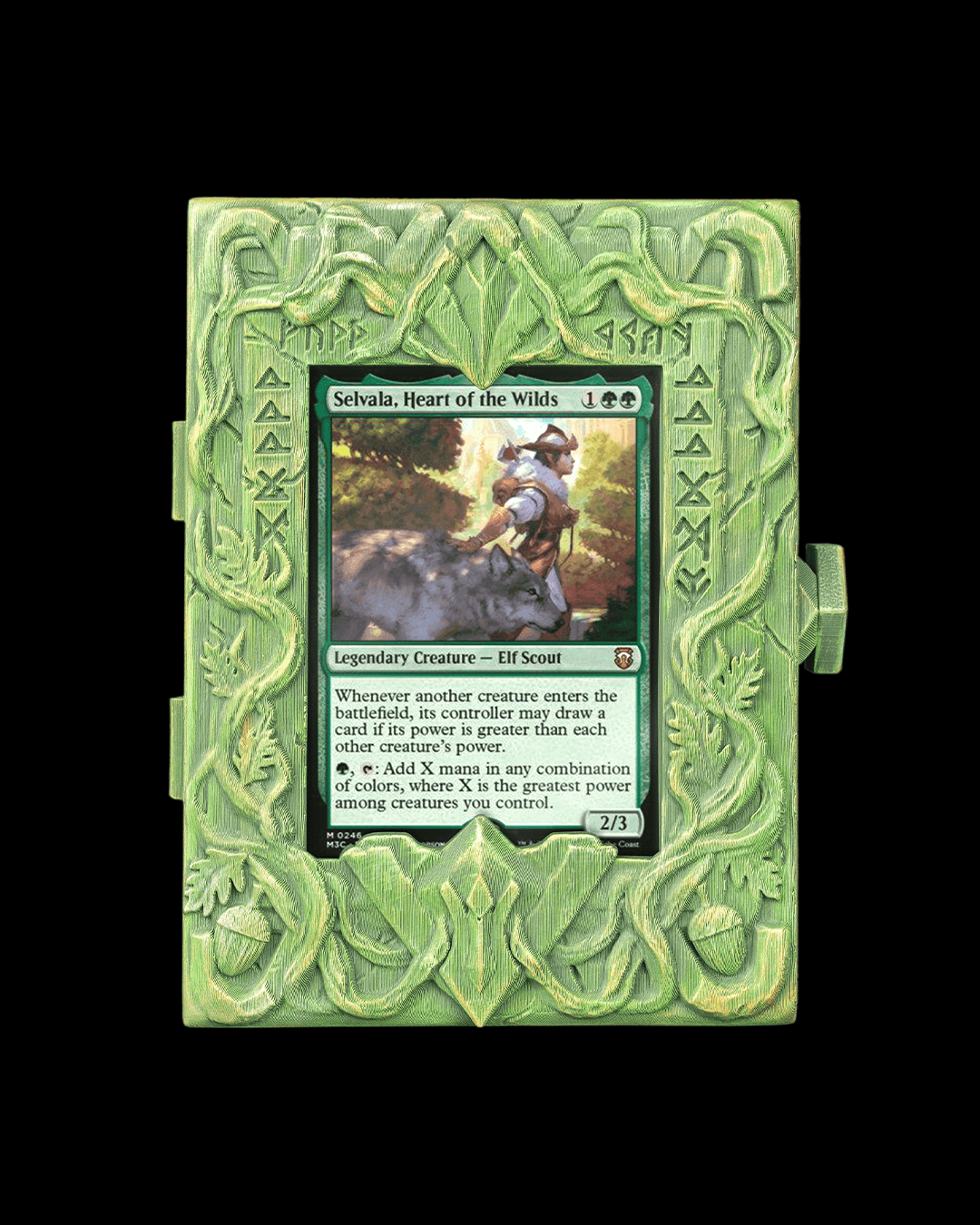
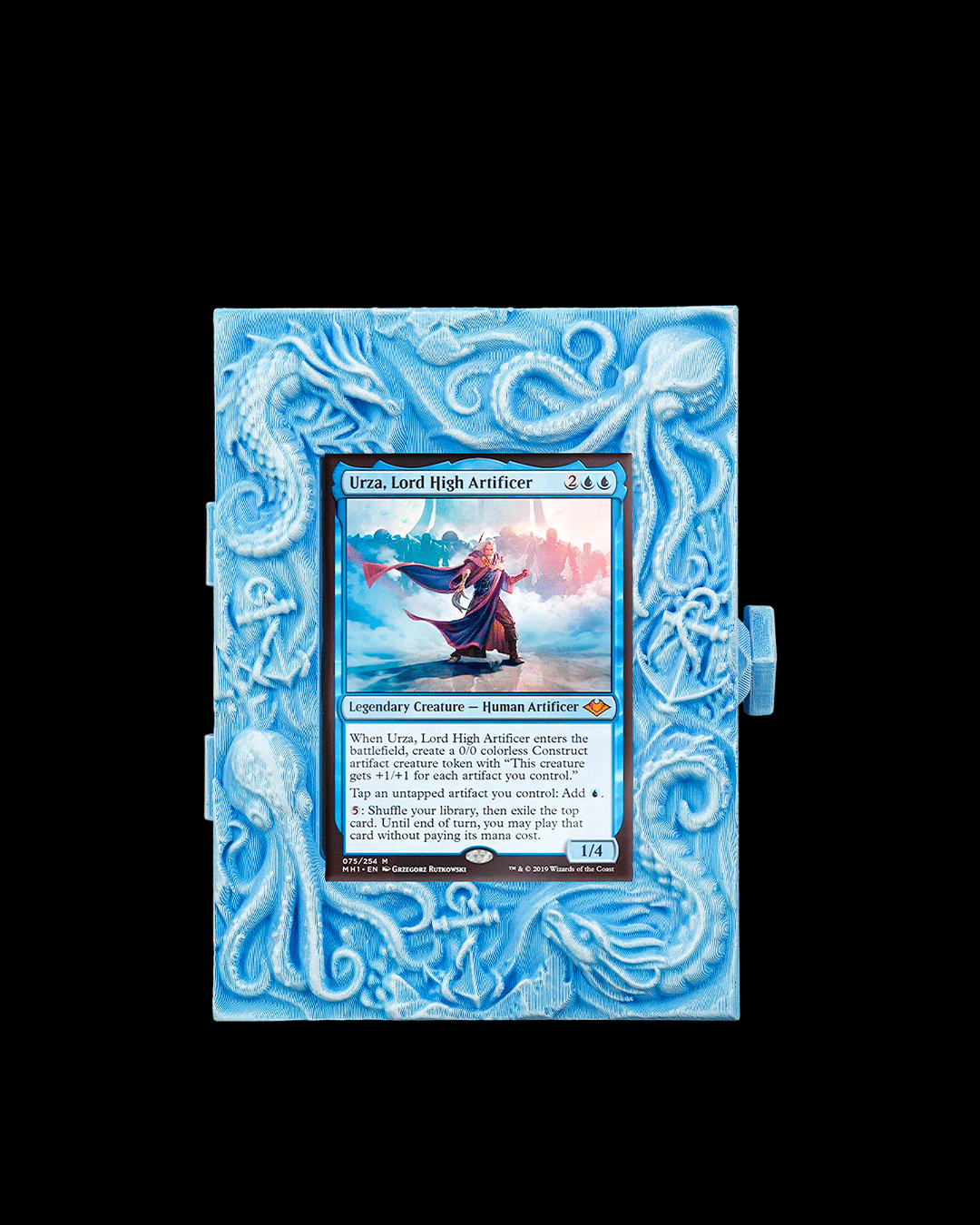
| Best for | Format |
|---|---|
| Best for quick sessions | Standard Bo1 |
| Best for competitive depth | Standard Bo3 |
| Best for digital-native play | Alchemy |
| Best for paper-adjacent experience | Explorer |
| Best for a wide card pool | Historic |
| Best for long-game engine builders | Historic Brawl |
Standard: The Competitive Baseline
Standard is where most Arena players start and where the competitive scene is most active. It uses cards from the most recent sets — roughly the past two years’ worth of releases — and rotates every autumn when the fall set releases. That rotation is actually a feature, not a bug: it periodically resets the power level and forces fresh deckbuilding rather than letting a handful of dominant strategies run unchecked forever.
What makes Standard interesting from a strategy angle isn’t just the card pool — it’s that the format is small enough to be learnable. At any given time, there are maybe ten or fifteen decks that matter at a competitive level. You can actually understand the metagame, anticipate what you’ll face, and make intentional choices about how to position your deck.
Standard at a glance:
- 60-card constructed decks, 1v1 play
- Uses cards from the most recent two years of sets
- Rotates annually after the fall set releases
- Playable as Best-of-One (no sideboard) or Best-of-Three (15-card sideboard)
- The most supported format on Arena in terms of events and updates
Bo1: More Reps, More Variance
Standard Bo1 is a single game — no sideboard, no best-of-three structure, just whoever wins the first game moves on. It’s the most popular ladder format on Arena because it’s fast. You can fit in a dozen games in an hour, the queue times are short, and you don’t need to think about sideboarding, which is its own discipline.
The tradeoff is that Bo1 rewards resilient, proactive decks. When you can’t sideboard, you need a deck that just does its thing effectively against a wide range of opponents. Aggro and midrange strategies often perform better in Bo1 than in Bo3 because they don’t give opponents the chance to bring in hate cards. If you enjoy the feel of executing a plan under pressure — and you’re drawn to the kind of optimization that happens in fast-paced, high-repetition play — Bo1 is genuinely excellent.
Bo3: Metagame Puzzle Solving
Best-of-three adds a 15-card sideboard and turns each match into a three-game series. Games two and three are where the real depth lives: you adjust your deck between games based on what your opponent is playing, and they adjust back. It’s a read-and-respond loop that rewards preparation, pattern recognition, and the ability to shift your game plan mid-match.
If you’ve ever played a game where the second and third rounds feel like a completely different experience than the first — where you’re suddenly aware of what your opponent is optimizing for and trying to counter it — that’s the feeling Bo3 captures. It’s slower, the queues can be longer, and there’s more cognitive overhead. But for players who find pure execution a little thin and want the metagame reasoning layer, Bo3 is where Arena gets most interesting at the competitive level.
Bo1 vs Bo3: the key differences
- Bo1 is faster, higher variance, and better for grinding daily quests and gold
- Bo3 includes sideboarding between games, which adds a preparation and adaptation layer
- Bo1 rewards proactive, resilient strategies that don’t rely on targeted hate cards
- Bo3 rewards tighter deck construction, matchup knowledge, and sideboard planning
- Competitive Arena events (like Ranked and Championships) typically use Bo3
Alchemy: The Digital-First Format
Alchemy is built on Standard’s card pool but adds cards designed specifically for Arena — spells with digital-only mechanics like drafting from a conjured hand, perpetual stat buffs that carry across games, and rebalanced versions of Standard cards that were deemed too strong or too weak in their original printed form.
It’s genuinely divisive. Some players love it precisely because it’s different from paper Magic. The balance changes happen every few months, which means the meta shifts more frequently than Standard. If you enjoy live-service games where the ruleset and balance evolve on a rolling basis — think digital CCGs like Hearthstone or Legends of Runeterra — Alchemy scratches a similar itch. Honestly, so far it is my favourite format!
Why Players Avoid It (And Why Others Don’t)
The core criticism of Alchemy is that the digital-only cards create a format that doesn’t feel like “real” Magic. Players who want their Arena experience to reflect or prepare for paper play tend to skip it entirely. The rebalanced cards also mean you can invest wildcards into a strategy that gets nerfed a few weeks later, which stings.
On the other hand, if you’re not attached to the paper experience and you just want a well-maintained competitive ladder with regular meta shakeups, Alchemy is legitimately worth trying. It’s the format that feels most like a digital card game rather than a tabletop game ported to a screen — which, depending on your perspective, is either the appeal or the problem.
Who should try Alchemy:
- Players who enjoy live-service game balance updates and evolving metas
- Anyone who doesn’t have attachment to the paper Magic experience
- Players who find Standard stale between set releases and want more frequent shifts
- Fans of digital-only card mechanics that aren’t possible in paper
Who should skip Alchemy:
- Players preparing for paper tournaments or interested in transitioning to tabletop Magic
- Anyone who dislikes the risk of wildcards invested in nerfed cards
- Players who want the cleanest “traditional Magic” ladder experience
Explorer and Historic: The Deeper Card Pools
Once you’ve spent time in Standard, you’ll start noticing that certain archetypes feel limited by which cards happen to be in rotation right now. Explorer and Historic both address that by opening up larger card pools — but they do it in meaningfully different ways, and they attract different types of players.
Explorer: Paper-Adjacent and Purposeful
Explorer uses cards from the Pioneer format that are available on Arena. Pioneer is a competitive paper format that uses cards printed from 2012 onward, and Explorer is intended to be the Arena equivalent — a path toward playing something that closely mirrors what you’d see at a paper tournament.
The card pool is deep enough to support genuinely powerful strategies and long-standing archetypes, but it’s also coherent. The cards were designed for tabletop play, which gives Explorer a more grounded feel than Historic. If you play deck-building games and appreciate when a card pool has internal logic — when cards interact because they were designed with each other in mind rather than assembled from different eras — Explorer will feel familiar in the right way.
It’s also the format for players who are considering getting into paper Magic. Explorer laddering translates to real Pioneer knowledge, which isn’t true of every Arena format.
Historic: The Arena Sandbox
Historic is nonrotating and uses every card that has ever been added to Arena, including sets not available in paper Magic and cards from special releases. It’s the broadest competitive environment on Arena outside of Timeless, and it can be genuinely wild.
The power level is higher than Explorer, the strategies are more varied, and the meta is less predictable. For players who enjoy games with expansive, non-rotating card pools and lots of synergy-finding, Historic is the format where you can really go deep. The flip side is that the format can feel chaotic if you don’t have a handle on what’s out there — there are so many viable archetypes that metagame preparation is harder.
A useful way to think about the difference: Explorer is the format for players who want to build something purposeful within a known framework. Historic is for players who want to explore what’s possible when the constraints are looser.
Explorer vs Historic: quick comparison
- Explorer mirrors Pioneer (paper-legal cards from 2012 onward available on Arena); Historic includes Arena-exclusive sets and anthology cards
- Neither format rotates — your collection investment carries forward indefinitely
- Historic has a higher overall power level and more deck variety
- Explorer is more predictable and rewards deeper knowledge of a narrower field
- Explorer is the better choice if paper Magic is your eventual goal; Historic is better if Arena is your primary platform
Brawl and Historic Brawl: The Commander Experience on Arena
Brawl is the Arena take on Commander — the most popular paper format in the world. You build a 100-card singleton deck (no duplicates except basic lands) around a legendary creature or planeswalker that serves as your commander. Your deck’s color identity is locked to that commander’s colors, and your commander can be cast from a special command zone throughout the game.
Standard Brawl uses the current Standard card pool and rotates with it. Historic Brawl uses the full Arena card pool and doesn’t rotate. For most players who are drawn to this style of play, Historic Brawl is where you want to be.
How Brawl works on Arena:
- 100-card singleton decks built around a legendary creature or planeswalker commander
- Your commander’s colors determine which cards you can include
- Your commander can be re-cast from the command zone with an increasing mana tax each time
- Standard Brawl uses the rotating Standard card pool; Historic Brawl uses the full Arena card pool
- Games are 1v1 on Arena (unlike the 4-player Commander experience at tabletop)
Why This Format Rewards Engine Builders
Brawl is the Arena format that most directly rewards the kind of thinking that tabletop strategy gamers already do well. Building around a commander means building around a central identity — a card that defines what your deck is trying to accomplish and that you can reliably access every game. The best Historic Brawl decks aren’t just collections of good cards; they’re engines where the commander enables a game plan that builds and compounds over time.
If you’ve spent time with cooperative games that reward synergy between distinct roles, or if you gravitate toward the long-game in competitive formats, Historic Brawl tends to click in a way that 60-card formats don’t always manage. You have more room to build something cohesive, the singleton restriction means you need to think carefully about redundancy and consistency, and the longer game means your engine actually has time to come online.
The format is also significantly more casual than the 60-card ladders in practice, even at the higher matchmaking brackets. Most players aren’t trying to optimize for the absolute most competitive build — they’re trying to make their commander’s game plan work efficiently, which creates a different and often more satisfying kind of problem to solve.
A Decision Framework: Matching Format to Playstyle
Rather than a definitive ranking, here’s a practical map for choosing where to spend your Arena time based on what you actually enjoy.
Which MTG Arena format should you play?
You want lots of games and fast feedback loops. Standard Bo1 is your format. Queue into ladder, play your games, iterate on your list. The volume of reps is the point.
You enjoy preparation, metagame reading, and adapting mid-match. Standard Bo3 gives you the full competitive experience. Sideboarding is its own skill set that rewards careful thinking about the field.
You like live-service balance patches and don’t care about paper accuracy. Alchemy. It’s a well-maintained digital ladder that changes frequently and rewards staying current with the meta.
You’re drawn to paper Magic or want your Arena play to translate to tabletop. Explorer. The closest Arena gets to a paper format, and it builds real Pioneer knowledge.
You want the widest possible card pool and enjoy finding unusual synergies. Historic is where the interesting stuff lives if you’re willing to do more preparation work to understand the field.
You enjoy long-game synergy-building, unique deck identities, and a more relaxed competitive environment. Historic Brawl. It’s the format for players who want to build something that feels like theirs and watch it snowball over the course of a longer game.
One more thing worth mentioning: Timeless exists as a true “everything on Arena” format with a short restricted list. If you eventually want the most powerful possible environment with the deepest card pool, it’s there. But for most players, it’s not the right starting point — the power level is extremely high and the learning curve is steep.
Which Format Fits Your Gaming Instincts?
The honest answer is that most Arena players eventually play more than one format. Standard Bo1 is great for grinding gold and completing dailies. Historic Brawl is something you come back to when you want to play with a deck that has a personality. Explorer scratches the itch when you want to test yourself against something that resembles a paper metagame.
But if you’re just starting out and want to commit to one format to get your footing, Standard Bo1 or Bo3 is the right answer. It’s the most learnable environment, the most supported in terms of new content, and the format where getting better at MTG Arena actually feels the most direct.
What kind of player are you in your board game sessions? Do you go for the tight, optimized two-player experience or the long-game engine build? Let me know in the comments — it’s worth thinking about how those instincts map to which format will actually hold your attention.
Ready to keep building your MTG Arena knowledge? Keep an eye on this cluster as we go deeper into specific formats, deck archetypes, and strategy breakdowns over the coming weeks.
Want to stay ahead of the new posts? [Subscribe to the Everything Is A Game newsletter] for strategy content delivered straight to your inbox.
Continue Your Journey
- Engine Building Board Games: The Complete Strategy Guide for Every Player — Understand the engine-building fundamentals that translate directly to MTG deckbuilding
- 10 Essential Deck Building Games Every Strategy Gamer Should Try — Great starting point if card game mechanics are new territory
- Introduction to Deck-Building Games: Rules and Strategies — A deeper look at how deck-building games work as a strategic system
- Board Games That Feel Like Video Games: 12 Digital-to-Analog Experiences — If you’re moving between digital and tabletop gaming, this list is for you
- Best Cooperative Strategy Games: 12 Expert Picks for Team Play — Explore synergy-building in tabletop form