
As an Amazon Associate I earn from qualifying purchases and sometimes recommend products from other sellers at no extra cost you. For more details see my disclosure policy and privacy policy.
Your team gathers around the table, studying the board. Three moves from now, the infection will spread unless someone draws the right card. Using that action means abandoning the research station you desperately need. Someone suggests a risky play. It just might work…
This is what cooperative strategy gaming feels like at its best. Not just working together, but solving puzzles that require genuine strategic thinking from every player.
Many games claim to be “cooperative,” but they’re really just party games with a team wrapper. This guide focuses on something different: cooperative games where tactics, planning, and strategic depth matter as much as teamwork. These are games for experienced gamers who want mental challenges alongside cooperation.
How We Selected These Games
Every game on this list meets specific criteria:
Strategic depth matters. Each game requires meaningful decisions that affect outcomes. You’re not just rolling dice and hoping.
Scales well. Whether you’re playing with two people or five, the experience stays strong. Some games work better at certain counts (we’ll note that), but none fall apart.
Replayability is built in. Variable setup, campaign elements, or randomized challenges keep games fresh across multiple sessions.
Challenge feels fair. Difficulty comes from strategic puzzles, not random punishment. You lose because of tactical mistakes, not bad luck.
Actually available. All games can be purchased. No out-of-print collector’s items here.
Quick Reference Comparison
| Game | Players | Time | Complexity | Price Range | Best For |
|---|---|---|---|---|---|
| Pandemic | 2-4 | 45 min | Low-Medium | $30-40 | Gateway strategic co-op |
| Forbidden Desert | 2-5 | 45 min | Low-Medium | $25-35 | Accessible survival puzzle |
| Flash Point | 2-6 | 45-60 min | Medium | $35-45 | Tactical emergency response |
| Spirit Island | 1-4 | 90-120 min | Medium-High | $70-90 | Asymmetric powers |
| Arkham Horror LCG | 1-2 | 60-120 min | Medium | $45-55 | Campaign deck builder |
| Robinson Crusoe | 1-4 | 90-120 min | High | $60-75 | Challenging survival |
| Gloomhaven | 1-4 | 90-120 min | High | $140-170 | Tactical combat campaign |
| Pandemic Legacy S1 | 2-4 | 60 min | Medium | $60-70 | Legacy campaign |
| The 7th Continent | 1-4 | Variable | Medium-High | $100+ | Exploration adventure |
| Mage Knight | 1-4 | 150-240 min | Very High | $80-100 | Deep tactical fantasy |
| Sleeping Gods | 1-4 | 120-180 min | Medium-High | $80-100 | Open world narrative |
| Zombicide: Black Plague | 1-6 | 90-180 min | Medium | $80-120 | Miniatures zombie combat |
Gateway Cooperative Strategy Games
For groups new to strategic co-op games
Complexity: Low to Medium | Play Time: 45-90 minutes
Pandemic
Players: 2-4 (best at 3-4) | Time: 45 minutes | Price: $30-40
The game that defined modern cooperative board gaming. Players work as disease control specialists trying to stop four diseases from spreading across the globe. Each role has unique abilities, and you’ll need to coordinate movement, treatment, and research to develop cures before the world falls apart.

Strategic Elements: Resource management, movement optimization, epidemic timing, and action economy. Every turn presents hard choices about treating immediate threats versus building toward cures.
Cooperation Style: Open information with role-based specialization. Each player contributes differently, making everyone feel essential without obvious alpha player problems.
Perfect For: Groups wanting accessible strategic depth. Pandemic works well for beginners while still challenging experienced players.
Watch Out For: The Epidemic cards can feel punishing when luck runs bad. Some players might struggle with the pressure of losing.
Forbidden Desert
Players: 2-5 (best at 3-4) | Time: 45 minutes | Price: $25-35
A streamlined survival game where your team excavates an ancient flying machine from a buried desert city. Sand storms constantly shift the terrain, forcing you to adapt plans while managing limited water supplies.
Strategic Elements: Movement efficiency, resource conservation, and timing your excavation. The increasing storm intensity creates natural tension without feeling unfair.
Cooperation Style: Asymmetric roles with clear strengths. Players naturally divide responsibilities based on abilities.
Perfect For: Groups who find Pandemic too tense but still want strategic challenge. The theme feels more adventurous than clinical.
Watch Out For: Games can end suddenly if the storm accelerates quickly. Setup and teardown take longer than you’d expect for a 45-minute game.
Flash Point: Fire Rescue
Players: 2-6 (best at 4-5) | Time: 45-60 minutes | Price: $35-45
An emergency response game where firefighters save victims from burning buildings. Each role has specialized equipment and abilities. The fire spreads unpredictably, and structural damage creates new challenges every turn.
Strategic Elements: Risk assessment, movement planning, and coordinating specialist abilities. Deciding when to commit to rescues versus controlling the fire creates tension.
Cooperation Style: Clear role differentiation prevents alpha players from controlling everything. The chaos naturally distributes decision-making.
Perfect For: Groups who enjoy tactical challenges with variable difficulty. The theme resonates with people who don’t typically play fantasy games.
Watch Out For: The board can become cluttered with tokens. Experienced players might find the base game too easy after several plays.
Medium-Weight Strategic Co-ops
Core recommendations for experienced gamers
Complexity: Medium | Play Time: 90-150 minutes
Spirit Island
Players: 1-4 (best at 2-3) | Time: 90-120 minutes | Price: $70-90
You play as spirits defending an island from colonizing invaders. Each spirit has unique powers and playstyles. The invaders follow a programmed sequence of exploring, building, and ravaging the land. Your goal is to destroy their presence while generating enough fear to drive them off permanently.

Strategic Elements: The game features elegant mechanics and incredible variety in how spirits grow throughout gameplay. Power cards combine with elemental thresholds to trigger devastating effects. Timing fast versus slow actions creates complex tactical puzzles.
Cooperation Style: Players need to find ways to use their powers to help the team while creating devastating combos together. Each spirit plays differently enough that alpha players can’t dictate moves for everyone.
Perfect For: Groups seeking deep strategic gameplay with asymmetric powers. If you enjoy area control games with layers of decision-making, this delivers.
Watch Out For: The game requires intense concentration and some planning phases can take 30 minutes of discussion. Setup time is substantial, and new players need patience to grasp all the systems.
Arkham Horror: The Card Game
Players: 1-2 (expandable to 4) | Time: 60-120 minutes | Price: $45-55 (core set)
A campaign-driven deck building game set in H.P. Lovecraft’s mythos. You build investigator decks and face scenarios that evolve based on your choices. Each campaign spans multiple sessions with permanent consequences.
Strategic Elements: Deck construction, resource management, and risk assessment during scenarios. Building your deck between missions creates long-term strategic planning.
Cooperation Style: Players have individual decks but share locations and threats. Communication about deck composition and scenario goals is essential.
Perfect For: Groups who enjoy deck building games and campaign progression. The horror theme creates atmosphere without overwhelming gameplay.
Watch Out For: Requires ongoing investment in scenario packs. Setup between scenarios can feel tedious. Games sometimes end with unavoidable losses due to earlier mistakes.
Robinson Crusoe: Adventures on the Cursed Island
Players: 1-4 (best at 2-3) | Time: 90-120 minutes | Price: $60-75
A brutal survival game where players manage limited actions while building shelter, hunting food, and exploring. Every scenario presents different challenges and victory conditions. The weather system and event deck create constant pressure.
Strategic Elements: Action efficiency, long-term planning, and risk mitigation. You never have enough actions to do everything you need, forcing difficult priorities.
Cooperation Style: Players share resources but take individual actions. Discussion about optimal action allocation is constant.
Perfect For: Groups who want challenging strategic puzzles and don’t mind losing frequently while learning. The survival theme feels tangible and desperate.
Watch Out For: Extremely punishing for new players. Rules complexity creates confusion. Some scenarios feel unfairly difficult. Not for groups who get frustrated by repeated losses.
Campaign and Legacy Experiences
For groups committed to multi-session play
Complexity: Medium to High | Play Time: 60-120 minutes per session
Gloomhaven
Players: 1-4 (best at 2-3) | Time: 90-120 minutes per scenario | Price: $140-170
A massive tactical combat campaign with over 90 scenarios. Players control mercenaries with unique card-driven abilities. Your character grows stronger through experience and loot. Decisions in one scenario affect future options through branching storylines.

Strategic Elements: Hand management for turn-by-turn tactics, initiative planning, and character development across the campaign. Combat puzzles require coordination without direct communication during turns.
Cooperation Style: Players choose actions simultaneously, then reveal and resolve based on initiative. No alpha player can control moves, but planning before selection is allowed.
Perfect For: Groups wanting deep tactical gameplay with persistent progression. If you enjoy Gloomhaven’s mechanics, this provides dozens of hours of content.
Watch Out For: Enormous table space and storage requirements. Setup time is substantial. The campaign length might intimidate casual groups. Rules overhead is significant.
Pandemic Legacy: Season 1
Players: 2-4 (best at 3-4) | Time: 60 minutes per game | Price: $60-70
The original Pandemic evolved into a 12-24 game campaign where your decisions permanently change the game. Stickers modify the board, characters gain scars and new abilities, and the story adapts to your successes and failures.
Strategic Elements: All the strategic depth of Pandemic plus long-term planning across the campaign. Risk assessment changes when mistakes have permanent consequences.
Cooperation Style: Familiar Pandemic cooperation with added emotional weight. Your group’s history with characters creates investment.
Perfect For: Groups who loved Pandemic and want a narrative journey. The legacy format makes every session feel significant.
Watch Out For: The game ends after one complete campaign. Some plot twists might spoil the experience if leaked. Groups that struggle with base Pandemic will find this even harder.
The 7th Continent
Players: 1-4 (best at 2) | Time: Variable (5-20+ hours per curse) | Price: $100+ (out of print, expensive secondhand)
An open-world exploration game where you survive on a mysterious continent while trying to break curses. The card-based world builds as you explore. Death sends you back to the beginning with limited continues, but you keep knowledge of the terrain.
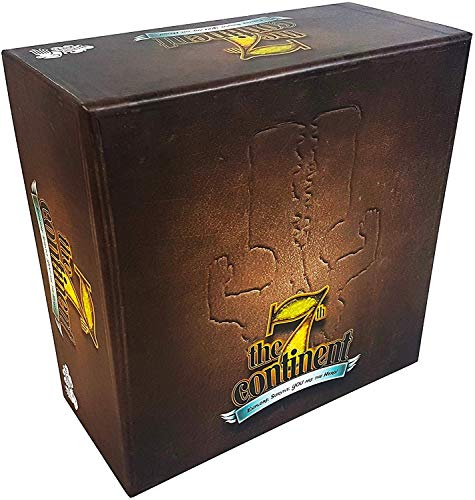
Strategic Elements: Resource management for survival while efficiently exploring to find curse-breaking objectives. Learning optimal paths through trial and error creates strategic progression.
Cooperation Style: Shared exploration and decision-making. Players coordinate movement and resource use, but the game works well solo too.
Perfect For: Groups who want exploration and discovery with meaningful consequences. The huge time investment per curse creates deep engagement.
Watch Out For: Currently out of print with high secondhand prices. The save system requires careful management. Some curses are much harder than others. Repetition after failures can frustrate.
Expert-Level Team Challenges
For groups seeking maximum strategic depth
Complexity: High | Play Time: 2-4 hours
Mage Knight (Cooperative Mode)
Players: 1-4 (best at 1-2) | Time: 150-240 minutes | Price: $80-100
A deck building tactical combat game where players explore a fantasy world, recruit armies, and assault enemy strongholds. The cooperative mode adds scenarios with shared objectives. Character progression through powerful cards creates satisfying growth.

Strategic Elements: Deep tactical combat, deck optimization, and movement planning. Nearly every system offers meaningful choices with cascading consequences.
Cooperation Style: Players cooperate on high-level strategy but largely operate independently. The game works brilliantly solo, and cooperation feels more like parallel optimization than direct teamwork.
Perfect For: Groups who want maximum strategic depth and don’t mind long play sessions. If you appreciate complex strategy games with character progression, this delivers.
Watch Out For: Teaching new players is nearly impossible in one session. Rules are dense and unintuitive. Table space requirements are extreme. Not everyone enjoys this level of complexity.
Sleeping Gods
Players: 1-4 (best at 2) | Time: 120-180 minutes per session | Price: $80-100
An open-world exploration game where your steamship crew searches an archipelago for a way home. A story book guides your adventures with branching narratives based on choices. Combat, exploration, and crew management all require strategic thinking.
Strategic Elements: Resource management across long campaigns, combat optimization, and efficient exploration. The open structure lets you tackle challenges in any order, creating strategic variety.
Cooperation Style: Shared decision-making about where to explore and how to spend resources. Players control different crew members with unique abilities during challenges.
Perfect For: Groups wanting narrative-driven exploration with meaningful strategic choices. The campaign structure creates epic journeys.
Watch Out For: Combat can feel repetitive. The save system between sessions requires careful note-taking. Some story paths are clearer winners than others, reducing discovery satisfaction.
Zombicide: Black Plague (with expansions)
Players: 1-6 (best at 4-5) | Time: 90-180 minutes | Price: $80-120 base game
A tactical miniatures game where medieval survivors fight zombie hordes. Players coordinate movement and attacks while managing a noise system that attracts more enemies. Character progression and equipment acquisition create power growth.
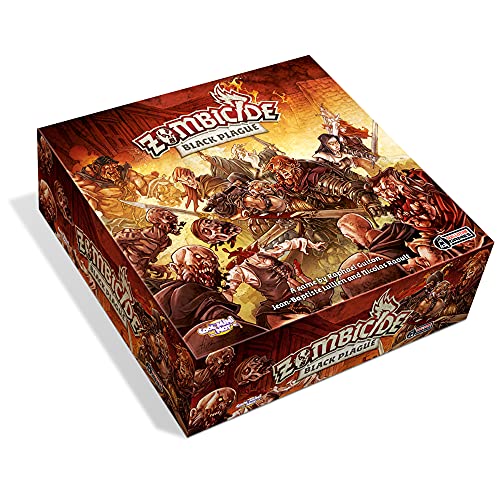
Strategic Elements: Movement coordination, noise management, and target prioritization. The spawning system forces tactical adaptation as zombie numbers increase.
Cooperation Style: Players share objectives but control individual characters. Combat planning requires discussing optimal attack sequences.
Perfect For: Groups who enjoy zombie survival themes with tactical miniatures combat. The expansions dramatically improve replayability.
Watch Out For: Highly random dice-based combat can frustrate tactical players. Games can snowball into unwinnable situations. Setup and teardown time is substantial with miniatures.
Making Your Choice
If you want a game you can teach in 10 minutes… Start with Pandemic or Forbidden Desert. Both deliver strategic depth without overwhelming new players.
If your group loves campaigns and story… Pandemic Legacy Season 1 offers the most accessible campaign experience. Gloomhaven provides deeper tactical gameplay across a massive campaign.
If you have analysis paralysis-prone players… Flash Point’s time pressure from spreading fires naturally limits overthinking. Zombicide’s dice combat reduces perfect-play pressure.
If you’re tired of alpha player problems… Spirit Island’s asymmetric spirits and Gloomhaven’s simultaneous action selection prevent one player from controlling everything. Games with hidden information or individual responsibilities work best.
Avoiding the Alpha Player Problem
The alpha player issue plagues many cooperative games. One experienced player ends up directing everyone’s moves, turning the game into a solitaire experience with assistants.
Games that naturally prevent this:
- Asymmetric powers make it harder for one player to understand everyone’s optimal moves (Spirit Island)
- Simultaneous selection prevents sequential optimization where one player plans for everyone (Gloomhaven)
- Individual decks or hidden information create private decision spaces (Arkham Horror LCG)
- Real-time pressure reduces time for one player to micromanage (Flash Point)
Communication strategies also help:
- Discuss high-level strategy (“I can handle these areas, what can you cover?”) instead of specific actions
- New players should announce they want to figure out their own moves
- Experienced players should ask questions instead of giving directions
- The group can explicitly agree on a “no quarterbacking” policy
Scaling Across Player Counts
Best at 2 Players:
- Spirit Island (more manageable complexity)
- Arkham Horror LCG (designed for this count)
- Sleeping Gods (less downtime)
- The 7th Continent (better pacing)
Sweet Spot at 3-4 Players:
- Pandemic (optimal interaction)
- Gloomhaven (best tactical variety)
- Robinson Crusoe (manageable action discussion)
- Pandemic Legacy (ideal group size)
Handle 5+ Players Well:
- Flash Point (everyone stays engaged)
- Zombicide: Black Plague (more players add excitement)
Strong Solo Modes:
- Mage Knight (arguably better solo)
- Spirit Island (excellent solo puzzles)
- Many solo board games work well for practicing cooperative strategy
Budget Breakdown
- Under $40: Pandemic, Forbidden Desert
- $40-70: Flash Point, Robinson Crusoe, Pandemic Legacy, Arkham Horror LCG core set
- $70+: Spirit Island, Mage Knight, Sleeping Gods, Gloomhaven, Zombicide
For budget-conscious gamers, starting with Pandemic or Forbidden Desert makes sense. They’re complete experiences that cost less than one meal out.
Campaign games require ongoing investment. Arkham Horror needs scenario packs. Gloomhaven has expansions. Consider total cost of ownership when choosing.
Top Picks by Player Type
Best First Cooperative Strategy Game: Pandemic remains the gold standard. It teaches cooperation, strategic planning, and action efficiency without overwhelming new players. Every gaming group should try it at least once.
Best for Campaign Lovers: Pandemic Legacy: Season 1 delivers the most satisfying campaign arc. The changes feel meaningful, the story builds tension, and the 12-24 game length is manageable. Gloomhaven offers more content but requires bigger commitment.
Best for Maximum Challenge: Spirit Island. The game consistently appears on lists of best cooperative board games for good reason. The strategic depth never gets old, difficulty scales infinitely, and every spirit creates unique puzzles.
Best Value: Pandemic. You get hundreds of plays from a $35 game. The strategy stays engaging, setup is quick, and everyone understands it immediately. That’s exceptional value for money.
What Didn’t Make the Cut
Some great games almost made this list:
Forbidden Island – Simpler than Forbidden Desert but feels too basic for strategic gamers after a few plays.
Mechs vs Minions – Excellent programmed movement co-op but harder to find and more expensive than alternatives.
Aeon’s End – Strong cooperative deck builder that lost to Arkham Horror’s campaign structure and theme.
The Crew – Fantastic trick-taking co-op but lacks the strategic depth of games on this list.
Your Next Steps
Consider your group’s preferences:
- New to cooperative gaming? Start with Pandemic or Forbidden Desert
- Want long-term commitment? Choose a campaign game
- Seeking maximum challenge? Spirit Island or Robinson Crusoe
- Prefer tactical combat? Gloomhaven or Zombicide
Check if your local board game café has these games available. Many groups discover favorites through rental play before buying.
Look for How to Play videos on YouTube. Channels like The Dice Tower and Shut Up & Sit Down offer excellent tutorials that make learning new games easier.
You Might Also Like
If you enjoyed this guide, check out these related articles:
- Engine Building Board Games – Many cooperative games feature satisfying engine building
- Best Deck Building Board Games – Several co-ops use deck building mechanics
- Cooperative Board Games for Couples – Two-player focused recommendations
- Solo Board Games – Many cooperative games shine in solo play
Final Thoughts
The best cooperative strategy games make you feel like your team’s success came from clever planning, not lucky draws. They present puzzles that require communication, adaptation, and genuine strategic thinking from everyone at the table.
Some groups prefer accessible challenges that anyone can learn quickly. Others want games they’ll still be exploring after the fiftieth play. Both approaches are valid. What matters is finding games that match your group’s preferences and commitment level.
Start with something accessible like Pandemic. If your group enjoys it, explore deeper options like Spirit Island or campaign experiences like Pandemic Legacy. The games on this list offer years of strategic cooperative gaming.
Which of these cooperative strategy games catches your eye? Do you prefer shorter tactical challenges or long campaign experiences? Let us know in the comments below!
Updated: October 2025