
As an Amazon Associate I earn from qualifying purchases and sometimes recommend products from other sellers at no extra cost you. For more details see my disclosure policy and privacy policy.
You’ve decided to expand beyond party games into strategy gaming. Your research keeps pointing to two names: Ticket to Ride and Carcassonne. Both appear on every “best gateway game” list you find. Both have won major awards. Both promise accessible strategy that scales with experience.
So which one deserves your money?
I’ve watched countless new gamers fall in love with both games over hundreds of plays. They’re both exceptional choices, but they deliver different experiences. Ticket to Ride rewards careful planning and route optimization. Carcassonne demands adaptive thinking and tactical placement.
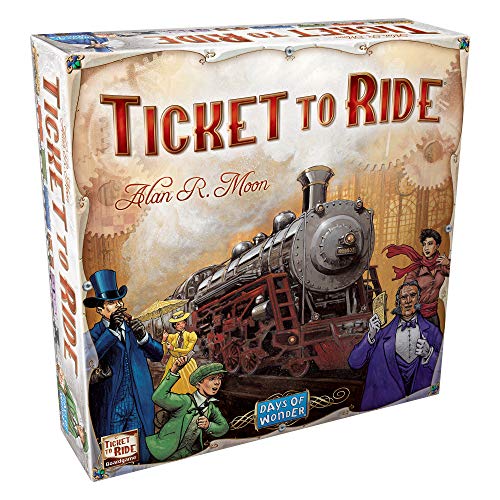
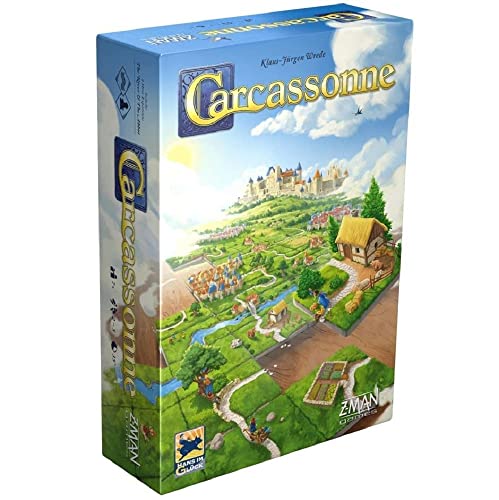
The truth is, many experienced gamers eventually own both. But if you’re choosing your first strategy game—or deciding which one to buy first—the differences matter. This comparison will help you make the right choice for your gaming group.
Quick Comparison at a Glance
| Feature | Ticket to Ride | Carcassonne | Winner |
|---|---|---|---|
| Learning Curve | 10 min, intuitive scoring | 10 min, scoring takes practice | Ticket to Ride |
| Strategic Depth | Moderate, route planning | High, adaptive tactics | Carcassonne |
| Best Player Count | 3-4 players | 2-3 players | Depends |
| Playtime | 45-60 min | 30-45 min | Carcassonne |
| Price | $45-55 | $30-40 | Carcassonne |
| Replayability | Good (50+ plays) | Excellent (100+ plays) | Carcassonne |
| Player Interaction | Moderate blocking | High tile interaction | Carcassonne |
Complexity and Learning Curve
Ticket to Ride Analysis:
Rules explanation takes about 10 minutes, and newcomers grasp the core gameplay within their first few turns. You collect colored train cards, claim routes on the board, and complete destination tickets connecting different cities. The visual clarity makes everything intuitive—if you have blue cards and want the blue route, you can claim it.
New players immediately understand what they’re trying to do. Children as young as 8 can play competitively alongside adults. There’s minimal downtime between turns since actions are quick and straightforward.
Carcassonne Analysis:
Teaching Carcassonne takes a similar 10-15 minutes, and the turn structure is actually simpler: draw a tile, place it, optionally place a meeple. However, the scoring system can confuse first-time players, especially the farming mechanics. Strategic implications take longer to understand—new players don’t immediately grasp which tile placements create long-term advantages.
Younger players (7+) can participate, but they’ll need guidance to make meaningful strategic decisions. The tactical nature means you’re constantly reacting to what other players do.
Winner: Ticket to Ride
Ticket to Ride edges ahead for complete beginners. The scoring is more straightforward, and players get immediate feedback on their decisions. If you’re teaching non-gamers or introducing strategy games to beginners, this slight clarity advantage matters.
When This Matters: If you’re primarily teaching family members or casual friends who rarely play board games, Ticket to Ride’s transparent scoring helps everyone stay engaged. For experienced gamers trying their first modern board game, both work equally well.
Strategic Depth and Replayability
Ticket to Ride Analysis:
Strategic decisions center on route efficiency, opponent blocking, and ticket selection. Do you claim that critical route now or gamble that it’ll be available later? Should you draw more cards or start claiming routes? Which long-distance tickets are worth the risk?
The luck factor from card draws can limit your options, but skilled players consistently outperform beginners by optimizing routes and reading the board state. Veterans know the chokepoint routes on each map and time their claims perfectly.
After 15-20 plays, strategies start feeling familiar. You’ll recognize optimal route combinations and develop preferred approaches. Different map versions and expansions help extend the game’s life.
Carcassonne Analysis:
Every tile placement creates cascading strategic implications. You’re constantly balancing completing your own features with disrupting opponents’ plans. Where you place meeples matters as much as where you place tiles—committing a meeple to a feature means you can’t use it elsewhere until that feature scores.
Tile probability calculations add depth for experienced players. You start remembering how many monastery tiles remain undrawn or which specific tiles you need to complete that massive city. Defensive play becomes crucial—you’ll place tiles specifically to prevent opponents from connecting their features.
The game stays fresh much longer than Ticket to Ride. Every game creates a unique medieval landscape with different strategic opportunities. I’ve logged over 100 plays and still encounter novel situations regularly.
Winner: Carcassonne
Carcassonne offers more emergent complexity that rewards repeated plays. The random tile draws combined with tactical placement decisions create scenarios that feel fresh longer. While Ticket to Ride provides solid strategic gameplay, Carcassonne’s depth ceiling is higher.
When This Matters: Players seeking a game that rewards developing mastery will find Carcassonne more satisfying long-term. If you prefer consistent, comfortable strategic experiences where you can perfect your approach, Ticket to Ride delivers that better.
Player Interaction and Table Talk
Ticket to Ride Analysis:
Player interaction happens primarily through blocking. You claim routes others need, forcing them to find alternate paths. The tension builds as you watch opponents reaching toward the same critical connections you’re planning.
Some groups play more aggressively, claiming routes specifically to disrupt opponents. Others focus on their own routes and only incidentally block each other. This flexibility lets you adjust the interaction level to match your group’s preferences.
Interaction scales with player count. At two players, the board feels spacious. At four or five players, route competition intensifies and blocking becomes unavoidable.
Carcassonne Analysis:
Every single tile placement affects all players. You’re not just building your own medieval landscape—you’re constantly interfering with everyone else’s plans. Can you connect your city to your opponent’s city to share (or steal) their points? Where can you place this monastery to block that perfect spot they needed?
The farming mechanic creates direct confrontation in the end game. Multiple players will compete for control of the same fields, leading to tense decisions about meeple commitment.
Table talk happens naturally as players discuss where tiles might go or lament drawing the one tile they didn’t want. Even during opponent turns, you’re engaged because their placements directly impact your strategy.
Winner: Carcassonne
Carcassonne creates more moment-to-moment interaction. Every tile placement can affect multiple players, keeping everyone engaged throughout the game. The interaction feels more organic and less potentially negative than Ticket to Ride’s blocking mechanics.
When This Matters: Groups that thrive on social gaming with constant interaction will prefer Carcassonne. Players who like focused, individual strategy with occasional blocking prefer Ticket to Ride’s style. If you enjoy cooperative games, Carcassonne’s constant player involvement might feel more familiar despite being competitive.
Production Quality and Table Presence
Ticket to Ride Analysis:
Component quality is excellent. The train cards are durable with clear iconography. The plastic train cars provide tactile satisfaction when placing them on routes—that satisfying click as you connect cities feels great.
The board itself is beautiful and functional. Routes are clearly marked, and the map design helps newer players visualize their options. Different versions offer different map aesthetics, from the classic USA to European routes.
Setup and teardown are straightforward. Everything has a place, and the box organizes well. The game requires moderate table space for the fixed board size.
Carcassonne Analysis:
The thick cardboard tiles feel premium and shuffle well. Wooden meeples are iconic and fun to place. The medieval artwork creates charm as your unique landscape develops.
Every game looks different. That organic board growth creates visual interest that Ticket to Ride’s static board can’t match. You’re literally building something new each play.
Tiles can show wear on edges over extensive play, but this rarely affects gameplay. Setup is minimal—just shuffle and start. Storage is efficient since tiles stack compactly. The game adapts to your available table space since the landscape grows organically.
Winner: Tie
Both games excel in different ways. Ticket to Ride offers premium tactile feedback with those satisfying train placements and beautiful fixed boards. Carcassonne creates visual variety and requires less storage space. Component durability is excellent for both.
When This Matters: Players with limited table space might prefer Carcassonne’s flexibility. Those who value component quality and consistent setup prefer Ticket to Ride’s premium feel. For gift-giving purposes, both present beautifully.
Scalability and Player Count Flexibility
Ticket to Ride Analysis:
The sweet spot is 3-4 players, where route competition creates tension without feeling frustrating. At two players, the board feels spacious and blocking is less impactful—still fun, but the competitive edge softens.
At five players, the game becomes tight and competitive. Routes fill quickly, and you’ll need backup plans for your backup plans. Some players love this intensity; others find it stressful.
Playtime remains consistent at 45-60 minutes across player counts. Downtime stays minimal since turns are quick.
Carcassonne Analysis:
Carcassonne shines brightest at 2-3 players. The two-player experience is excellent—a tactical head-to-head battle where every tile placement matters strategically. Many consider it one of the best 2-player strategy games available.
At four or five players, downtime increases and planning ahead becomes harder. You’ll draw your tile only to find the landscape has changed completely since your last turn. Turns stay quick, but you lose some strategic control.
Playtime varies from 30-45 minutes depending on player count. More players mean more tiles to place, extending the game slightly.
Winner: Depends on Your Typical Group Size
- 2 players: Carcassonne wins clearly
- 3-4 players: Ticket to Ride has a slight edge
- 5 players: Ticket to Ride significantly better
When This Matters: Your typical player count should heavily influence this decision. If you primarily play with a partner or one friend, Carcassonne is the obvious choice. Families or groups that regularly play with 4-5 people will get more mileage from Ticket to Ride.
Value and Long-Term Investment
Ticket to Ride Analysis:
The base game typically costs $45-55, positioning it as a premium gateway game. That price includes quality components and a complete gameplay experience—you don’t need expansions to enjoy it fully.
The expansion ecosystem is robust, with multiple standalone maps ($30-50 each) offering new strategic challenges. However, these are optional enhancements rather than necessities. The base game provides 50+ satisfying plays before you’ll feel the need for variety.
Resale value remains strong due to the game’s popularity and reputation. If you decide it’s not for you, selling it is easy.
Carcassonne Analysis:
Base game pricing sits at $30-40, making it more accessible for budget-conscious buyers or those uncertain about committing to hobby gaming. You’re getting exceptional value at this price point.
Over 10 expansions exist ($15-25 each), but they’re enhancements rather than fixes. The base game stands strong on its own and delivers 100+ unique plays. When you eventually want more variety, expansions are affordable additions.
The game holds resale value well, though its lower initial price means returns are modest. However, most buyers discover they never want to part with it.
Winner: Carcassonne
The lower entry price combined with higher replay value makes Carcassonne the better long-term investment. You’ll get more plays before feeling the need for expansions, and the base game costs less upfront.
When This Matters: Budget-conscious buyers or those exploring hobby gaming for the first time should start with Carcassonne. If you want a premium gift or don’t mind the higher price for Ticket to Ride’s specific gameplay style, the extra cost is justified.
The Final Verdict
There’s No Universal Winner
Both games deserve their gateway status. Ticket to Ride and Carcassonne have each sold millions of copies and successfully introduced countless players to modern board gaming. The right choice depends entirely on your gaming situation and preferences.
Choose Ticket to Ride If You:
- Regularly play with 3-5 players
- Prefer structured, predictable strategy with clear planning
- Want minimal rules overhead when teaching kids or non-gamers
- Enjoy set collection and route optimization mechanics
- Like games where long-term planning pays off
- Want lower player interaction with more individual focus
- Appreciate premium components and fixed setup
- Play primarily with family groups
Choose Carcassonne If You:
- Primarily play with 2-3 players
- Enjoy tactical, adaptive gameplay that changes each game
- Want a game that stays fresh through 100+ plays
- Prefer spatial puzzles and tile placement
- Value constant engagement during all players’ turns
- Want more direct player interaction moment-to-moment
- Need compact storage and flexible table space
- Have a tighter budget but still want premium quality
Consider Getting Both Eventually If:
You play at varying player counts regularly, host multiple gaming groups with different preferences, or want to build a collection that showcases different mechanics. These games complement each other beautifully. Carcassonne excels at tactical adaptability, while Ticket to Ride showcases strategic planning. Together, they represent two excellent approaches to accessible strategy gaming.
Alternative Considerations
Not convinced either game is quite right? Consider these alternatives:
- Splendor: More abstract, excellent at all counts, quicker play
- Azul: Pattern-building with beautiful components
- Pandemic: Cooperative alternative if you prefer working together
- 7 Wonders: Card drafting that plays up to 7 players simultaneously
My Personal Recommendation
After hundreds of plays of both games across different groups, start with Carcassonne. The lower price point ($30-40 vs $45-55), superior two-player experience, and higher replay value make it the safer first purchase for most situations.
Test Carcassonne with your group for 20+ plays. If you confirm your group enjoys strategy gaming and regularly plays with 4-5 people, add Ticket to Ride for that player count. The two games fill different niches perfectly.
If your primary concern is teaching complete non-gamers or playing mainly at 4-5 players, reverse this recommendation and start with Ticket to Ride.
Making Your Decision
Answer These Three Questions:
1. What’s Your Typical Player Count?
- Mostly 2: Carcassonne
- Usually 3-4: Slight edge to Ticket to Ride
- Often 5: Definitely Ticket to Ride
2. What Sounds More Appealing?
- “Building train routes across America”: Ticket to Ride
- “Creating a medieval landscape with tiles”: Carcassonne
3. How Important Is Long-Term Replayability?
- Want 100+ unique plays: Carcassonne
- Want 30-50 comfortable, familiar plays: Ticket to Ride
The Bottom Line
You can’t go wrong with either choice. Both games have sold millions of copies and introduced countless players to strategy gaming. The “wrong” choice here is not making a decision at all.
Ticket to Ride delivers satisfying route-building with accessible strategy and beautiful production. Carcassonne offers tactical tile placement with emergent complexity and exceptional value. Both will enhance your game nights and potentially launch a lifelong hobby.
Ready to make your choice? Pick the one that matches your situation, and you’ll have a fantastic entry into modern board gaming.
You Might Also Like
If you’re exploring gateway strategy games, these articles can help you continue your gaming journey:
- Best Board Games for Beginners – More accessible options to start your collection
- Ticket to Ride Alternatives – Similar route-building experiences
- Best Tile Games for Adults – More spatial puzzle games like Carcassonne
- Best 2-Player Strategy Games – Excellent options for couples and gaming pairs
- 10 Things You Need to Know About Catan – Another gateway classic worth considering
Which game did you choose for your first strategy game, and what made it the right fit? Share your experience in the comments below—especially if you started with one and later added the other!
Shop These Games:
Updated: October 14, 2025