
As an Amazon Associate I earn from qualifying purchases and sometimes recommend products from other sellers at no extra cost you. For more details see my disclosure policy and privacy policy.
The map shows your green armies controlling three key regions, but red’s forces are massing at your borders. One wrong move and your carefully built empire crumbles. This moment—where territorial positioning determines victory—captures why area control games create some of the most intense strategic experiences in board gaming.
Area control games stand apart from other strategy mechanics because they force you to think beyond your own plans. Every expansion puts a target on your back. Every defensive position telegraphs your next move. The best area control games balance aggressive expansion with defensive positioning, creating tension that builds throughout the entire game.
This tier list ranks area control games based on strategic depth, player interaction intensity, accessibility for different skill levels, and long-term replayability. The rankings consider how well each game delivers on the core promise of territorial conflict while offering meaningful decisions that separate skilled players from newcomers.
S-Tier: Genre Defining Masterpieces
Blood Rage (Complexity: 4/5)
Blood Rage elevates area control by making death profitable. This Viking-themed masterpiece combines territorial warfare with card drafting, creating a game where losing battles can advance your strategy. The Ragnarok theme isn’t just decoration—it fundamentally changes how you approach conflict.

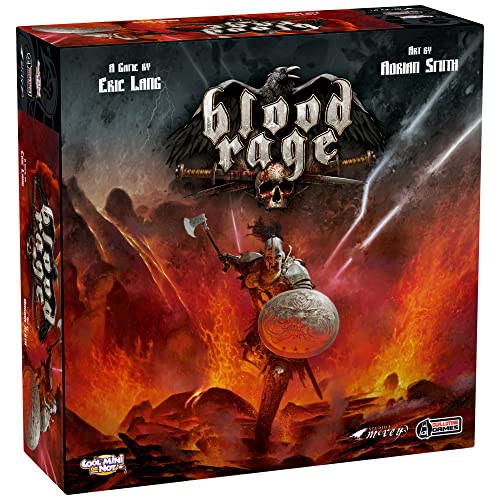
Why It’s S-Tier: Blood Rage solves the traditional area control problem of runaway leaders by rewarding different paths to victory. You can win through combat dominance, clever positioning, or strategic deaths that trigger powerful abilities. The card drafting adds a layer of information management that keeps every game fresh.
Strategic Highlights:
- Draft timing determines your clan’s capabilities
- Combat involves bluffing and resource management
- Glory points come from multiple sources, preventing single-strategy dominance
Perfect For: Players who want tactical combat with deeper strategic planning. Groups that appreciate tight games where the winner isn’t obvious until final scoring.
Potential Drawbacks:
- The death-as-strategy concept confuses new players initially
- Component storage requires organization
Twilight Imperium (4th Edition) (Complexity: 5/5)
When people talk about epic area control experiences, Twilight Imperium defines the category. This space opera combines territorial expansion with political negotiation, trade relationships, and technology development. No other game captures the feeling of building a galactic empire quite like TI4.
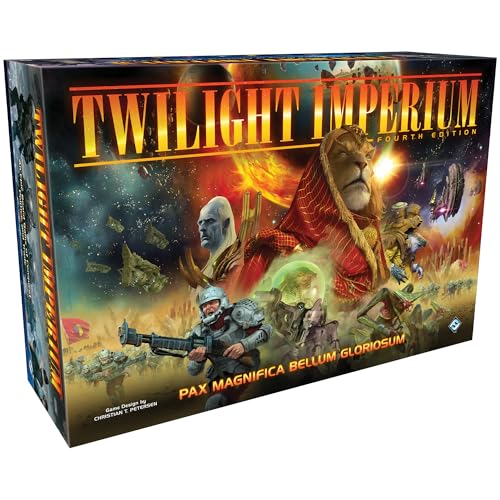
Why It’s S-Tier: Twilight Imperium creates stories that players remember for years. The multiple victory paths mean military dominance doesn’t guarantee victory. Political cards force player interaction beyond combat. The scope and ambition exceed every other game in the genre.
Strategic Highlights:
- Balancing military expansion with political maneuvering
- Technology trees that fundamentally change capabilities
- Objective cards that shift strategic priorities each round
Perfect For: Dedicated groups willing to invest 6-8 hours for an unforgettable experience. Players who love negotiation and political elements in their conflict games.
Potential Drawbacks:
- Time commitment eliminates casual play
- Learning curve intimidates newcomers
- Requires committed group for optimal experience
Kemet (Complexity: 4/5)
Kemet strips away the defensive turtle strategies that plague many area control games. Every action encourages aggression. The Egyptian mythology provides a framework for escalating powers that keep combat relevant throughout the game.
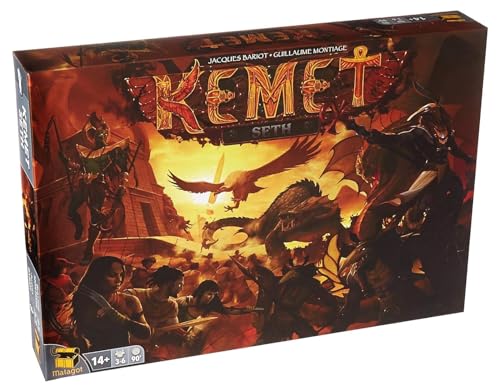
Why It’s S-Tier: Kemet rewards boldness over caution. The power tile system creates asymmetric abilities that prevent stale gameplay. Combat resolution is quick but meaningful. The game scales beautifully from 2-5 players without losing intensity.
Strategic Highlights:
- Balancing power development with territorial goals
- Combat prediction based on visible army strengths
- Timing major offensives for maximum impact
Perfect For: Groups that want consistent interaction and minimal downtime. Players who prefer direct conflict over indirect competition.
Potential Drawbacks:
- Heavy emphasis on combat may not appeal to all strategy gamers
- The game demands aggressive play that some find stressful
A-Tier: Exceptional Experiences
Inis (Complexity: 3/5)
Inis brings Celtic mythology to life through elegant card play and beautiful area control. The three victory conditions create multiple viable strategies, while the draft-and-play card system ensures that player capabilities evolve throughout the game.
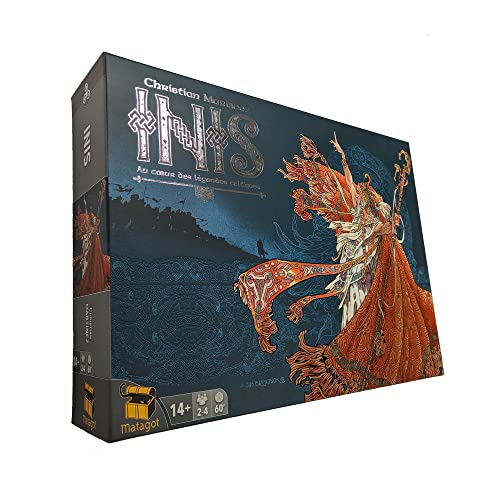
Why It’s A-Tier: The card drafting creates perfect information that rewards careful planning. Victory conditions balance territorial control with population growth and religious influence. The modular board keeps games fresh. Combat is deterministic but tactically rich.
Strategic Highlights: Reading opponent hands becomes crucial for predicting moves. Balancing the three victory paths requires flexible thinking. Sanctuary placement affects long-term territorial control.
Perfect For: Players who appreciate elegant systems over complex ones. Groups that want area control without random combat resolution.
Risk: Legacy (Complexity: 3/5)
Risk: Legacy transforms the classic formula by making permanent changes to the game itself. Cities, continents, and rules evolve based on player decisions. This creates a unique area control experience that literally changes with each play.
Why It’s A-Tier: The legacy system makes every game matter beyond the current session. Simple rules welcome new players while strategic depth emerges through repeated play. Permanent changes create investment in outcomes that standard games can’t match.
Strategic Highlights: Balancing immediate victory with long-term advantages. Understanding how permanent changes affect future games. Managing the evolving strategic landscape as rules change.
Perfect For: Groups with consistent membership willing to play multiple sessions. Players who want their choices to have lasting consequences.
Potential Drawbacks: Requires the same group for the legacy experience. Some may dislike permanently altering game components.
Ethnos (Complexity: 2/5)
Ethnos combines area majority with hand management in a fantasy setting where different races provide unique abilities. The game creates tension between holding cards for better combos and playing them before opponents block your plans.
Why It’s A-Tier: Multiple scoring rounds prevent runaway leaders. The race abilities create different strategic paths each game. Simple rules hide meaningful decisions about timing and positioning. Scales well from 2-6 players.
Strategic Highlights: Card timing affects both current and future scoring opportunities. Reading the board to identify optimal expansion targets. Balancing hand size with board presence.
Perfect For: Groups that want medium-weight strategy without complex rules. Players who enjoy tactical hand management combined with territorial play.
El Grande (Complexity: 3/5)
El Grande established many conventions that modern area control games follow. Set in medieval Spain, it combines area majority with action selection and hidden information. The tower mechanism for secret deployments remains unique among area control games.
Why It’s A-Tier: The action selection creates meaningful turn order decisions. Hidden deployments in the tower add uncertainty to planning. Scoring tracks multiple regions, preventing single-area focus. The game has aged remarkably well despite its 1995 design.
Strategic Highlights: Action card timing affects available options. Tower timing can swing region control. Mobile scoring track creates shifting priorities.
Perfect For: Players who appreciate classic game design that emphasizes pure strategy. Groups that want area control without combat resolution.
Chaos in the Old World (Complexity: 4/5)
Set in the Warhammer Fantasy universe, Chaos in the Old World gives each player completely different victory conditions and abilities. The asymmetric factions create unique strategic challenges that require different approaches to territorial control.
Why It’s A-Tier: Asymmetric victory conditions create unique strategic puzzles for each faction. The corruption system adds a time pressure that prevents passive play. Theme integration is exceptional among area control games.
Strategic Highlights: Understanding each faction’s optimal strategies. Managing the corruption track’s endgame pressure. Balancing faction abilities with territorial goals.
Perfect For: Players who want asymmetric strategy with strong theme integration. Groups familiar with tactical combat games looking for deeper strategy.
Potential Drawbacks: Out of print and expensive to acquire. Faction balance learning curve can frustrate newer players.
B-Tier: Solid Strategic Options
Small World (Complexity: 2/5)
Small World’s declining civilizations mechanic addresses the expansion problem in area control games. When your empire becomes overextended, you can put it into decline and start fresh with a new civilization combination.
Why It’s B-Tier: The decline mechanism solves the traditional area control problem of optimal empire size. Race and power combinations create hundreds of different strategic approaches. Simple combat resolution keeps games moving. Beautiful artwork and components enhance the experience.
Strategic Highlights: Timing civilization decline for maximum benefit. Evaluating race/power combinations for current board state. Managing multiple civilizations across decline cycles.
Perfect For: Families and casual groups wanting accessible area control. Players who appreciate clever mechanical solutions to genre problems.
Potential Drawbacks: Limited strategic depth compared to heavier games. Can feel repetitive after many plays.
Cyclades (Complexity: 3/5)
Cyclades combines area control with auction mechanics in ancient Greece. Players bid for the favor of gods who grant different actions, creating an economic layer on top of territorial expansion.
Why It’s B-Tier: The auction system creates interesting decisions about resource allocation. Different gods provide varied strategic paths. The building system adds development beyond pure territorial control. Mythological creatures add tactical variety.
Strategic Highlights: Auction timing affects available actions and turn order. Balancing economic development with military expansion. Using mythological creatures for tactical advantages.
Perfect For: Players who enjoy auction mechanics combined with area control. Groups that want indirect conflict through economic competition.
Potential Drawbacks: Auction dynamics can create runaway leader problems. Downtime increases with more players.
Lords of Waterdeep (Complexity: 2/5)
While primarily a worker placement game, Lords of Waterdeep includes area control elements through building ownership and quest completion territories. The D&D theme and intrigue cards add flavor to the strategic decisions.
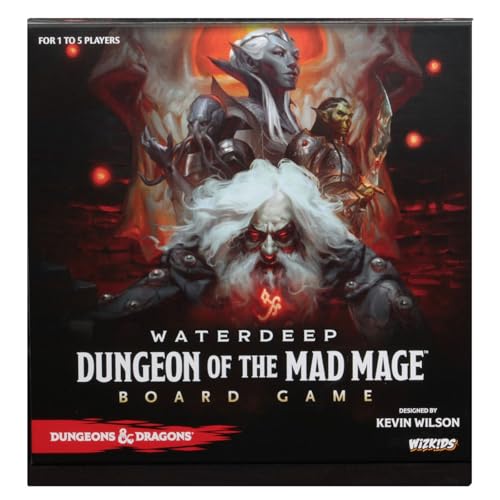
Why It’s B-Tier: Combines multiple mechanics successfully without overwhelming complexity. The secret lord cards create hidden scoring incentives. Intrigue cards add interactive elements to worker placement. Strong theme integration for D&D fans.
Strategic Highlights: Balancing building construction with quest completion. Reading opponents’ likely lord identities. Using intrigue cards for maximum disruption.
Perfect For: Players new to strategy board games who want gentle introduction to area control concepts. D&D fans seeking board game alternatives.
Potential Drawbacks: Limited pure area control compared to other games on this list. Can feel mechanical rather than thematic.
Shogun (Complexity: 4/5)
Shogun brings feudal Japan to life through area control combined with the famous cube tower combat resolution system. The tower adds uncertainty to military planning while maintaining tactical decision-making.
Why It’s B-Tier: The cube tower creates memorable moments and adds uncertainty to combat. Economic development affects military capability. The Japan setting is well-integrated into gameplay mechanics. Multiple victory paths prevent pure military dominance.
Strategic Highlights: Managing cube distributions for favorable combat odds. Balancing economic investment with military expansion. Timing major campaigns around harvest seasons.
Perfect For: Players who want thematic area control with unique combat resolution. Groups that appreciate innovative mechanics combined with historical settings.
Potential Drawbacks: The cube tower can be inconsistent and frustrating. Setup and tear-down time is significant.
C-Tier: Niche Appeals
Mare Nostrum (Complexity: 4/5)
Mare Nostrum simulates ancient Mediterranean civilizations through trade, military conquest, and cultural development. The game tries to balance multiple mechanics but doesn’t excel at any particular element.
Why It’s C-Tier: Ambitious scope covers military, economic, and cultural development. Trade relationships create diplomatic elements. Multiple victory conditions provide strategic variety.
Potential Issues: Game length can exceed enjoyment for many groups. Balance issues favor certain strategies. Rules complexity doesn’t translate to proportional strategic depth.
Perfect For: History enthusiasts who prioritize theme over mechanical refinement. Groups that enjoy long, complex civilization games.
Nexus Ops (Complexity: 3/5)
Nexus Ops offers sci-fi area control with alien creatures and moon mining. The game provides accessible rules and quick play, but lacks the strategic depth that defines the best area control experiences.
Why It’s C-Tier: Fast play keeps engagement high. Unique alien units add tactical variety. Secret mission cards provide hidden scoring opportunities.
Potential Issues: High randomness can undermine strategic planning. Limited strategic depth compared to similar complexity games. Theme feels generic despite sci-fi elements.
Perfect For: Groups wanting quick area control games under 90 minutes. Players who prefer tactical skirmishes over deep strategy.
Strategic Deep Dive: Mastering Area Control
Core Area Control Principles
Understanding these fundamental concepts will improve your performance across all area control games:
Territory Economics forms the foundation of most area control games. Key considerations include:
- How controlling areas generates resources, points, or strategic advantages
- Optimal expansion priorities based on economic returns
- Resource allocation between expansion and consolidation
In Kemet, temple control provides prayer points for power tiles. In Blood Rage, province control offers tribute for army management. Successful strategy games reward players who optimize these economic relationships.
Military Positioning requires balancing offensive capabilities with defensive needs:
- Avoiding overextension that leaves territories vulnerable
- Creating local force superiority without limiting territorial coverage
- Reading opponent capabilities and adjusting force distribution accordingly
Timing Your Strikes separates skilled players from ambitious newcomers:
- Early aggression can establish dominance but makes you a target
- Late aggression may lack time to recover lost ground
- Identifying optimal attack windows based on board state and opponent psychology
Reading the Table involves understanding player positions and motivations:
- Recognizing when you’re perceived as the leader
- Building temporary alliances to counter dominant players
- Preventing kingmaking situations that undermine strategy
Player Count Considerations
2-Player Dynamics create direct confrontation with minimal political elements. Games like Kemet and Blood Rage become tactical duels where military positioning and resource management dominate strategy. The absence of third parties eliminates diplomatic complexity but intensifies every territorial decision.
3-4 Player Sweet Spot provides the ideal balance for most area control games. Multiple alliance possibilities create shifting diplomatic relationships. Players can target leaders without guaranteeing specific winners. Games designed for this count often achieve their optimal tension levels.
5+ Player Chaos introduces complexity that some embrace and others find overwhelming. Tracking multiple opponents becomes challenging. Kingmaking concerns increase as players’ actions can arbitrarily determine winners among other players. Games that handle higher counts well usually include catch-up mechanisms or multiple victory paths.
Best Area Control Games by Player Count
Find the perfect territorial strategy game for your group size
| Game | 2 Players | 3 Players | 4 Players | 5 Players | 6+ Players |
|---|---|---|---|---|---|
|
Blood Rage S-Tier
60-90 min | Age 14+
|
Good | Optimal | Optimal | Good | — |
|
Twilight Imperium 4E S-Tier
240-480 min | Age 14+
|
— | Playable | Good | Optimal | Optimal |
|
Kemet S-Tier
90-120 min | Age 13+
|
Optimal | Optimal | Optimal | Good | — |
|
Inis A-Tier
60-90 min | Age 14+
|
Good | Optimal | Optimal | Playable | — |
|
Risk: Legacy A-Tier
60-90 min | Age 13+
|
Playable | Good | Optimal | Optimal | Playable |
|
Ethnos A-Tier
45-60 min | Age 14+
|
Good | Optimal | Optimal | Good | Good |
|
El Grande A-Tier
90-120 min | Age 12+
|
— | Good | Optimal | Optimal | Playable |
|
Chaos in the Old World A-Tier
90-150 min | Age 13+
|
— | Optimal | Optimal | Playable | — |
|
Small World B-Tier
40-80 min | Age 8+
|
Optimal | Optimal | Optimal | Optimal | Playable |
|
Cyclades B-Tier
90 min | Age 13+
|
Good | Optimal | Optimal | Optimal | — |
|
Lords of Waterdeep B-Tier
60-120 min | Age 12+
|
Optimal | Good | Good | Optimal | Playable |
|
Shogun B-Tier
120-180 min | Age 12+
|
— | Good | Optimal | Optimal | Playable |
Rating Legend
📝 Quick Selection Tips
- 2 Players: Kemet and Small World offer the best head-to-head territorial battles
- 3-4 Players: Most area control games hit their sweet spot here with optimal tension
- 5+ Players: Twilight Imperium and Risk: Legacy excel with larger groups
- New Players: Start with Small World regardless of player count
- Time Constraints: Ethnos and Small World under 90 minutes
Common Strategic Mistakes
Avoid these pitfalls that frequently trap area control newcomers:
Overextending Early represents the most frequent error in area control games:
- New players prioritize expansion over consolidation
- Creates vulnerable positions that experienced opponents exploit
- Learning proper pacing prevents self-defeating territorial grabs
Ignoring Defensive Positioning leaves successful expansions vulnerable:
- Focusing only on offensive moves without considering counterattacks
- Failing to build defensive lines while expanding
- Not maintaining reserves for emergency defense
Failing to Recognize Leadership causes continued aggression when consolidation is needed:
- Missing when you’ve become the table’s target
- Continuing expansion when you should maintain current advantages
- Triggering coordinated responses from other players
Poor Timing of Major Offensives wastes resources and reveals intentions:
- Attacking before opponents are truly vulnerable
- Revealing strategic plans too early in the game
- Benefiting other players more than yourself through premature strikes
Recommendations by Player Type
For Newcomers to Area Control
Gateway Pick: Small World offers the most accessible introduction to area control concepts:
- Declining civilization mechanic teaches optimal expansion timing
- Prevents runaway leader problems that frustrate new players
- Simple combat resolution keeps focus on strategic decisions
Why These Work: Small World provides several advantages for newcomers:
- Fixed game length eliminates pacing concerns
- Race and power combinations provide variety without overwhelming complexity
- Visual feedback helps new players understand territorial advantages
- For players new to strategic gaming, Small World provides excellent preparation
Learning Path: Build area control skills gradually:
- Start with Small World to master basic expansion concepts
- Progress to Ethnos for hand management integration
- Advance to Inis for draft-based planning and deeper strategy
For Experienced Strategy Gamers
Advanced Options: Twilight Imperium, Blood Rage, and Kemet reward the analytical thinking that experienced strategy gamers have developed. These games provide multiple victory paths that prevent single-strategy dominance while offering enough complexity to reward careful study.
Mechanical Complexity: Advanced area control games typically integrate multiple mechanics that interact in sophisticated ways. Blood Rage’s card drafting affects combat capabilities. Twilight Imperium’s political system influences territorial control. Experienced players often appreciate how these systems create emergent strategies.
Time Investment: Complex area control games require significant time commitments that casual groups can’t support. Twilight Imperium’s 6-8 hour sessions demand dedicated players. Blood Rage and Kemet offer similar strategic depth in 90-120 minute sessions.
For Different Group Dynamics
Competitive Groups benefit from games that reward skill over luck while maintaining competitive balance. Kemet and Blood Rage provide deterministic combat with tactical depth. Inis offers perfect information that rewards careful planning and prediction.
Diplomatic Groups should focus on games with negotiation and alliance mechanics. Twilight Imperium excels at political maneuvering. Risk: Legacy creates investment in future games that encourages relationship management. These games reward communication skills alongside territorial strategy.
Casual Groups need games that balance strategy with accessibility and reasonable play times. Small World and Ethnos provide meaningful decisions without overwhelming complexity. Summer gaming sessions often benefit from shorter, more accessible area control options.
Budget Considerations and Buying Guide
Under $50: Accessible Entry Points
Small World typically retails for $40-45 and provides excellent value for newcomers to area control gaming. The game includes everything needed for 2-5 players with high-quality components that enhance the experience. Multiple expansions are available for groups that exhaust the base game’s variety.
Ethnos usually costs $30-40 and offers significant replay value through variable setup and multiple strategies. The fantasy theme appeals to broader audiences than historical or abstract games. Budget-conscious gamers will appreciate the strategic depth relative to cost.
$50-$100: Premium Experiences
Blood Rage and Kemet typically retail in the $60-80 range and justify their cost through exceptional component quality and strategic depth. Both games provide dozens of plays before strategies feel exhausted. The miniatures and artwork enhance the thematic experience significantly.
Inis costs $50-70 and offers unique mechanical innovations that distinguish it from other area control games. The beautiful artwork and Celtic theme create memorable experiences that justify the premium price point.
$100+: Investment Games
Twilight Imperium (4th Edition) commands $150+ but provides unmatched epic gaming experiences for dedicated groups. The component quality, strategic depth, and memorable gameplay justify the investment for groups that appreciate grand strategy experiences.
Consider the time-per-dollar value when evaluating expensive games. Twilight Imperium’s cost per hour compares favorably to other entertainment options for groups that play regularly.
Looking Ahead: The Future of Area Control
Area control games continue evolving as designers experiment with hybrid mechanics and innovative themes. Recent releases combine area control with worker placement, deck building, and legacy systems. The genre’s core appeal—territorial competition creating interpersonal tension—remains constant while presentation and mechanical integration improve.
Digital integration offers new possibilities for area control games. Apps can handle complex calculations, enable asynchronous play, and provide AI opponents for solo practice. However, the social interaction that defines great area control experiences ensures that physical games will remain the preferred format for most players.
The rise of campaign and legacy systems provides exciting directions for area control design. Games where territorial control affects future sessions create investment levels that traditional games can’t match. Expect more designers to explore how persistent consequences can enhance the already compelling territorial competition formula.
Bottom Line: Blood Rage offers the best combination of strategic depth, thematic integration, and accessibility for most gaming groups. New players should start with Small World before progressing to more complex options. Experienced strategy gamers will find Twilight Imperium provides the ultimate area control experience for groups willing to invest the time.
Which area control game has created your most memorable territorial conflicts? What draws you to the tension of expanding empires and defending borders? Are there any games you’d rank differently on this list?
You Might Also Like
- Best Deck Building Board Games – Discover how deck builders create different strategic tensions
- Catan Alternatives – Explore games that build on Catan’s area control foundations
- Historical Strategy Board Games – Find area control games with rich historical themes
- Wingspan Advanced Strategy – Learn engine building strategies that complement area control skills
Updated: August 19, 2025