
As an Amazon Associate I earn from qualifying purchases and sometimes recommend products from other sellers at no extra cost you. For more details see my disclosure policy and privacy policy.
There’s a particular kind of frustration that only control players know. You’ve answered every threat, your opponent is top-decking, your hand is full of interaction — and somehow you’re still not winning. You’ve survived perfectly. You just haven’t closed the game.
That gap, between surviving and winning, is where most control players live. And it’s not a card quality problem. It’s a conceptual one. Control is the archetype where the distance between beginner play and advanced play is widest on MTG Arena, and the reason is simple: the skills that look like control — countering spells, drawing cards, staying alive — are not the same as the skills that actually win games with control.
This guide is about making that shift. Not from bad to good, but from “answer everything” thinking to “answer the right things” thinking. It’s a genuinely difficult concept to internalise, and almost nobody talks about it directly.
| Archetype | Control |
| Formats covered | Standard (Bo1 and Bo3) |
| Skill level | Intermediate to advanced |
| Core concept | Identifying and protecting your win condition, not answering every spell |
| Key formats on Arena | Ranked Standard, Standard events |
The Fundamental Misunderstanding Most Control Players Start With
Control is often described as the opposite of aggro: answer threats, draw cards, and eventually deploy a game-ending finisher that your opponent can’t handle. That description is accurate. It’s also where the trouble starts.
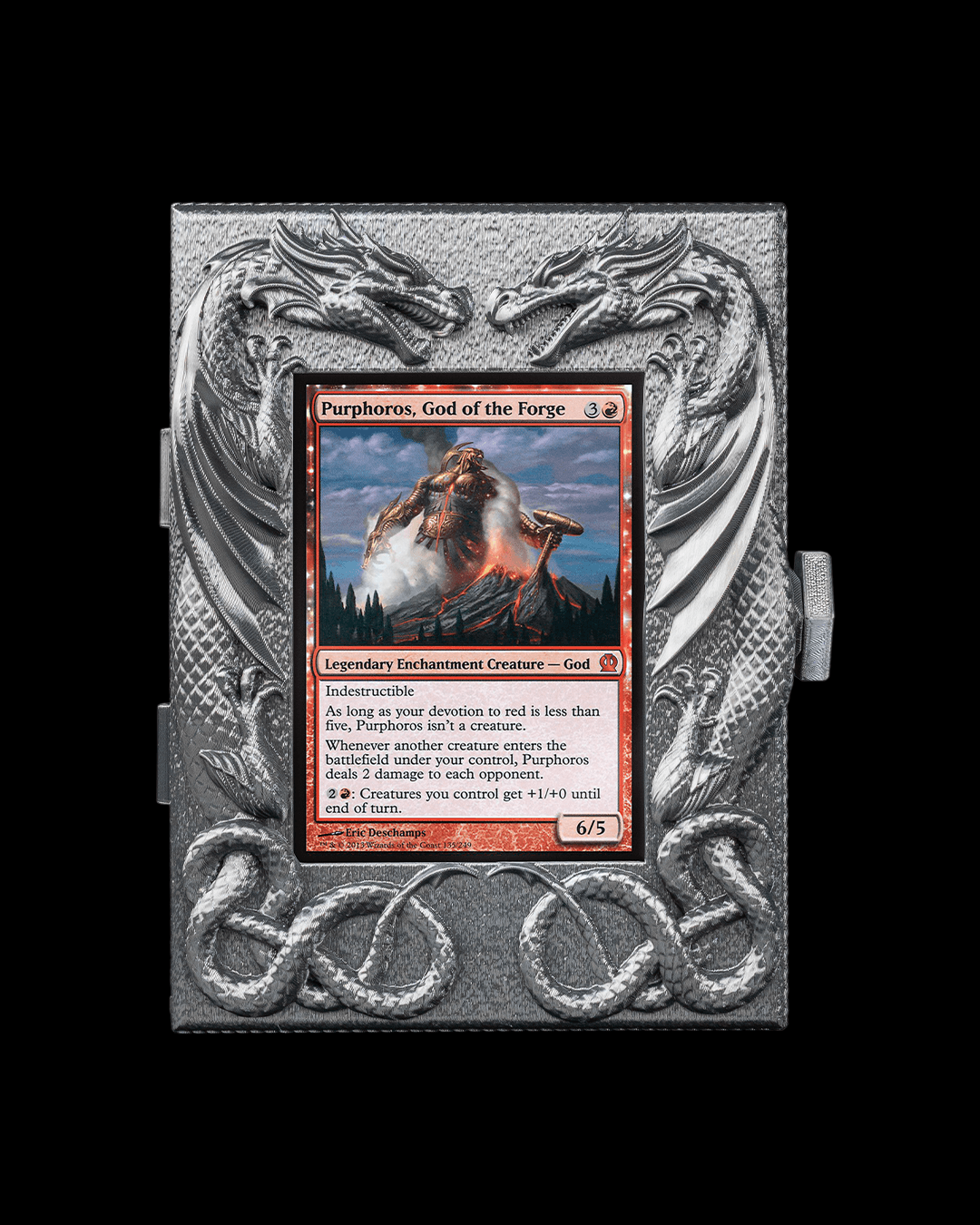
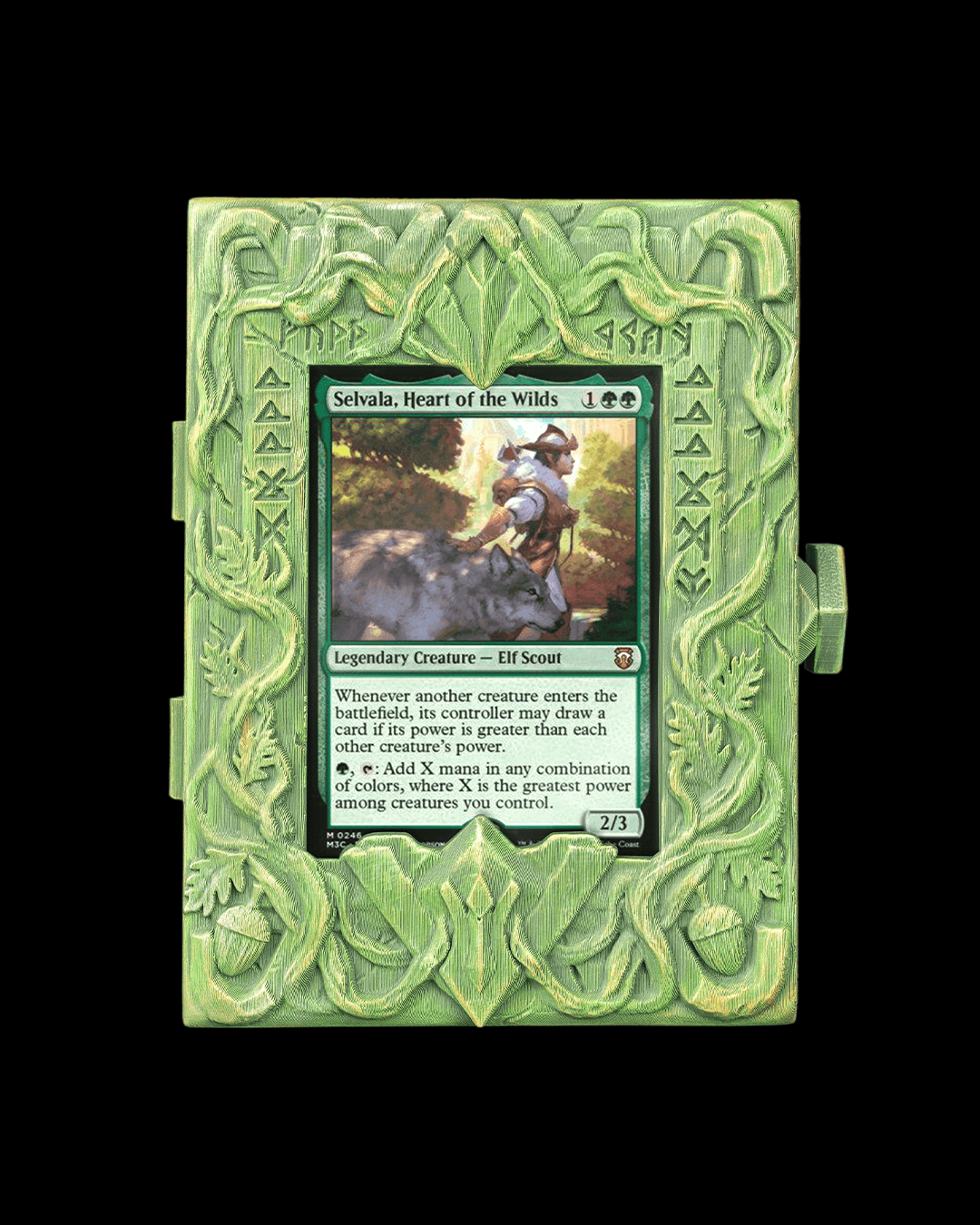
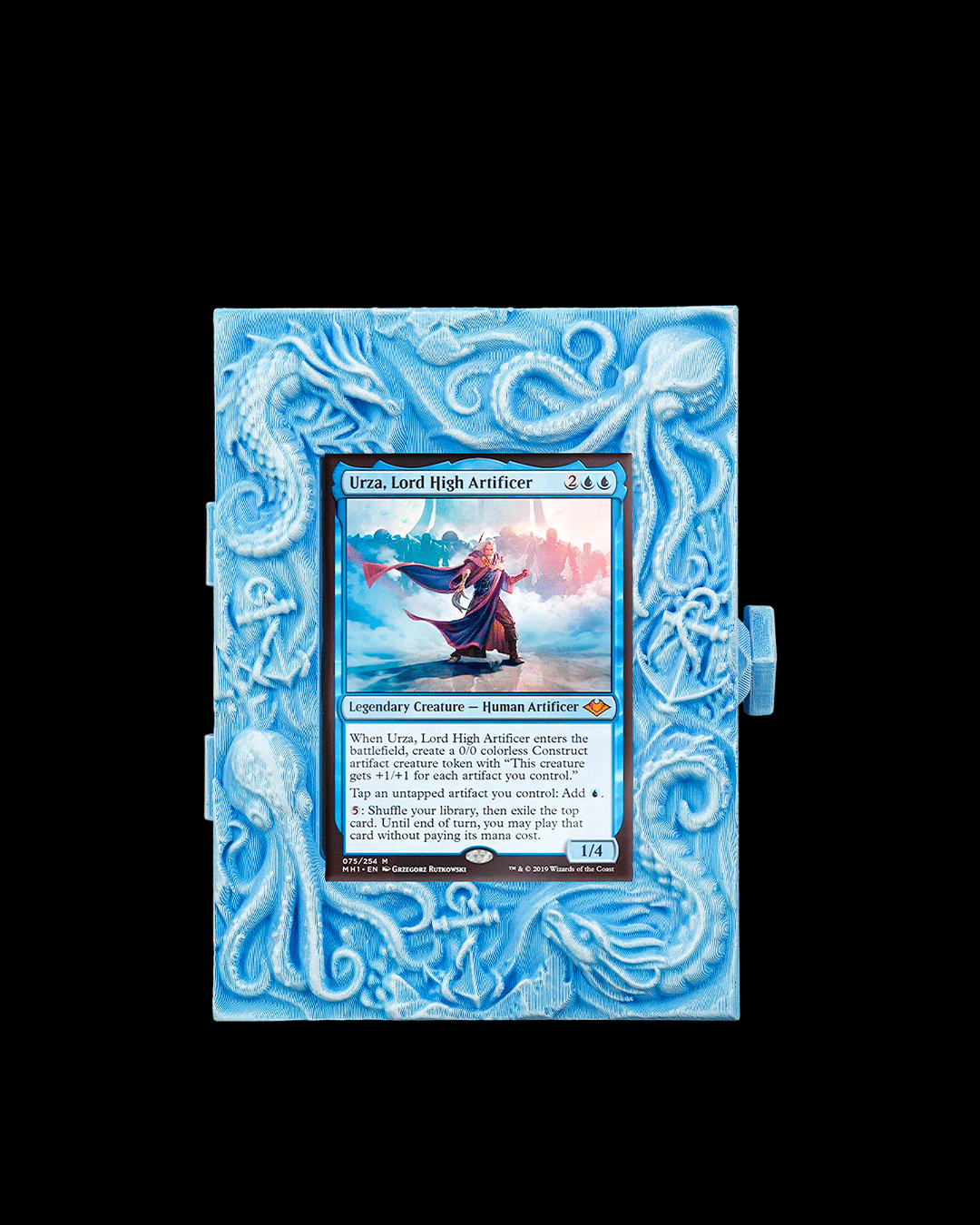
Most players read “answer threats” and mentally translate it into “answer every card my opponent plays.” This feels correct. It feels responsible. It is, unfortunately, one of the main reasons control players lose games they should win.
The distinction that matters is between threats and spells. A 2/1 that deals two damage once is a spell. An enchantment that generates a card per turn for three turns is a threat. A planeswalker that produces tokens every rotation is a threat. A two-drop that attacks twice and trades with your blocker is probably just a spell you can afford to let through. When you try to answer both categories with equal urgency, you burn through your interaction on things that don’t actually threaten your game plan, and you run dry when the real threat arrives.
Who Is the Beatdown?
There’s another layer to this that experienced players know well: control isn’t always the control player. In some matchups — particularly mirrors against 4-colour or 5-colour control shells — your opponent has more powerful top-end cards, more card advantage engines, or inevitability you can’t match if the game goes long enough. In those situations, you are the beatdown. You need to deploy your threats and pressure your opponent’s resources, not sit back and wait.

Recognising which role you’re playing in a given matchup is one of the cleaner tests of control experience on Arena. If you’ve correctly identified that your opponent has more inevitability than you do, the answer isn’t to answer more of their spells — it’s to accelerate toward your own win condition before they reach theirs.
A useful mental exercise: take a Jeskai control hand on the draw against an aggressive red deck and actually circle which pieces you’re planning to let resolve. Not because you’re out of answers, but because those spells don’t threaten the things that actually cause you to lose. Save your counterspell for their card-draw engine or anthem effect. Let the early creatures trade off with your blockers or eat your cheap removal. Deciding what is allowed to matter is the core skill.
Card Selection and Hand Management: The Real Skill Floor of Control
Before you ever make an in-game decision about which spell to counter, you’ve already made the most important decisions in the match: what cards are in your 75, and whether you kept the right opening hand.
Card selection isn’t just about running good cards. It’s about running cards that serve multiple roles. The best control pieces in Standard tend to be modal or flexible — removal that hits multiple card types, counterspells with backup modes, card draw that also filters rather than just adding raw quantity. When every card in your hand can do at least two things, you’re far less likely to reach a state where your hand is full of answers that don’t apply to the threat in front of you.
The current Standard field — a mix of Izzet Control, Jeskai Control, 4-colour shells, aggressive red, and midrange — rewards a well-balanced interaction suite. You generally want cheap 1-3 mana interaction to handle the fast starts, enough card draw to ensure you’re never in a state where you’ve played your sixth land and have nothing to do with it, and a small number of win conditions rather than a pile of finishers that compete with each other for mana.
Mana Curve and Colour Consistency
Control lists in this era tend to be heavily blue for counterspells and card draw, with splashes for removal and bombs. That colour commitment has a real implication for hand evaluation: a hand with early colour consistency and two interactive plays is almost always better than a more powerful hand that stumbles on mana for two turns.
Two turns of not doing anything in the current Standard field is enough time for an aggressive deck to establish a position that costs you two or three cards to undo. A clean, functional hand that curves out beats a greedy hand with a better top-end nearly every time.
Mulligan Philosophy for Control
In Bo1, where you don’t know what you’re facing, keep hands that have early interaction plus card selection. Hands built entirely around expensive sweepers are dangerous — they require things to go a specific way before they do anything. A hand with a two-mana removal spell and a three-mana card draw effect gives you options on both of the first turns that matter.
In Bo3, you can adjust. Going into a known aggro matchup, bias your keeps toward cheap removal and lifegain. Going into a control mirror, prioritise card draw, countermagic, and whatever your win condition is, because surviving isn’t enough — you need to actually close the game.
A useful way to stress-test a keep: look at each card in the hand and ask whether it contributes to your actual win path, or just exists. A hand full of reasonable cards that don’t add up to a coherent plan is a worse keep than it looks. A hand where each card has a role in the first four turns is a stronger keep than it looks.
Knowing Your Win Conditions and Protecting the Path to Them
Here is the cleanest articulation of advanced control thinking: control doesn’t win by answering things. It wins by something specific, and that specific thing needs to survive for one to three turns.
This sounds obvious until you watch how beginner and intermediate control players deploy their win conditions. They’ve spent the entire game treating their counterspells and removal as the primary tools. When the finisher finally arrives, they play it — and then continue using their remaining interaction the same way they’ve used it all game, reacting to whatever their opponent does next rather than steering every decision toward protecting the card that actually wins.
Types of Win Conditions in Current Standard Control
The main control shells in 2025-26 Standard Arena all win differently, and recognising which type of win condition you’re playing shapes every decision in the mid-game.
Planeswalkers that generate advantage over multiple turns and eventually ultimate are the most common — they’re resilient against creature-based removal and force opponents to sacrifice tempo to answer them. Large creatures with built-in protection or enters-the-battlefield value are the next most common. Some shells lean on hard-to-interact-with permanents like sagas or enchantments that snowball over time.
Each of these win conditions has different vulnerability windows. A planeswalker is vulnerable the turn you play it, before it generates loyalty. A large creature is vulnerable to exile-based removal. Understanding your finisher’s weakness tells you exactly which piece of your opponent’s hand you need to counter — not every piece, just the one that interacts with your specific win condition.
The “Protect the Queen” Mindset
Once you’ve identified your win condition and it’s in your hand or on the battlefield, the purpose of your remaining interaction changes completely. You’re no longer playing reactive control. You’re playing protection magic.

That means holding counters not for whatever your opponent plays next, but specifically for the exile removal, planeswalker answer, or reset spell that undoes your win condition. It means being willing to let a midrange threat resolve — even a meaningful one — if you can sweep it later, because spending your counter on it now leaves your finisher unprotected.
This is the hardest habit to build because it requires resisting the instinct to answer the thing in front of you. The thing in front of you is real and visible. Your win condition dying to a card you chose not to counter is a future hypothetical. Advanced control players live comfortably in that future hypothetical. They’re planning four turns ahead, not one.
How the Current Meta Shapes Which Control Tools Are Worth Running
Control theory is useful. Current Standard metagame knowledge is what makes that theory work in practice. The two have to be combined.
The 2025-26 Standard field on Arena features a significant control presence — Izzet Control, Jeskai Control, and 4-5 colour control shells make up a large share of the competitive field, alongside fast aggressive red strategies and midrange. That distribution has direct implications for deck construction.
Against a field heavy with spell-based Izzet decks and token or landfall strategies, you need removal that catches wide boards and efficient counterspells for card-draw engines, not niche single-target answers. Against combo or reanimator strategies, you need to budget graveyard interaction either in your main deck or sideboard — countermagic alone isn’t sufficient if the combo goes off from the bin.
Bo1 vs Bo3 on Arena
Control plays differently depending on the format. Bo3 is where control is most comfortable, because the sideboard allows you to hedge across the full range of matchups you’ll face. In game two and three, you can bring in targeted hate — lifegain against aggro, additional countermagic against other control decks, graveyard disruption against recursive strategies.

Bo1 pushes back against that precision. With no sideboard and no prior knowledge of your opponent’s archetype, you want tools that work across multiple match states: removal that hits both creatures and artifacts, sweepers that handle a variety of board configurations, card draw that also filters rather than just adding volume. Broad, flexible cards that are never dead are worth more in Bo1 than highly efficient, narrowly applicable ones.
A useful pre-session check: identify the top two or three archetypes you expect to face in your current rank bracket, and count how many cards in your 75 specifically help those matchups. If the answer is fewer than four to six, your deck is probably less prepared than it should be.
Managing the Clock: When Control Needs to Close Games Faster Than You Think
Control players sometimes develop a bad relationship with winning. The game state feels comfortable — you’re ahead on cards, your opponent is running out of threats — and there’s a subtle reluctance to commit, because committing means taking a risk. Holding every piece of interaction forever feels safe.
It is not safe. It is, in many cases, how you lose.
Recognising When You’re Already Winning
If your opponent is top-decking, has no cards in hand, and you have a card-advantage engine running plus a stable board, you are already winning. You don’t need to wait for a perfect moment. You need to deploy your finisher and convert the advantage you’ve built into actual game points before your opponent top-decks the one card that undoes everything.
In control mirrors, this instinct becomes even more important. If you’ve pulled ahead on cards and mana, the longer you wait to deploy a threat, the more chances your opponent has to rebuild. Advanced control players in mirror matches pivot from “never tap out” to “tap out precisely, at the moment that closes the game” as soon as they’ve identified a winning position.
Building for Reasonable Win Speed
Deck construction plays a role here too. If your only win condition is a single expensive spell with no redundancy, you’re asking for trouble in tight matches — both because of the rope in Bo1 Arena and because a single piece of disruption from your opponent ends your game plan entirely.
The best current Standard control lists run multiple win conditions that can close within a few turns of being safely deployed. Planeswalkers that ultimate in three or four turns, creatures that attack for significant chunks, hard-to-remove permanents that generate advantage — the variety matters. It means you can win through some disruption even if your preferred finisher gets answered.
A practical tip for Arena specifically: plan your turn during your opponent’s time wherever possible. Auto-resolve decisions that don’t require deliberation. Avoid spending time on end-of-turn spell sequencing that doesn’t actually change your plan. Playing too slowly — both in game decisions and in how long you take to close out winning positions — is just another way of losing.
The Current Control Shells in Standard and Their Strategic Profiles
Understanding control theory is one thing. Knowing how the actual archetypes on Arena embody that theory is what makes you a better player in the specific matches you’re playing right now.
The major control archetypes in 2025-26 Standard can be understood through the lens of the concepts covered above.
Izzet Control is the most straightforward application of “answer the right things.” Blue-red interaction gives you efficient counterspells and burn-based removal, and the win conditions tend to be low in number but high in impact — dragons, powerful artifact creatures, or spells that close games quickly once the path is clear. The skill in Izzet control is mana efficiency: every mana you hold up has to earn its keep, and the tight colour pair rewards players who know exactly which interaction is worth holding.
Jeskai Control adds white’s sweepers and lifegain to the blue-red base, making it more resilient against aggressive starts. The third colour adds consistency against the field at the cost of some mana efficiency. Jeskai rewards players who are good at managing the transition from “stabilise against aggro” to “win before the late game belongs to the opponent,” because the splash of white makes early stabilisation easier but doesn’t automatically close games faster.
4-5 Colour Control operates on inevitability — the late game is simply better than anything else in the field if the deck gets there. Against these shells, you are often the beatdown, and your win condition needs to arrive earlier than you’d like. Playing against 4-5 colour control means identifying their engine pieces early and disrupting them before they’ve assembled the card advantage that makes their late game unbeatable. Playing as 4-5 colour control means knowing when to shift from “answer their threats” to “deploy mine and protect them,” because by the time you have inevitability, it’s time to use it.
The Three Mindset Shifts That Define Advanced Control Play
Control is where precision matters most. Arena data consistently shows it overrepresented in higher ranks — not because control cards are individually more powerful, but because control rewards fewer mistakes, and fewer mistakes are exactly what distinguishes higher-ranked players.
The progression from beginner to advanced control is three mindset shifts, not one.
The first is moving from “stop everything” to “decide what matters.” You can’t counter every spell in Standard on Arena. The format is too efficient and the card pool too wide. The sooner you accept that some things are allowed to happen, the sooner you can start directing your resources toward the things that actually matter.
The second is moving from “my deck is 60 good cards” to “my deck is 60 roles that support two or three actual win paths.” Every slot in a control deck is an investment in a specific game state. Removal that doesn’t synergise with your win condition, finishers that compete with each other for mana, card draw that floods your hand with redundant answers — these are costs, not safety nets.
The third is moving from “I’m safe when nothing is happening” to “I’m winning when my win condition is on a protected path.” Safety is a means to an end. The end is closing the game. Control players who internalise this stop confusing passive survival with active progress — and that’s when control stops being the archetype that survives forever and becomes the archetype that wins.
If you’re playing aggro decks on MTG Arena as a comparison point, or working through midrange strategy as a reference for reading the meta, those archetypes give useful context for what control is reacting to and why the concepts above matter in a live match environment.
The current Standard meta breakdown is worth checking before each session to keep your interaction suite calibrated to what you’re actually likely to face. If you’re newer to Arena and still getting oriented on which formats to prioritise, Standard ranked is where control’s identity is sharpest and where this guide applies most directly.
For the resources side of the equation, budget Standard deck options cover how to build competitive control without exhausting your wildcard supply — useful context whether you’re building a new shell or refining an existing one.
What does “deciding what matters” look like in your current control games? Is there a specific matchup where you’ve found yourself answering the wrong things — and what changed when you adjusted your approach? Let us know in the comments below.
Want more MTG Arena strategy? Subscribe to the Everything Is A Game newsletter for format guides, meta updates, and deck breakdowns delivered direct to your inbox.
Continue Your Journey
- MTG Arena Aggro Strategy: Why Fast Decks Reward Strategic Thinking — Understanding aggro makes you a better control player
- How to Play Midrange on MTG Arena — The archetype control fights most often in the current meta
- The Current Standard Meta on MTG Arena — What’s actually winning right now and why it matters for your build
- MTG Arena in 2026: Which Format Should You Be Playing? — Format selection for new and returning Arena players
- 5 Budget Standard Decks for MTG Arena — Competitive options that won’t drain your wildcards