
As an Amazon Associate I earn from qualifying purchases and sometimes recommend products from other sellers at no extra cost you. For more details see my disclosure policy and privacy policy.
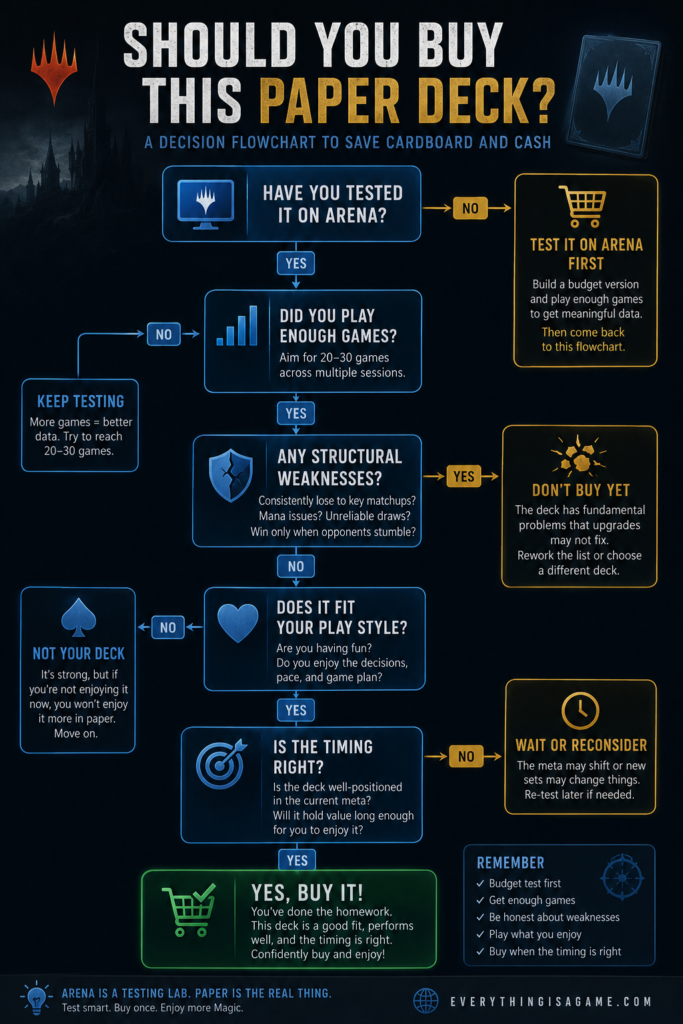
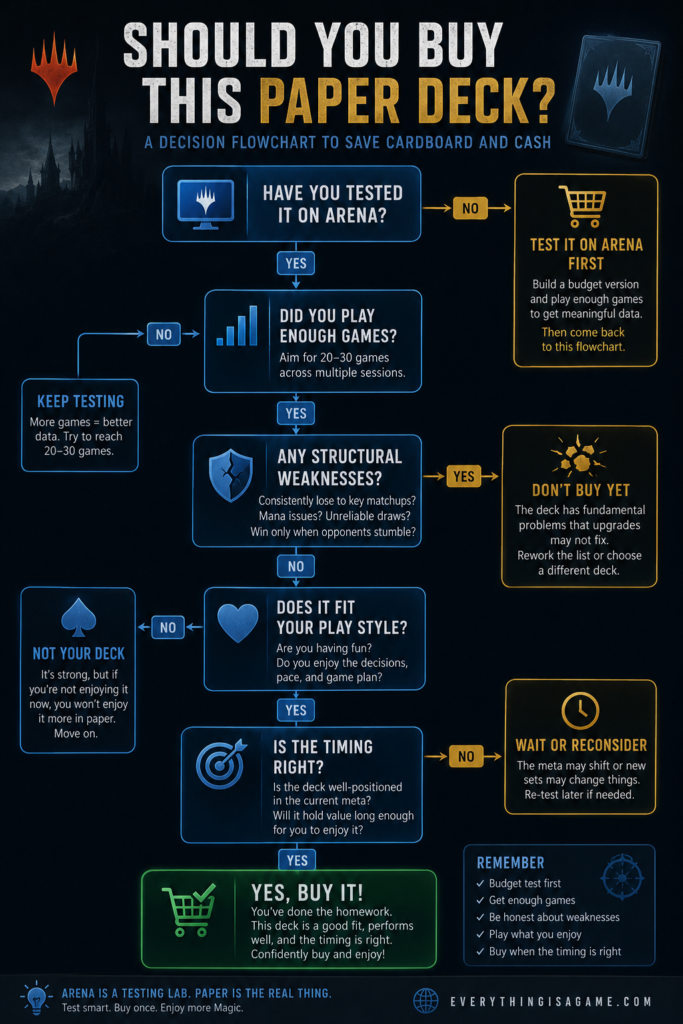
You’ve found a paper deck you’re excited about. Maybe it’s a Standard list you saw doing well in tournament coverage, a Commander precon you’re considering upgrading, or an archetype you’ve been meaning to build for months. The problem is that paper Magic is expensive, and buying into the wrong deck — one that doesn’t match your play style, falls apart against the local meta, or just isn’t as fun as it looked on paper — is a costly mistake.
MTG Arena changes the calculation significantly. For certain formats and certain goals, it functions as a genuine testing laboratory: a place to run dozens of games with a list before you commit a single pound or dollar to cardboard. But it’s not a perfect mirror, and understanding what it does and doesn’t replicate will save you from drawing the wrong conclusions.
This guide is for two audiences: Arena players thinking about making the jump to paper, and paper players who want to use Arena as a research tool. Both approaches work. Both have limits. Here’s exactly how to use each one well.
Why Arena Is Actually a Useful Testing Ground
The core advantage Arena offers is volume. Playing 20 to 30 games with a list in paper takes weeks of FNMs and casual nights. On Arena, you can hit that sample size in a few sessions from your sofa. That kind of repetition tells you things that three games at a kitchen table never could — whether your opening hands are consistently keepable, which matchups are genuinely bad versus just unlucky, and whether you actually enjoy the deck’s game plan.
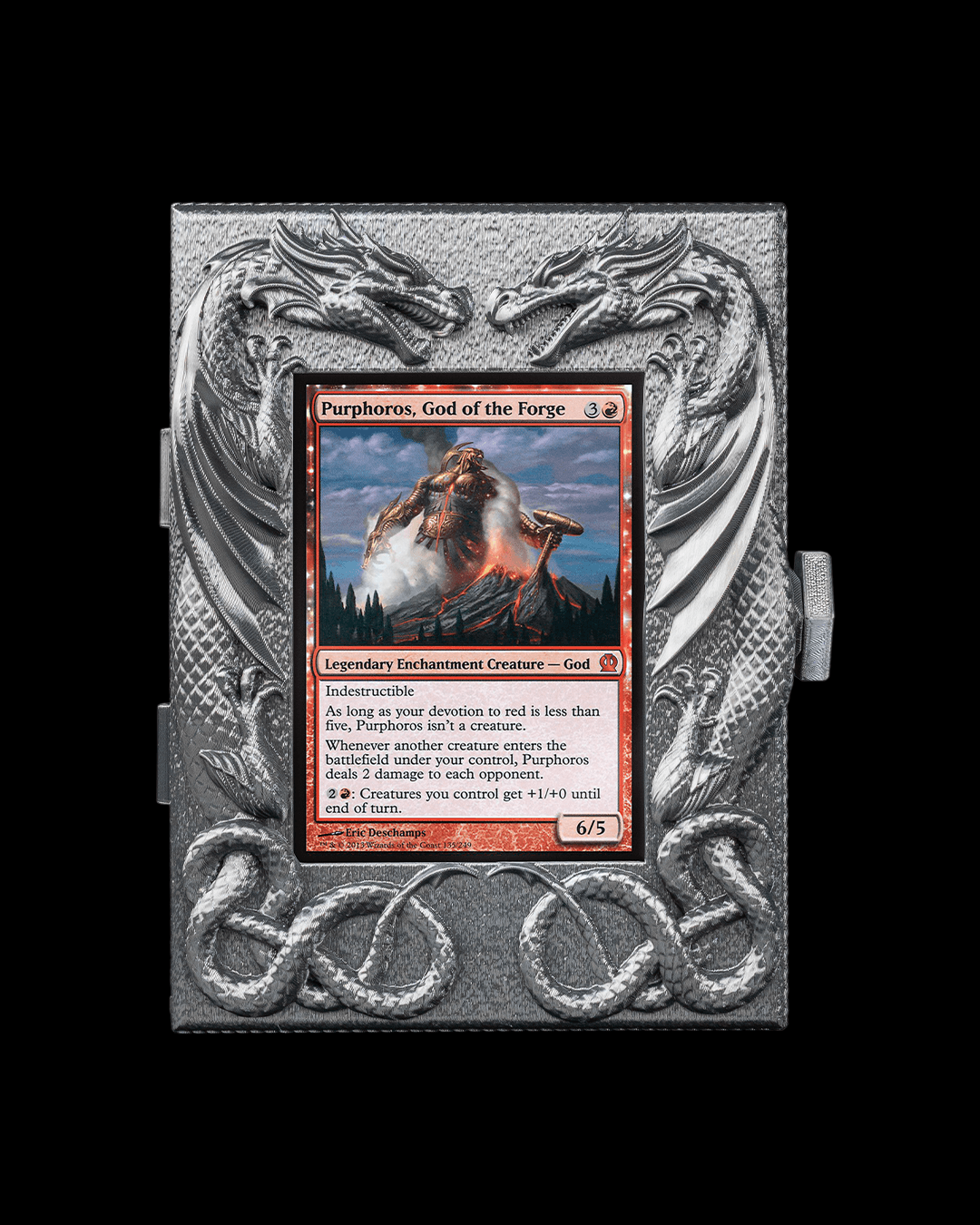
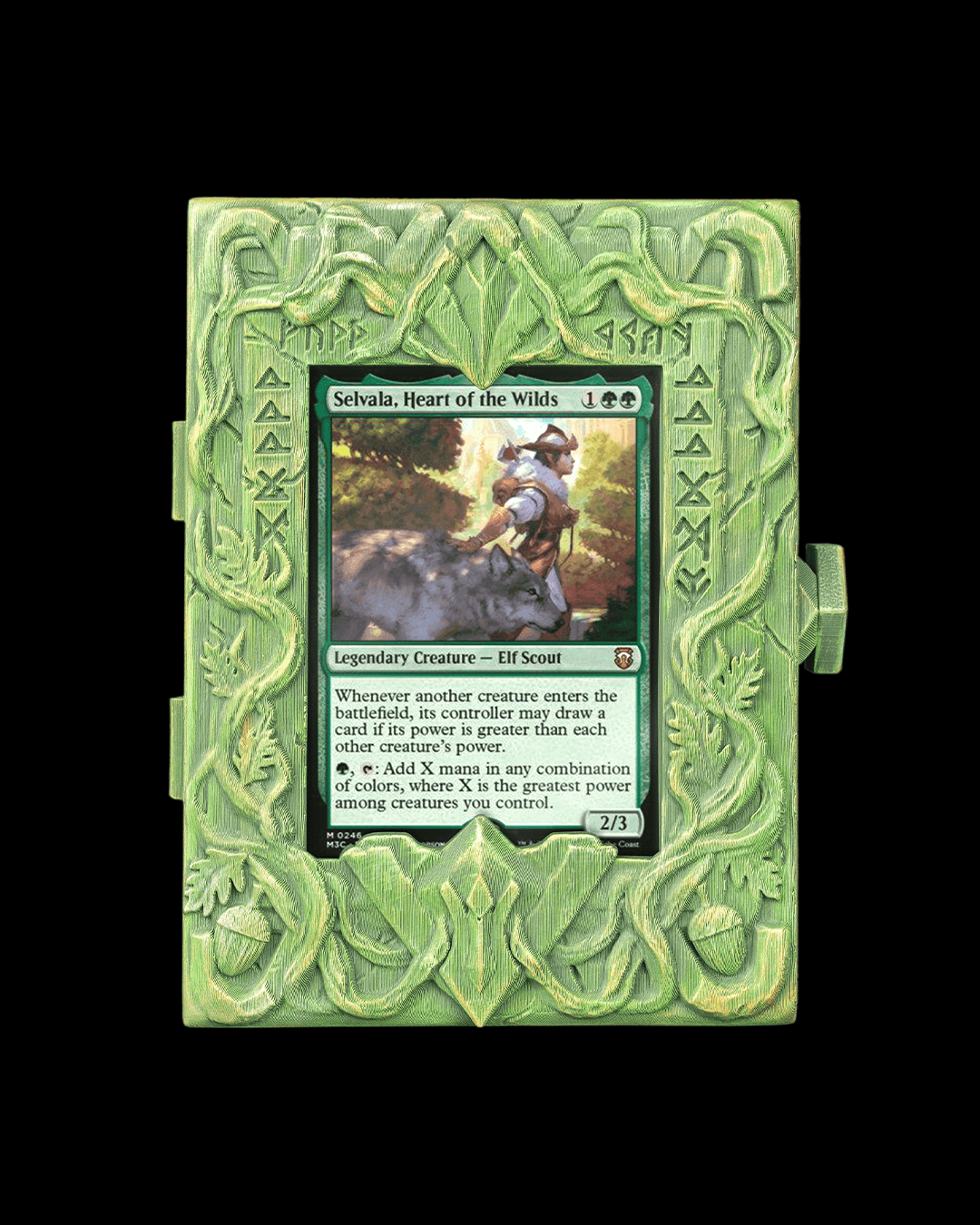
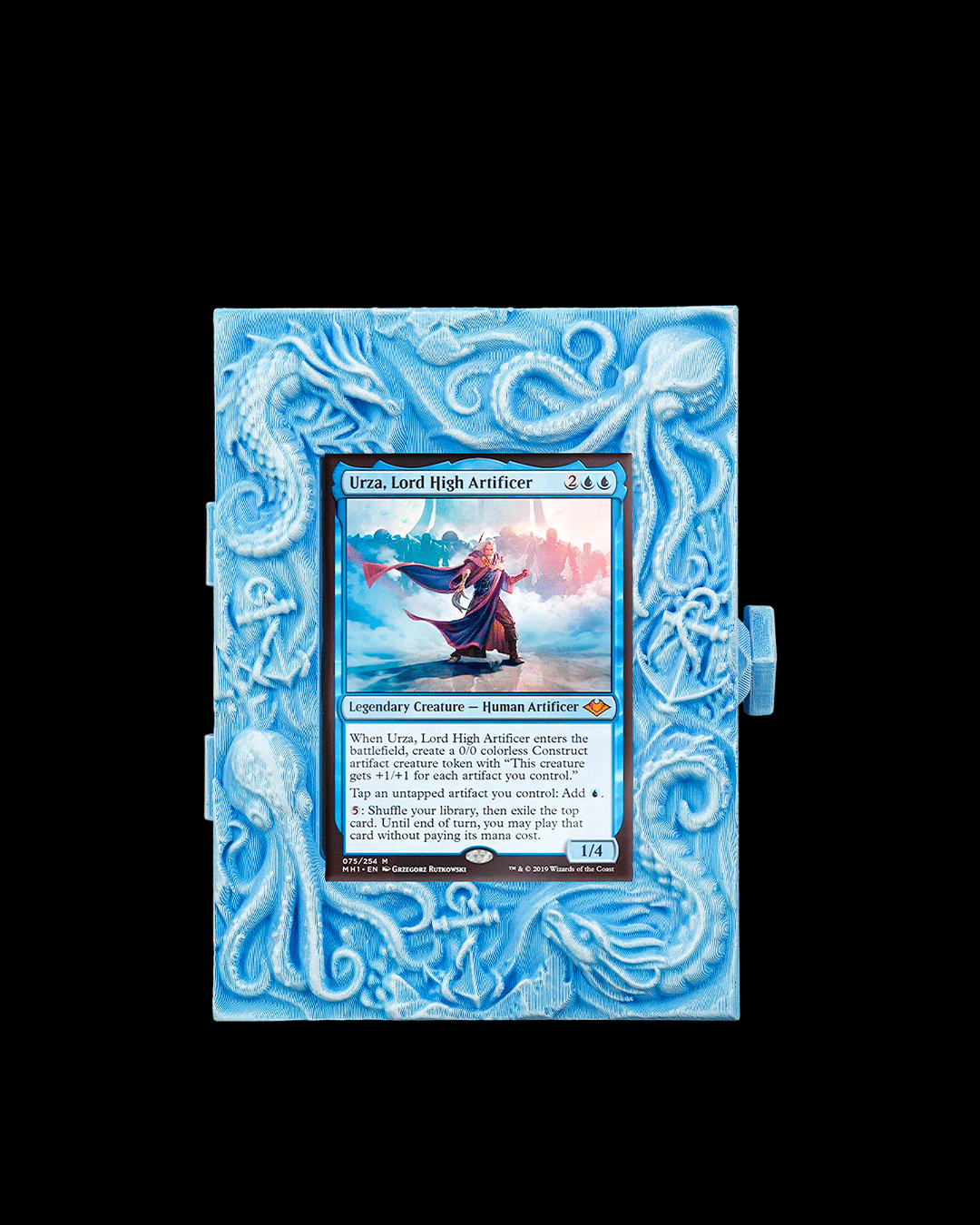
For Standard-legal decks, Arena’s ranked ladder is also a reasonably accurate reflection of what you’ll face in paper at local stores and online events. The same top archetypes show up. The same sideboard targets matter. If your deck consistently struggles against a specific strategy on Arena, it will probably face the same problem in paper.
Arena also enforces rules precisely, which turns out to be a real benefit. If your combo works on Arena, the timing is correct. If your interaction doesn’t fire the way you expected, the rules client is telling you something about how the card actually functions — not how you assumed it did. Players moving from Arena into paper often find this strict environment a gift, because it prevents them from developing bad habits around rules shortcuts.
Arena vs Paper
What MTG Arena Actually Simulates
✓ Translates Well
◑ Partially Translates
✗ Doesn’t Translate
Standard matchups
Meta decks, win rates, and matchup feel mirror paper closely
Commander via Brawl
Teaches your commander’s game plan — misses politics and card pool
Multiplayer dynamics
Table politics, kingmaking, and group feel don’t exist in 1v1 queues
Rules and timing
Strict rules enforcement catches errors you’d miss goldfishing
Physical logistics
Shuffling, trigger tracking, and turn pace are all automated away
Draft and Sealed skills
Evaluation, signalling, and build discipline carry directly to paper
Local meta quirks
Ladder shows broad meta — your LGS’s fringe brews won’t appear
Social dynamics
Body language, table talk, and physical tells are paper-only
Mana curve and sequencing
Curve discipline and play sequencing are near-identical in both
Alchemy card equivalents
Some digital-only cards have no paper version — need substitution
Full Commander card pool
Thousands of Commander staples aren’t on Arena at all
Sideboard strategy
Bo3 sideboard testing on Arena directly informs paper board plans
Play style fit
Good signal for whether you enjoy a deck — misses the tactile factor
Legacy and Vintage
These formats have no Arena equivalent — external tools needed
For formats Arena doesn’t cover, pair it with online playtesters like Moxfield or Archidekt, and use proxies to test at your table before committing to a purchase.
The Low-Cost Build-First Approach
One of the most practical advantages of Arena testing is that you can build budget-first and upgrade as you go. Our guide to 5 budget Standard decks for MTG Arena shows exactly how this works — you build a five-rare skeleton of a deck, run it enough to see whether the core plan is sound, and only invest wildcards in upgrades once the deck has proven itself. The same philosophy translates directly to paper decisions. If the budget version of a deck performs well and you’re enjoying it, that’s a strong signal to buy in. If it falls flat, you’ve saved yourself a lot of money.
Where Arena’s Limits Start to Show
Honesty here makes the whole guide more useful. Arena is not a complete simulation of paper Magic, and treating it like one leads to bad decisions.
The clearest gap is format coverage. Arena’s constructed focus is Standard, Alchemy, Explorer, and Historic. It does not support Modern, Legacy, Vintage, or full Commander — the four-player multiplayer version with the complete Commander card pool. If you’re planning to build Modern Jund or a highly tuned Commander deck for your local pod, Arena can only give you a partial picture.
The card pool also diverges. Some Arena cards, particularly Alchemy-only digital designs, don’t exist in paper. Some older paper staples never made it onto Arena. A Historic list that’s performing well may not be legal or viable in any paper format as written, so you’ll need to do translation work.
Finally, the social and physical dimensions of paper Magic simply don’t exist in Arena. The client automates shuffling, trigger management, and combat math — things you’ll handle manually in paper. It also removes table dynamics: body language, timing of reveals, the particular experience of playing a complicated turn in front of people. If you’re building a Commander deck to play with friends, Arena can’t tell you how that deck will feel at the table, because the table doesn’t exist there.
Building the Closest Arena Equivalent to a Paper Deck
The actual process of porting a paper deck into Arena — or vice versa — is more straightforward than it sounds.
Porting Paper Into Arena
Start by identifying the format match. If your paper deck is Standard-legal, you can usually import the list directly, minus any cards not yet on Arena. If you’re working with a Pioneer or Modern deck, find the closest Explorer or Historic shell that uses the same core cards and preserves the same game plan — a midrange deck should still be curving threats into disruption, a combo deck should still be assembling the same type of engine.
When you need to substitute cards, prioritise role over name. The replacement card should cost a similar amount of mana, fill the same function (removal, threat, draw engine), and slot into the same point in the curve. The specific card matters less than whether the deck’s plan stays intact. From there, follow the budget-first approach described above: build cheaply, prove the plan, upgrade what matters.
Porting Arena Into Paper
Export your Arena decklist and cross-reference it against Standard or Pioneer legality. Sites like MTGGoldfish and MTG Arena Zone make this fast. Strip out any digital-only or Alchemy cards and find paper-legal equivalents with similar text and function.
Pay particular attention to your mana base. Arena lists frequently lean on rare dual lands, and those can be genuinely expensive in paper. If you’re trying to reduce cost, look at cheaper alternatives that maintain colour consistency — you don’t need to replicate the Arena mana base exactly, you need the deck to function. Also review your sideboard before buying: take note of which sideboard cards actually did meaningful work during your testing sessions, and skip the narrow bullets that never came up in your matches.
What Arena Can and Can’t Simulate
What Translates Cleanly
For Standard and Alchemy, the translation is close to direct. Core skills — mana curve discipline, combat maths, sequencing decisions, resource management, sideboard strategy — carry over almost completely. If you’ve learned to navigate a specific matchup well on Arena, that knowledge applies at your local game store. Our guide to Bo1 vs Bo3 on MTG Arena covers how the format split affects your preparation, and the same applies when you move into paper.
Limited skills transfer particularly well. Draft and Sealed on Arena mirror the paper rules precisely, and the evaluation instincts you build there — reading signals, identifying when to go wide versus tall, knowing which cards to prioritise — apply directly to paper prereleases and Friday night drafts. If you’ve been working through our coverage of how to draft the Arena Cube, you’re building skills that will serve you at a physical draft table.
What Only Partially Translates
Commander is the complicated one. Arena’s closest equivalent is Brawl and Historic Brawl — singleton formats built around a commander-like card. These teach the fundamentals of commander-centric deck construction and help you understand what your commander wants to do. But they’re two-player, they have a narrower card pool, and they completely omit the political and social dimensions that make four-player Commander a different kind of game. Use Historic Brawl to learn your commander’s game plan, not to judge how the deck will perform in a full pod.
Older formats and highly tuned local metas are another partial-fit area. Arena’s Explorer format approximates Pioneer, and Historic can replicate certain Modern-adjacent strategies, but you won’t see every deck that your local meta might bring. Fringe players, brews, and the specific archetypes your regular opponents favour won’t show up in Arena’s ranked queues.
What Arena Can’t Do At All
Full four-player Commander. Table politics, kingmaking decisions, and the group dynamics that shape multiplayer games don’t exist in Arena’s 1v1 environment. If your central question is “will my Commander deck be fun at my weekly pod?”, Arena can help you assess the deck’s mechanical consistency, but it can’t tell you how it plays in that specific context.
Physical logistics are also invisible on Arena. The client handles shuffling, damage tracking, and trigger sequencing automatically. In paper, all of that is on you, and it affects how long your turns take and how easy your deck is to pilot at a real table. That gap is worth being aware of, especially if you’re moving from Arena to paper for the first time.
Reading Arena Results Like a Scientist
The goal is to treat Arena match data as useful information, not as a final verdict — and to recognise the difference between patterns and noise.
Sample Size Matters
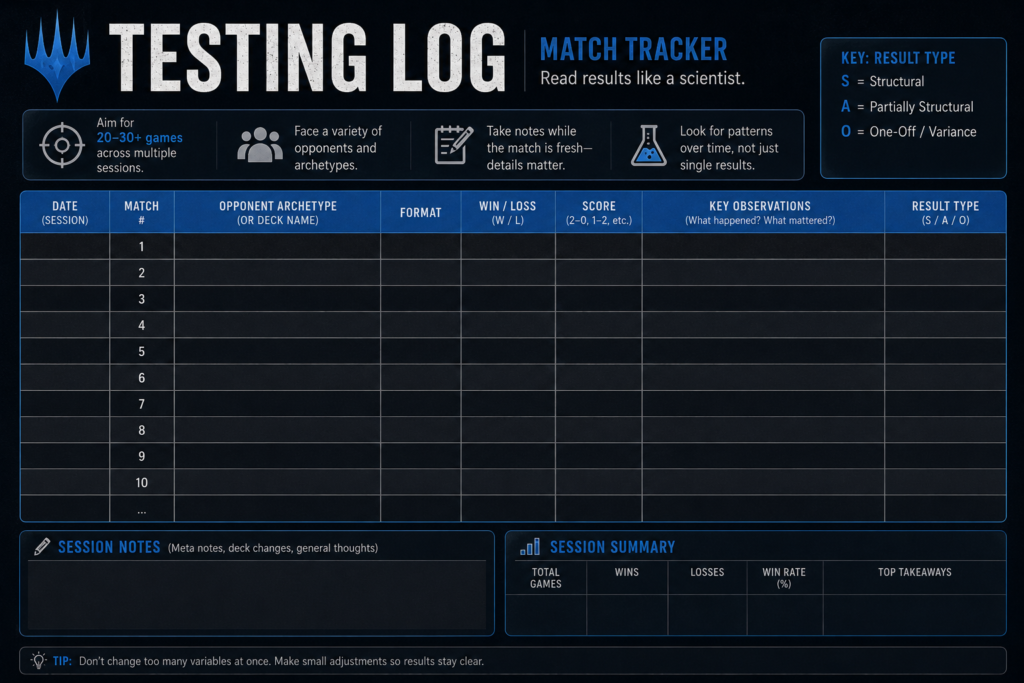
Don’t make a paper purchasing decision based on ten games. Twenty to thirty matches gives you enough data to start seeing patterns; fifty is more reliable. Keep basic records — which archetypes you’re facing, your approximate win-loss against each, and any specific scenarios where the deck performed particularly badly or well. You don’t need a spreadsheet, just a rough mental model of where the deck is consistent versus where it struggles.
Focus on Patterns, Not Outliers
If you consistently lose to fast aggro strategies, that’s a signal: your curve or removal suite may be misaligned. If long games against control archetypes feel unwinnable, you may be short on card advantage. These structural weaknesses are worth acting on before you buy. What you should ignore are outlier losses where your opponent made obvious errors, or games where you drew a wildly uncharacteristic opening hand — those aren’t data, they’re noise.
Our guide to upgrading your MTG Arena deck without wasting wildcards walks through a similar analytical process for identifying which cards are genuinely earning their slot versus which are theoretically strong but rarely impactful in practice. The same thinking applies when you’re deciding which cards in a paper list are worth buying.
Check Your Execution Before Changing the Deck
This is an easy thing to miss: sometimes the deck is fine and the pilot needs work. Arena can reveal misplays through replay tools and the auto-prompt system that sometimes catches options you didn’t notice. If you’re consistently missing lines, adjusting your play patterns is cheaper than rebuilding the deck. Fix the habit first, then evaluate the list.
When Arena Testing Should Change Your Mind About Buying
Sometimes Arena testing saves you money by telling you not to buy.
If the same structural weakness shows up game after game — the deck can’t beat a specific archetype, dies to one specific type of disruption, runs out of gas at the same point in the game — that’s a design flaw, not bad luck. A deck with a known losing pattern against popular archetypes will face the same problem in paper, and purchasing into it anyway is expensive optimism.
Play style fit matters at least as much as win rate. If piloting the deck feels like a chore, that feeling won’t improve when you move to cardboard. Testing guides consistently emphasise this point: you should prioritise how much you enjoy the game plan, not just whether you’re winning. Long-term, a deck you love playing will get more table time and more development than a theoretically optimal deck you don’t enjoy. Our coverage of control on MTG Arena touches on exactly this — control is a strong archetype, but it requires a specific mindset, and Arena is the perfect place to discover whether you actually have that patience before buying in.
Meta timing is the third factor. Arena’s metagame shifts regularly, especially after new set releases or balance changes. If a deck’s win rate drops sharply after a new set, consider delaying your paper purchase rather than buying into a list that may be temporarily or permanently worse. Check whether the decline looks structural or temporary before committing.
The flip side is equally true: sometimes Arena testing confirms a buy. If a deck consistently overperforms, fits your play style perfectly, and holds up across a variety of matchups, that’s as strong a green light as you’ll get without actually playing paper Magic.
Supplementary Tools: Beyond Arena
Arena doesn’t have a freeform testing mode for arbitrary lists, so it works best when combined with other tools for specific situations.
For Commander and formats Arena doesn’t fully support, deckbuilding platforms like Moxfield and Archidekt offer playtest modes that let you goldfish with any list, even one that’s not Arena-legal. SpellTable and Tabletop Simulator both support multiplayer remote testing, which gets you closer to the Commander table experience than Arena’s 1v1 queues can manage.
Proxies are worth mentioning here. Using clearly fake placeholder cards for testing purposes — in casual settings, not organised play — is a common and generally accepted practice in the paper Magic community. Proxying a paper deck and playing a few sessions before buying the real cards combines well with Arena data: if the deck performs well both digitally and with proxies at your table, that’s about as confident as you can be without full paper commitment.
A sensible workflow looks like this: design and iterate on Arena, use an online playtester for formats Arena doesn’t cover, proxy the finalists in paper, then buy once you’re satisfied. It takes a little more time upfront, but it prevents expensive mistakes.
Making the Jump: From Arena to Paper
If Arena testing has convinced you to buy in, the actual transition to paper is straightforward with a bit of planning.
Start by finding an LGS and checking what formats they support. Arena players are often best served by Standard nights or Draft events, since those translate most directly from their digital experience. Commander is the typical destination for players who want kitchen-table paper Magic — and if you’ve been playing Brawl on Arena, a preconstructed Commander deck is a natural first purchase. Our MTG Arena format guide covers the relationship between digital and paper formats in more detail, and is worth reading alongside this guide if you’re mapping your Arena experience to a paper destination.
On the purchasing question, you have three main options: preconstructed decks, buying singles, or building through Draft and Limited. Precons are ideal if you want to minimise overhead and get playing quickly — they’re the paper equivalent of Arena’s starter decks. Singles are the right move if you’re confident in your list and want to replicate your Arena deck as closely as possible. Limited play builds your collection while teaching fundamentals, and mirrors what you’ve been doing in Arena Draft queues.
Don’t forget the physical accessories. Arena handles shuffling, tokens, and life tracking automatically. In paper, you’ll need sleeves to protect your cards, a deck box for transport, a life pad or dice, and tokens for triggered abilities and counters. If you’re looking to pick up any of these, The Gambit Vault stocks gaming accessories and can be a useful first stop.
Putting It All Together
The smartest use of Arena as a paper testing tool combines a few principles: build the Arena equivalent of your target deck, run enough games to see patterns rather than individual results, assess whether the weaknesses are structural or fixable, and confirm that you actually enjoy playing the deck before you spend money on it.
Arena isn’t a replacement for paper Magic. It can’t give you the full Commander experience, the tactile feel of playing with real cards, or the social dynamics of your local table. But for Standard and Explorer-range decks, it’s one of the best testing tools available — and using it systematically before you buy is simply a smarter approach than buying first and hoping for the best.
If you’re in the middle of building an Arena collection to fund your testing, our MTG Arena free-to-play progression guides and budget deck guides will help you get there efficiently. And if you’re just starting to explore what Arena’s format options actually look like before you commit to a testing strategy, our overview of which format to play in 2026 is a useful starting point.
Which direction are you approaching this from — Arena player going into paper, or paper player using Arena as a lab? Let us know in the comments, and if there’s a specific format or deck type you’re trying to test, we’d love to help you work through the approach.
Continue Your Journey
- Bo1 vs Bo3 on MTG Arena: How the Format You Choose Changes Everything — understand which testing format gives you the most useful data
- From Budget to Meta: How to Upgrade Your MTG Arena Deck Without Wasting Wildcards — the analytical approach to knowing which cards are earning their slot
- 5 Budget Standard Decks for MTG Arena — build a testing skeleton without spending real money
- MTG Arena in 2026: Which Format Should You Actually Be Playing? — map your Arena experience to a paper destination
- Control on MTG Arena: How to Actually Win with Control Decks — test whether control is actually the archetype for you before buying in
Want more guides on navigating the Arena-to-paper path? Subscribe to our newsletter for strategy content, deck breakdowns, and buying guides delivered straight to your inbox.