
As an Amazon Associate I earn from qualifying purchases and sometimes recommend products from other sellers at no extra cost you. For more details see my disclosure policy and privacy policy.
You’re two rounds into your session of Arkham Horror. The Ancient One’s doom track is ticking closer to the edge, half the investigators are on the brink of losing their minds, and nobody can agree on whether to close the gate in Arkham or race to Dunwich before things get worse. The board itself feels like it’s working against you. That’s exactly the point.
Horror board games are built differently from other co-ops. The goal isn’t just to win — it’s to make winning feel genuinely uncertain, where every group decision carries weight and the wrong call can cascade into something unmanageable. Understanding why these games create that pressure, and how to play well inside it, changes the entire experience.
| Core tension mechanic | Escalating threat tracks, resource scarcity, hidden information |
| Primary co-op challenge | Avoiding alpha player dominance without losing coordination |
| Key strategy principle | Survive together without turning into one person’s chess game |
| Games covered | Arkham Horror, Arkham Horror: The Card Game, Spirit Island, The Night Cage |
Why Horror Games Create a Different Kind of Fear
Most strategy games give you imperfect information about opponents — you’re working out what they might do, planning around possibilities. Horror co-ops flip that structure. Your enemies are the game system itself, and the system is usually designed to punish you for standing still.
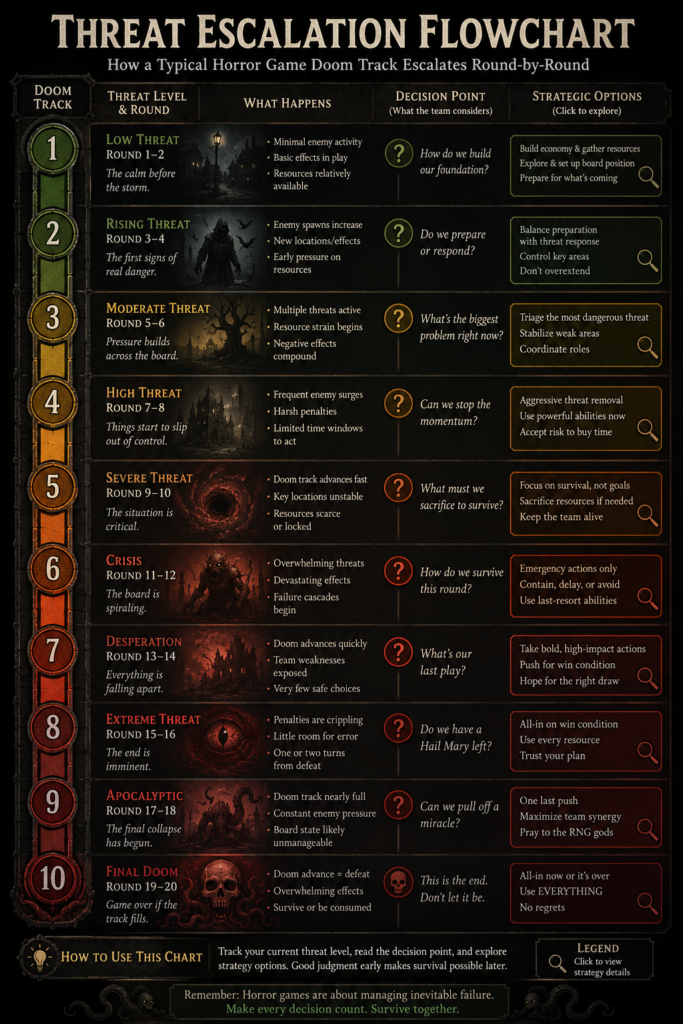
The fear in horror board games rarely comes from thematic shock. It comes from resource anxiety — the moment you realise you don’t have enough actions, enough cards, or enough sanity to deal with what’s already on the board, let alone what’s arriving next round. Games like Arkham Horror stack multiple escalating systems on top of each other: location effects, monster surges, mythos cards, and character conditions. Any one of them is manageable. All of them simultaneously creates genuine pressure.
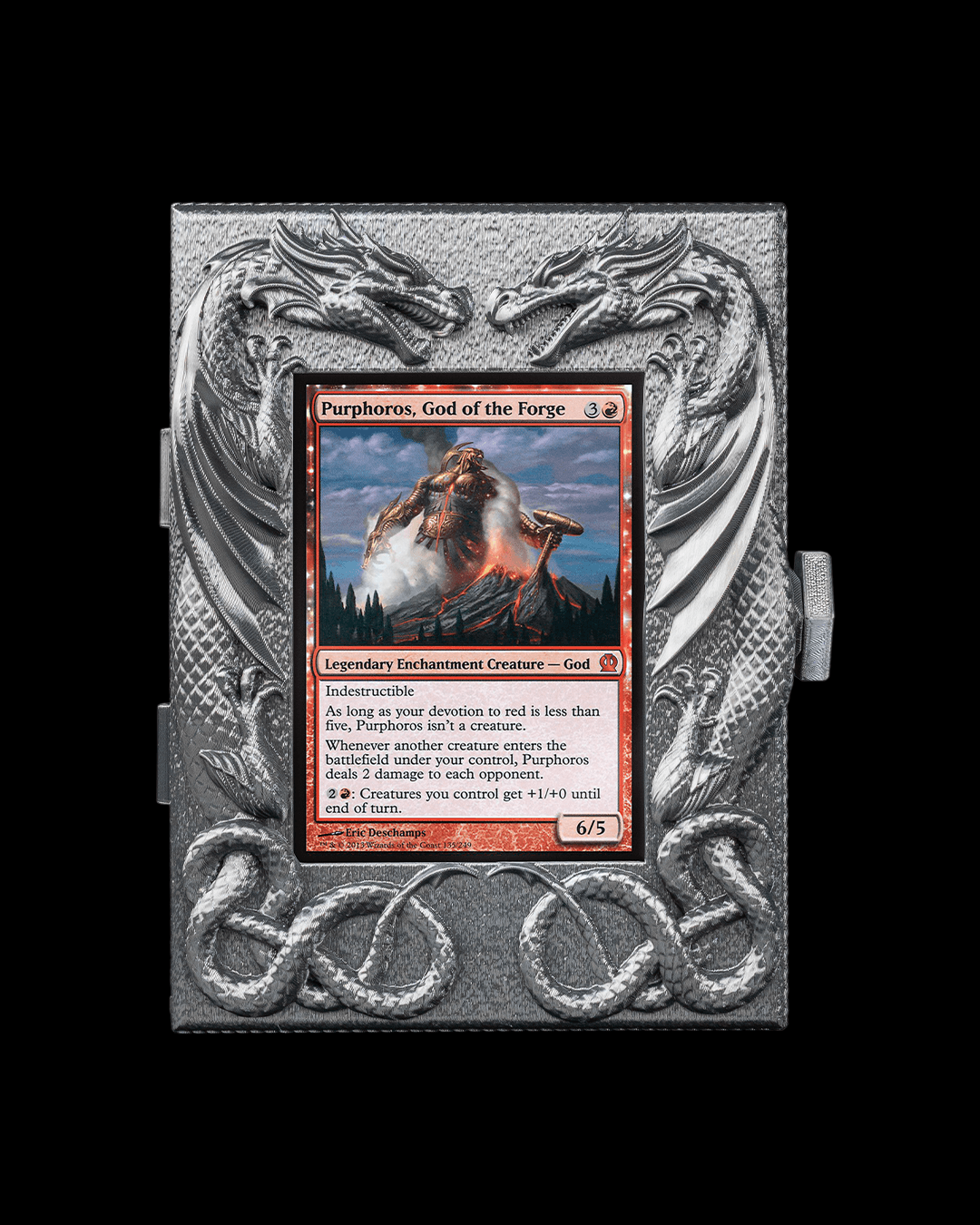
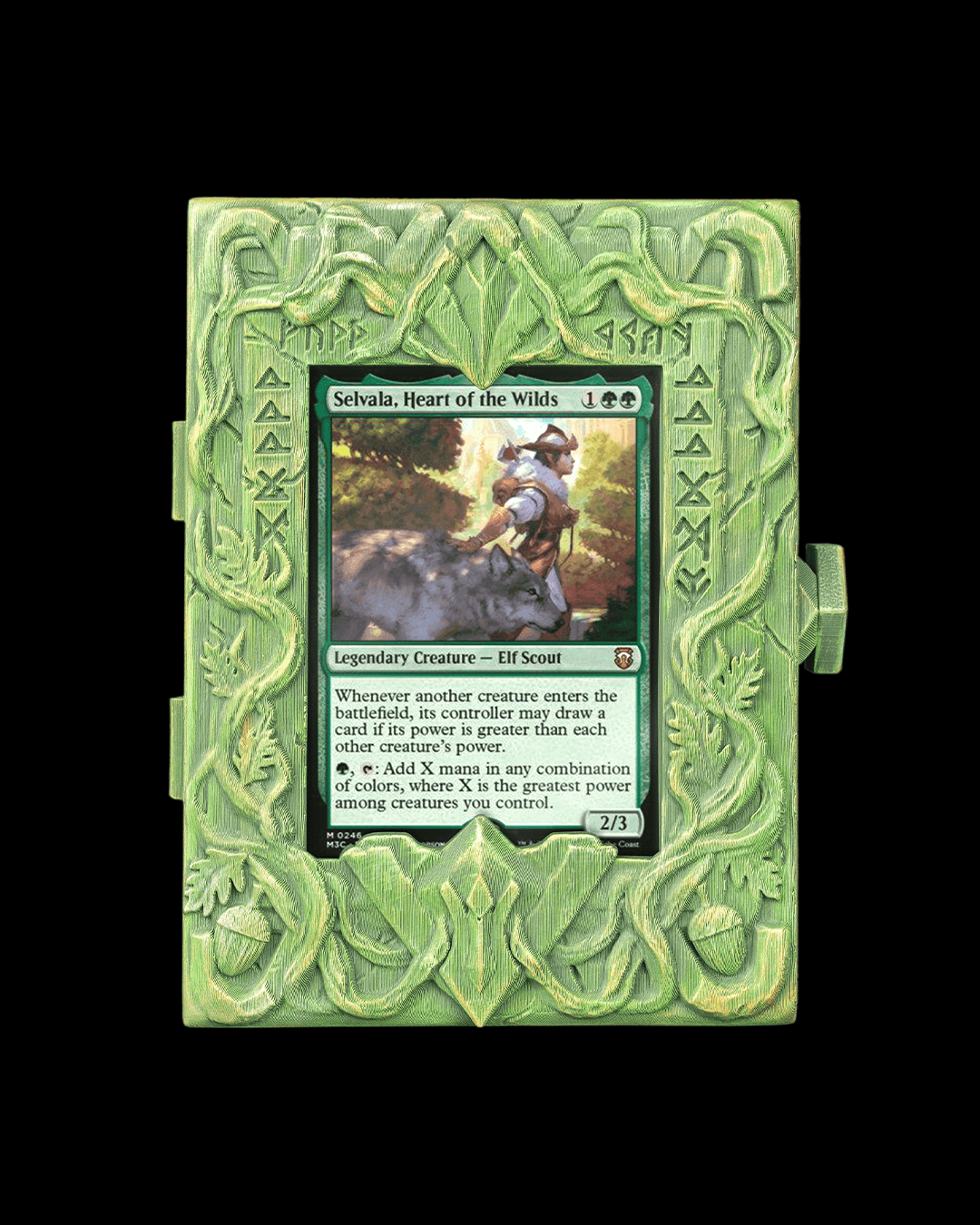
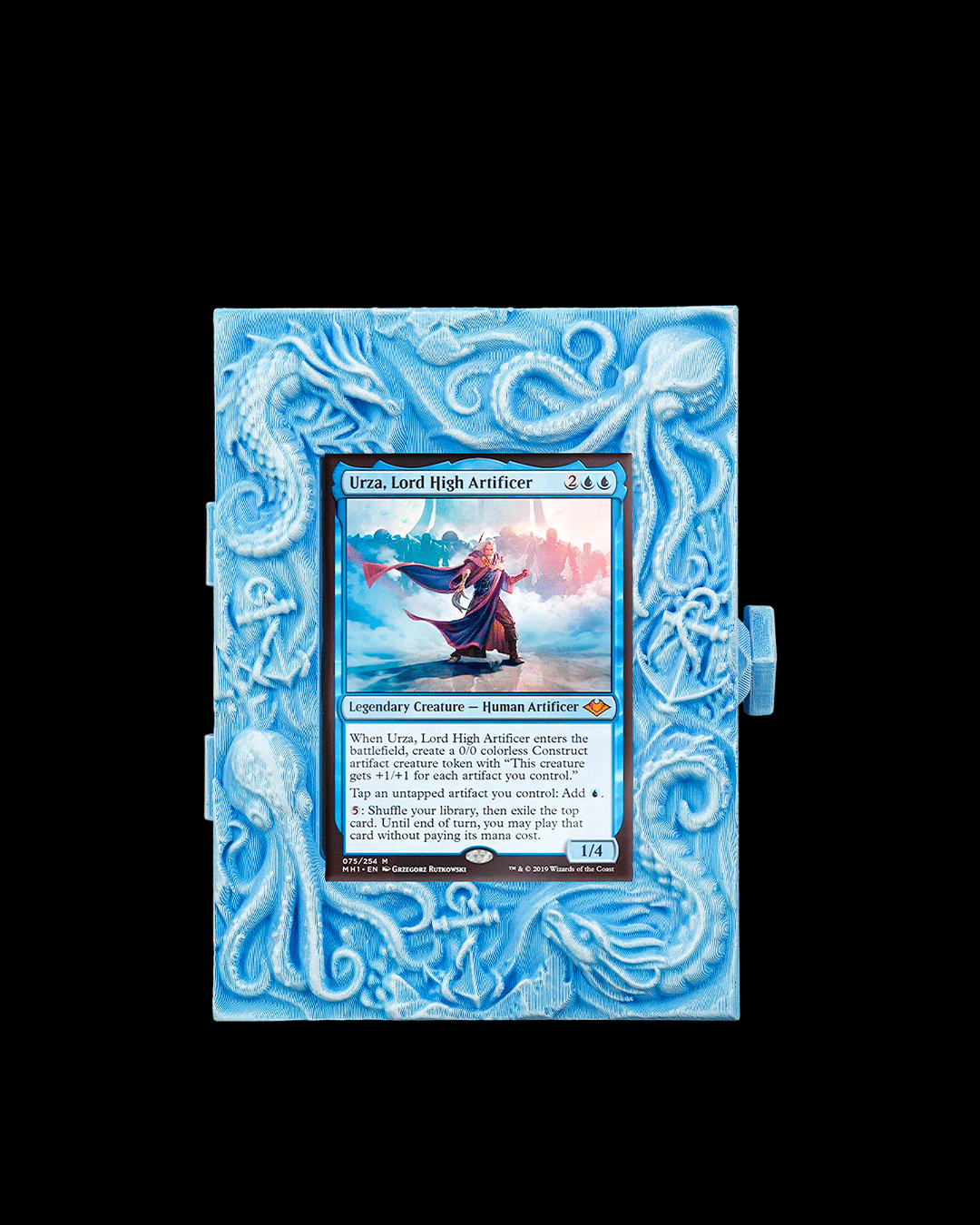
That systemic pressure is the design intent. Horror games are trying to recreate a specific emotional state: the feeling of shared vulnerability under mounting threat. When the game succeeds at this, it means your cooperation has to be real and your strategy has to account for failure modes, not just optimal outcomes.
The Alpha Player Problem Is Worse in Horror Games
In competitive games, one player dominating decision-making affects their own score. In a co-op, one player directing everyone else’s moves — the classic alpha player problem — collapses the entire experience. This is especially corrosive in horror games, where the atmosphere depends on every player feeling the weight of their choices.
Are You the Alpha Player?
5 questions · 2 minutes · find out how your co-op group really sees you
An alpha player doesn't always emerge because one person is selfish. It happens because horror games are hard, and anxiety pushes people toward certainty. When the doom track is halfway up and someone at the table has a clear plan, it's tempting to defer. The problem is that deferring removes your investment. If you're executing someone else's plan, you're not really playing — you're watching.
The strongest horror game sessions are ones where every player understands the board state well enough to make their own calls, even when those calls are messy or suboptimal. A collectively made mistake is more interesting than a perfect plan executed by one person. That said, good horror strategy does require coordination — the challenge is coordinating without centralising.
Resource Scarcity as Strategic Pressure
Horror games almost universally run players short on resources. Clues, supplies, sanity, health, action economy — the design philosophy is to give you less than you need and make you prioritise. Understanding how to work within that scarcity, rather than against it, is the most important strategic shift for players coming from heavier euro games.
In a typical engine-building game, you optimise your own resources to generate the most output. In a horror co-op, you're managing a shared pool of capacity against a threat that doesn't care about your efficiency. That means resource decisions are almost always comparative: is it better for me to gather clues this turn, or better for the team if I move toward the monster before it activates?
Triage Is More Valuable Than Efficiency
The strongest horror game players learn to think in terms of triage rather than optimisation. Triage asks: what is the most dangerous thing that could happen if nobody deals with it? Optimisation asks: what gives me the best output this turn? These questions often have different answers, and in horror games, triage wins almost every time.
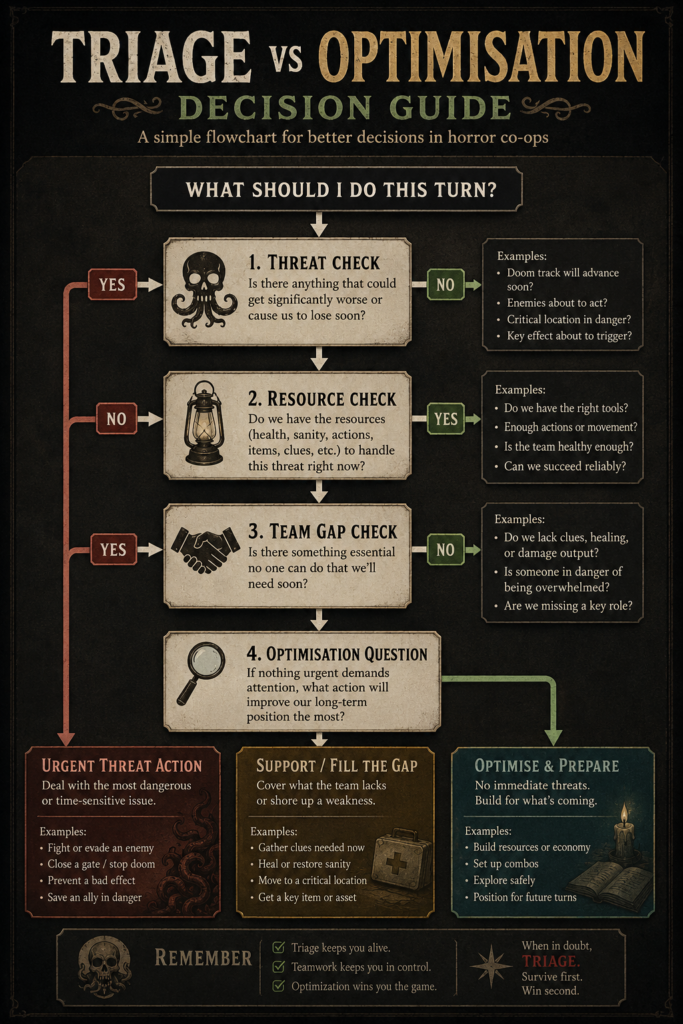
In Arkham Horror, the classic triage failure is investigators spending turns gathering resources or improving their characters while gate spawns pile up. The board reaches a cascading state that becomes unmanageable because nobody addressed the growing threat directly. The efficient individual action was useless in context.
The Eldritch Horror ruleset applies this same logic across a global board — location threats compound rapidly if the team doesn't move aggressively to contain them, and attempting to optimise individual investigators while the board deteriorates is one of the most common loss patterns.
Plan for the Card You Don't Have
Horror games frequently include mechanisms that punish players who play to their best case. In Arkham Horror: The Card Game, scenario effects can strip cards from your hand, exhaust your assets at the wrong moment, or force tests you're not built for. In The Night Cage, the maze tiles shifting beneath players' feet means that the route you planned two moves ago may not exist anymore.
The practical strategy is to always hold at least one emergency option in reserve. Don't commit every action to your primary plan — keep something back for when the game throws something unexpected at your current position. This feels inefficient in the moment and often is. It feels smart when the mythos phase activates an effect that would have destroyed a fully committed player.
Cooperation Without Quarterbacking
The distinction between good coordination and quarterbacking comes down to who owns the decision. In coordinated play, players share information and make their own calls informed by that information. In quarterbacking, one player tells others what to do and the others follow. These can look similar from the outside but feel completely different to the people playing.
Cooperative strategy games work best when communication is structured around options rather than instructions. "I'm thinking about closing the gate in Arkham — does anyone have a reason I should go elsewhere instead?" preserves everyone's agency. "You need to go to Arkham and close that gate" does not.
Horror Co-op Games: Head-to-Head
Comparing the four games most worth your time if you play cooperative horror.
| Game | Players | Complexity | Comm. restrictions | Threat escalation | Solo playable | Alpha player resistance |
|---|---|---|---|---|---|---|
| Arkham Horror | 1–6 |
|
Open | Doom track + gate surges | Yes (2 investigators) |
|
| Arkham Horror: The Card Game | 1–4 |
|
Open | Doom + agenda deck | Yes (core design) |
|
| Spirit Island | 1–4 |
|
Open | Invader phase per round | Yes (1–2 Spirits) |
|
| The Night Cage | 1–5 |
|
Optional silence rule | Shifting maze + predators | Yes |
|
Complexity rated 1–5. Alpha player resistance rated 1–5 (higher = harder for one player to run the table). Complexity pip Alpha resistance pip
Spirit Island's Anti-Alpha Design
Spirit Island is one of the most instructive examples of cooperative design that actively resists alpha player dominance. Each Spirit operates with a distinct power set, presence placement system, and invader interaction style. The game is intentionally complex enough that no single player can hold the full state of another Spirit in their head while also managing their own.
The Spirit Island strategy guide covers this in depth, but the key point for horror strategy discussion is that Spirit Island creates coordination requirements that can't be satisfied by one person directing others. The Fast/Slow phase split means players must declare intent simultaneously, which forces each player to understand their own Spirit's role rather than waiting for instructions.
This is excellent horror design because it creates genuine shared vulnerability — you can't fully control the board, and that lack of control is thematically and mechanically coherent.
When to Limit Communication
The Night Cage includes an optional rule that restricts in-game communication between players. This might sound like it would make an already difficult game harder, and it does — but it also significantly reduces the alpha player problem and heightens the horror atmosphere. Players moving through an ever-shifting dark maze, unable to fully coordinate, creates isolation and uncertainty that is the closest a board game gets to actual fear.
Even without formal communication limits, horror games benefit from restraint. Resist the urge to narrate your every decision or to check in with the group before each action. Let players make their own calls. The moments where a player makes a decision in isolation that turns out to be exactly right — or catastrophically wrong — generate more memorable play than any perfectly coordinated group plan.
Escalating Threats and the Mid-Game Pivot
Most horror games have a structure that feels manageable early, tightens significantly in the middle, and becomes a race at the end. Understanding when you're in each phase changes your strategic priorities dramatically.
Early game, the instinct is often to build up: gather resources, position investigators, improve your hand before engaging with threats. This is usually correct, but horror games punish teams who build too long. The threat escalation is almost always designed to outpace late-starting counterplay.
The mid-game pivot is the moment when the team must shift from building to containing. In Arkham Horror, this is typically when the gate count passes a threshold where managing them one-by-one becomes impractical — you need to seal gates, not just close them. In Arkham Horror: The Card Game campaigns, it's when scenario effects start stacking in ways that individual investigators can't absorb alone.
Reading the Threat Ahead of Time
Strong horror players watch the escalation mechanism constantly, not just when it activates. In a game using a doom track, you're always counting: how many rounds do we have at current threat pace, and does that match our projected ability to close/seal/remove the threat source? If the numbers don't add up, it's better to know three rounds early than one round too late.
This kind of threat projection is different from standard competitive strategy, where you're mostly responding to what opponents do. In horror co-ops, the threat is deterministic enough to project. You can see the encounter deck, read the mythos cards that have cycled, and estimate what's coming. Good teams use this information actively rather than reacting to each activation as a surprise.
For players who enjoy this kind of threat management under pressure, zombie survival board games operate on similar principles — the horde mechanics create exactly this escalating pressure that rewards projection over pure reaction.
Hidden Information and Individual Roles
Many horror co-ops use hidden information, either in the form of concealed game effects or in the form of each player having different information about the board state. This is strategic design that serves both mechanical and atmospheric purposes.
Mechanically, hidden information prevents the alpha player problem at a structural level. You can't direct someone else's actions if you don't know what they know. Atmospherically, it creates isolation — you're cooperating with people who have partial pictures of the same threat, which is more frightening than transparent collective analysis.
In Arkham Horror: The Card Game, each investigator draws from their own deck, manages their own hand, and has different assets and skills available. Another player cannot fully optimise your turn because they don't have complete information about your options. This forces each player into genuine ownership of their own decisions.
The bluffing and hidden information guide explores how concealed information changes decision-making in competitive games, but in cooperative horror, the same principle applies differently: you're not hiding information from opponents, you're managing incomplete information within your own team. The strategy is learning to communicate what matters without overloading each other with everything you know.
Roleplay as Strategic Positioning
In investigator-based horror games, the flavour of each character often reflects genuine mechanical differentiation. A fighter-type character in Arkham Horror isn't just aesthetically different — their stat distribution means they genuinely should be handling physical threats while a mystic type handles arcane effects. Playing to your character's strengths isn't just enjoyable, it's the most effective cooperative positioning.
Where this gets interesting strategically is in the gaps. When the team's skill set doesn't cover something the scenario requires, those gaps become the most important conversations in cooperative play. Teams that identify their coverage gaps early and plan around them win significantly more often than teams that discover them at the worst possible moment.
Putting It Together: Surviving Without a Single Commander
Good horror strategy looks like this: each player understands the board state well enough to make independent decisions, communicates what they're planning without dictating others' moves, prioritises containing threats over optimising their own position, and holds something back for the turn when the game surprises them.
The teams that consistently win horror games aren't the ones with the most optimal individual builds or the tightest communication protocols. They're the ones where every player is genuinely invested in the outcome — where each action feels like it carries real stakes because each player chose it themselves.
That shared vulnerability, everyone uncertain, everyone responsible, is what horror games are actually designed to create. When you play well inside that design rather than trying to engineer certainty out of it, these games become something that genuinely hard to replicate in any other format.
If you're looking for an entry point into horror cooperative play, the scariest board games list covers games across difficulty and experience levels, from atmospheric introductions to full Arkham system games. And if you want to test your solo horror chops, single player board games includes several horror-adjacent solo experiences that develop exactly the threat-projection and resource triage skills covered here.
Continue Your Journey
Cooperative Strategy Games: The Best of the Genre — A full breakdown of the best cooperative games across themes and complexity levels, with strategy notes for each.
Spirit Island Strategy Guide — Deep tactics for one of the most strategically demanding co-ops ever made, including Spirit pairing recommendations and scenario approaches.
Eldritch Horror: Board Game Rules and Strategy — Everything you need to know about setup, the mythos phase, and how to approach the game's escalating threat system.
The Scariest Board Games — Ranked and reviewed, from atmospheric gateway games to full horror experiences.
Best Halloween Board Games — Seasonal picks spanning horror, mystery, and thematic games worth playing any time of year.
Which part of cooperative horror games do you find hardest to get right — preventing one player from taking over, or managing the escalating threats before they spiral? Let us know in the comments below.
Want more strategy content for complex games? Subscribe to the Everything Is A Game newsletter for new guides, game analysis, and recommendations every week.