
As an Amazon Associate I earn from qualifying purchases and sometimes recommend products from other sellers at no extra cost you. For more details see my disclosure policy and privacy policy.
If you play paper Commander, the shape of Historic Brawl will feel instantly familiar. One legendary creature or planeswalker anchors your deck as the commander, you build 99 more cards in its colour identity, and every card in the deck (bar basic lands) is a singleton.
That’s where the resemblance to your kitchen-table pod ends, though. Historic Brawl runs on Arena’s Historic card pool rather than the entire history of paper Magic, and Wizards has built it as a 1v1 format by default rather than a multiplayer one. A ranked Brawl queue launched on Arena in June 2026, which tells you Wizards is treating the format as more than a side mode this year.
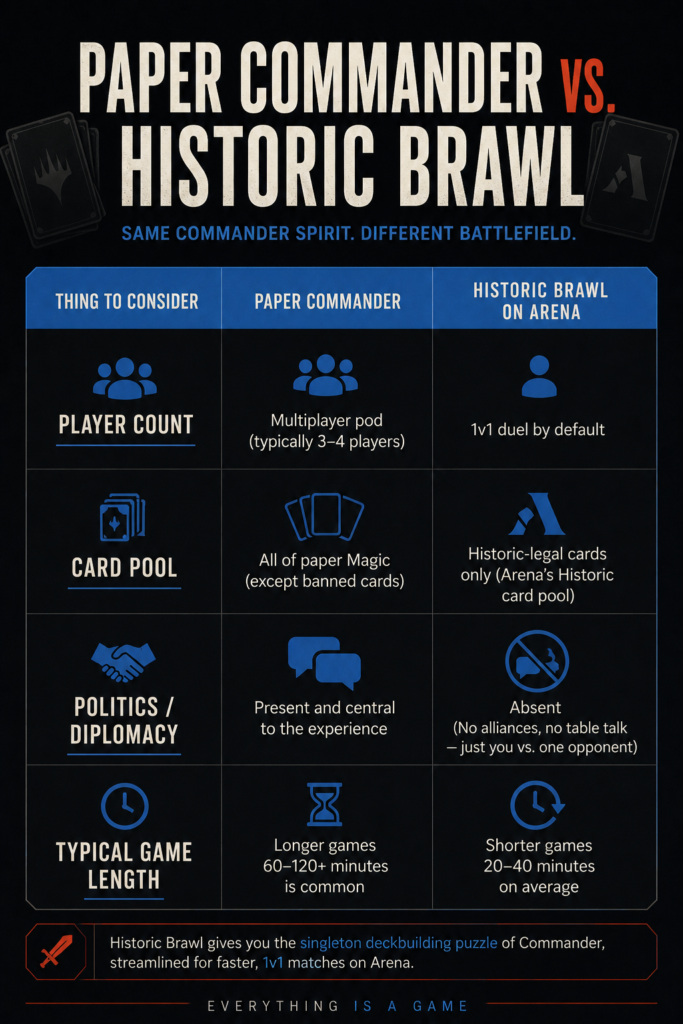
⚔️ How It Differs From Paper Commander
The biggest adjustment for paper players is the player count. Commander at your table is built around three or four players, political alliances, and the slow burn of a pod figuring out who the real threat is. Historic Brawl strips that away and hands you a straight 1v1 duel.
That changes deckbuilding priorities more than people expect. Politics, diplomacy, and “the person in last place gets a pass” dynamics don’t exist here. Every game is a direct race or grind against a single opponent, so cards that only shine in multiplayer (group hug effects, mass punisher pieces, anything that needs three enemies to be good) tend to underperform.
🎴 Card Pool and Ban List Differences
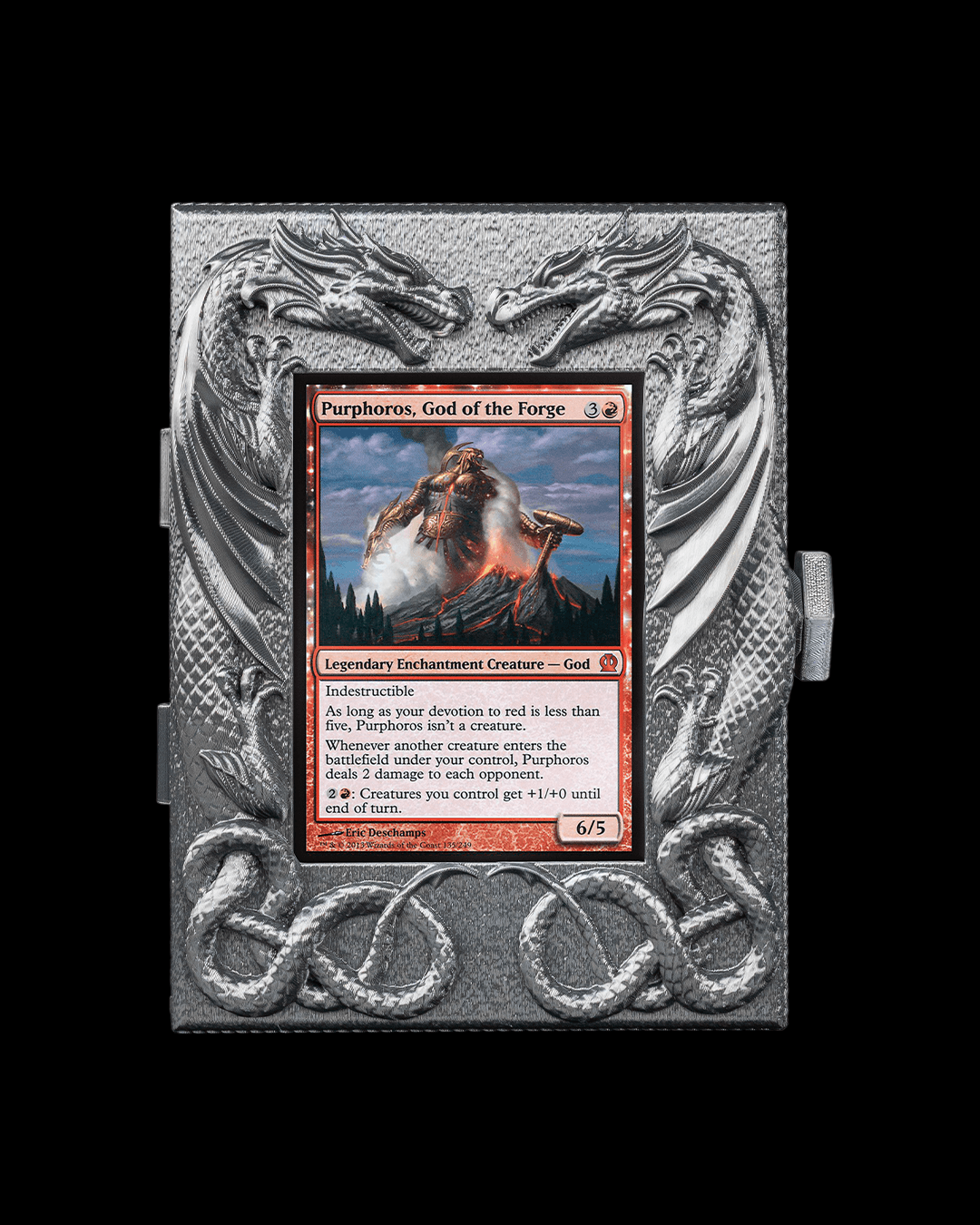
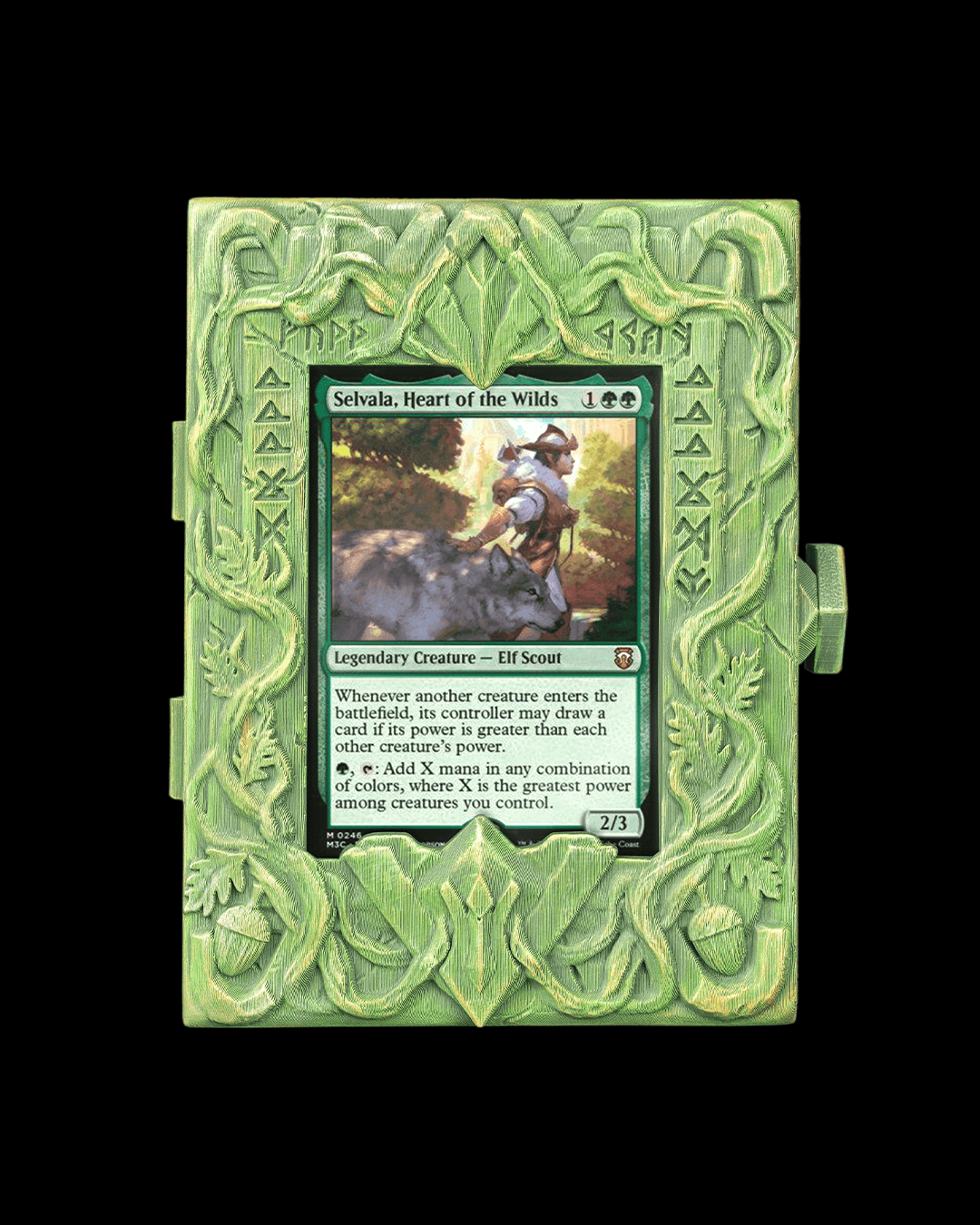
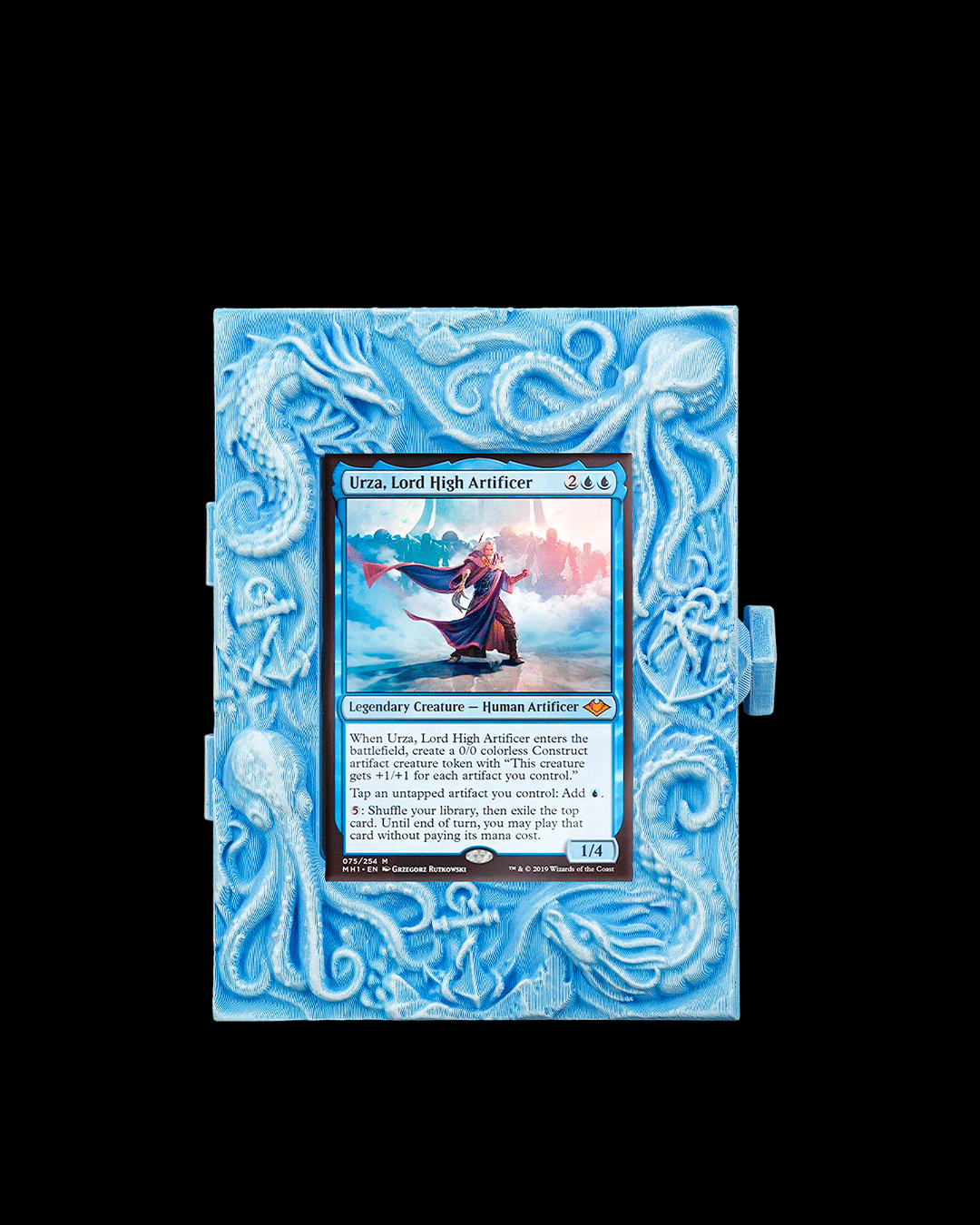
Because Historic Brawl draws from Arena’s Historic pool instead of all of paper Magic, plenty of beloved paper Commander staples simply aren’t available. You won’t find every legendary creature ever printed, and some colour identities are noticeably thinner on Arena than they are in a well-stocked paper collection.
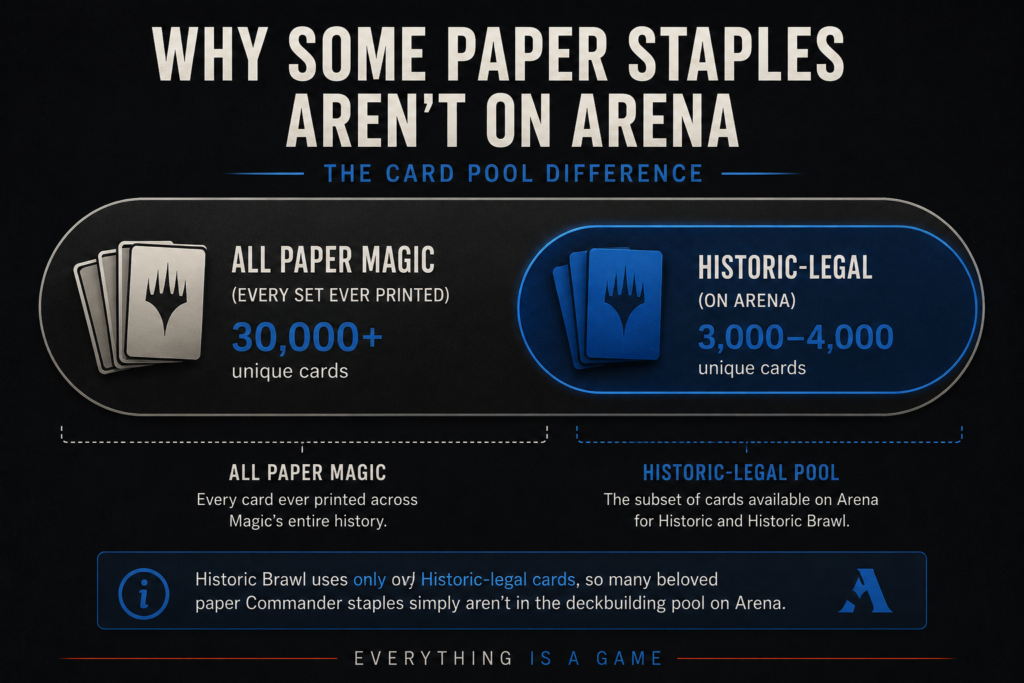
Wizards also maintains a separate banned list for Brawl formats on Arena, and it gets revisited periodically as the format’s metagame develops. Rather than repeat specific banned cards here, since they shift and are easy to get wrong the moment a new update ships, check Wizards’ official Brawl announcements or a live tracker before you lock in a commander, especially if you’re building around something powerful.
🧠 Translating Paper Deckbuilding Logic to Arena
Good news: most of what makes a strong Commander deck in paper still applies here. Card advantage, a coherent gameplan, and a mana base that actually supports your colours all matter just as much on Arena. If you’ve never built a singleton deck before, our Commander Deckbuilding 101 guide covers the fundamentals that carry over directly.
What changes is the pacing. A 1v1 singleton deck needs a plan that can close a game against one opponent rather than survive three, so interaction and a clear win condition matter more than they might in a four-player pod where you can hide behind someone else’s board state for a few turns.
🚀 Getting Started: Wildcards, Deck Import, and Where to Find It
Historic Brawl lives in Arena’s format selector alongside Standard, Historic, and the rest of the client’s constructed modes. Building a deck from scratch costs wildcards like any other Historic deck, so it helps to have a plan before you start crafting rares and mythics.
If wildcards are tight, our guide on upgrading your Arena deck without wasting wildcards is worth a read before you commit resources to a Historic Brawl build specifically.
A few practical notes for getting set up:
- You can import a decklist directly if you’ve already sketched one out on paper or in a deckbuilding app
- Basic lands are free to craft, so budget your wildcards around your commander and key spells
- The client will flag illegal cards automatically if something in your list isn’t Historic Brawl legal
🎯 Who Historic Brawl Actually Suits
Historic Brawl is a genuinely good fit for a specific kind of player rather than everyone who loves Commander. It suits people who want the singleton deckbuilding puzzle without organizing a pod, players testing paper deck ideas before committing real cardboard and money to them, and anyone who wants faster games than a typical four-player Commander night allows.
If you’re building a physical Commander deck alongside your Arena experiments, a decent binder makes it much easier to keep the paper side organised while you playtest ideas digitally first.
It’s a weaker fit if what you love about Commander is specifically the multiplayer table talk and politics, since that entire layer of the format simply isn’t part of the 1v1 experience. Go in expecting Commander’s deckbuilding DNA in a different chassis, not a paper-Commander simulator, and Historic Brawl is a genuinely rewarding way to spend time on Arena.
Have you tried Historic Brawl yet, or are you still deciding whether it’s worth the wildcards? Let us know what you’re building.